Iran's new nuclear understanding is moving quickly from diplomatic language to the harder question of inspection access. The International Atomic Energy Agency says monitoring will happen, while Tehran is signaling that the timing and form of access must fit the terms of the new deal.
The dispute matters because any agreement over Iran's nuclear program depends on verification more than public ceremony.
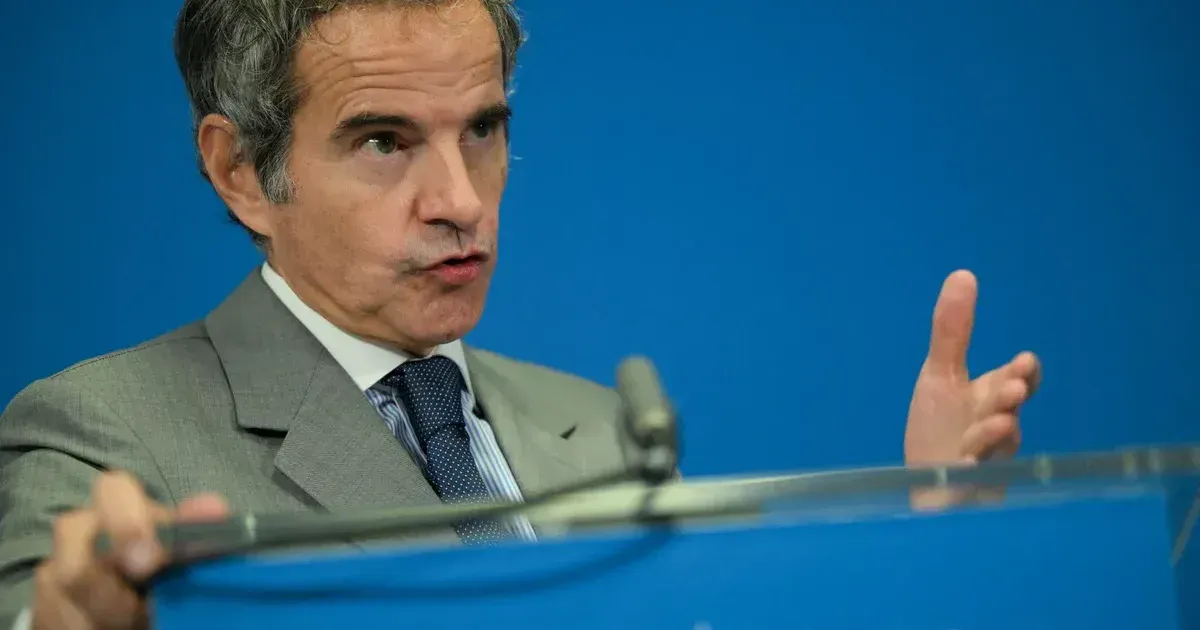
On June 24, 2026, Al Jazeera reported that IAEA chief Rafael Grossi said inspections would take place, even as Iranian officials argued that the process would follow the agreement reached after the recent conflict.
That gap is not only procedural. It is the first sign of how much trust, pressure and ambiguity still surround the framework that halted the most dangerous phase of the crisis. It also explains why the inspection question is likely to dominate early reactions from Washington, European capitals and regional governments watching for signs that Iran will accept practical limits.
Verification Is The First Real Test
Iran nuclear inspections are often treated as a technical subject, but they carry political weight because they determine whether outside governments can defend a deal to skeptical publics. If inspectors are delayed, restricted or forced into negotiations over each site, opponents will argue that the agreement is already weakening.
Tehran has its own political problem. Iranian officials must show that they accepted a diplomatic path without surrendering sovereignty or giving inspectors open-ended authority under pressure from the United States, Israel and European governments.
The IAEA sits in the middle of that tension. Its credibility depends on access, documentation and the ability to report clearly, but its work also depends on Iran not treating every request as a public confrontation.
The nuclear deal will be judged less by the words used to announce it than by the access inspectors actually receive.
Regional Trust Depends On Timing
The inspection dispute lands after a period of military escalation that left regional governments watching for proof that the crisis has genuinely cooled. Gulf states, European capitals and Israel will all read delays as signs of whether the agreement is stabilizing or simply postponing the next confrontation.
IAEA access is especially important because nuclear diplomacy is built around timelines. Inspectors need to verify stockpiles, equipment, enrichment activity and site status before political assumptions harden into competing claims.
The issue also connects directly to the earlier Trump-Pezeshkian interim deal, which reduced immediate war pressure but left implementation details exposed. Verification is where those details become measurable.
If inspections begin smoothly, the deal gains a stronger foundation. If they stall, sanctions pressure and military warnings could return before the diplomatic track has time to prove itself. That would be a serious problem for governments that sold the agreement as a way to reduce the risk of another military exchange, because verification is the bridge between a political promise and a security judgment that allies can accept.
Why the Language Matters
Both sides are choosing words carefully. The IAEA wants to establish that its mandate remains active and not subject to political bargaining. Iran wants to make clear that inspectors cannot operate as though the recent conflict changed the basic terms of sovereignty.
Verification politics therefore becomes a negotiation inside the larger negotiation. It is not enough for inspectors to enter Iran; the process has to produce information that other governments believe and that Tehran can present as lawful and reciprocal.
The next several weeks will show whether the deal contains enough detail to handle that pressure. A working inspection schedule would make the agreement more durable. A public fight over access would expose how fragile the diplomatic pause still is, and how quickly nuclear diplomacy can slide back into suspicion, sanctions and threats of force. The strongest version of the deal would let Iran claim lawful treatment while giving inspectors enough room to produce credible findings. The weakest version would leave every visit open to bargaining, turning verification into a recurring political crisis. That is why inspection mechanics matter as much as the diplomatic headline. A schedule, a dispute process, clear site lists and a public reporting rhythm can all reduce the risk that one disagreement becomes a broader accusation of bad faith. Without those details, each side will have room to blame the other for delays, and outside powers will begin building policy around suspicion rather than evidence. For a region that has just stepped back from open conflict, that would make the deal look less like settlement and more like a pause before the next test. That would also weaken moderates on every side who argued that diplomacy could deliver a safer outcome than another round of strikes, retaliation and emergency sanctions, all of which would make future compromise more expensive for Iran, the United States, Europe and regional governments watching closely.