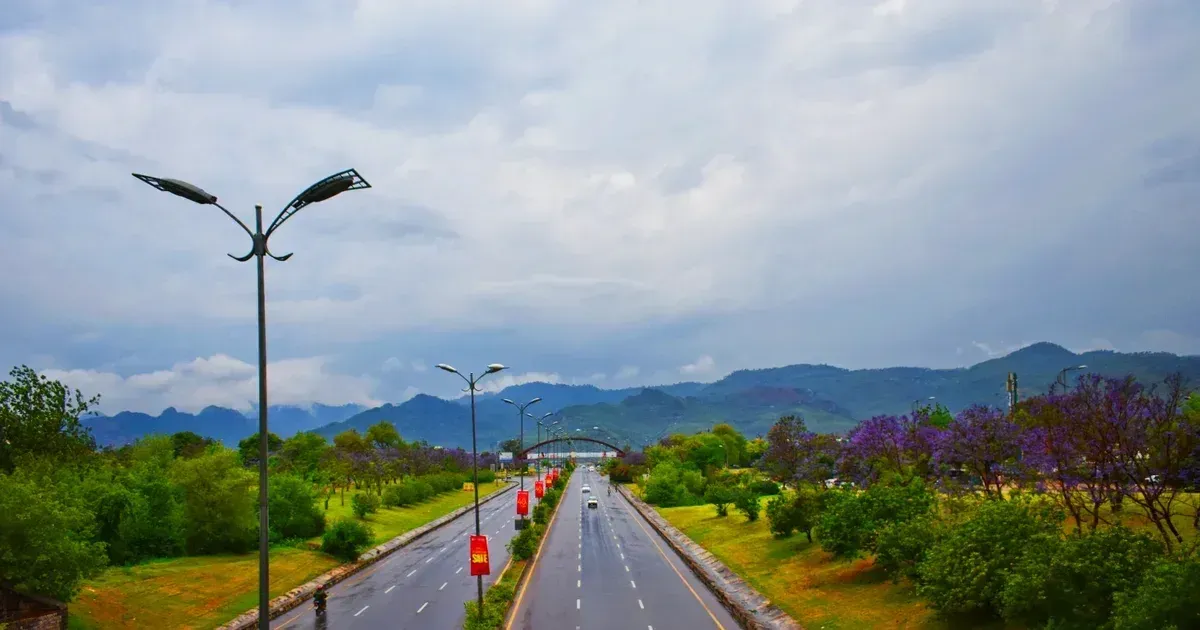
Iranian officials declared that Tehran has no intention of participating in diplomatic negotiations with the United States in Islamabad. Tehran’s rejection was reported on April 20, 2026.
Security forces in the Pakistani capital maintain a strict lockdown while preparing for a scheduled summit that appears increasingly one-sided. President Trump announced previously that a high-level American delegation traveled to Pakistan to initiate a new round of peace talks. These representatives arrived expecting a formal sit-down to de-escalate years of regional friction. Iranian leadership, by contrast, maintains that no such agreement ever existed.
Officials from the Iranian regime stated they never agreed to the timeline proposed by the White House, which suggested meetings could start as early as Monday. While the U.S. representatives wait in the heavily fortified Red Zone of Islamabad, the diplomatic silence from the Islamic Republic indicates a deepening rift in regional communications. Imtiaz Tyab reported for CBS News that tensions are escalating because of this fundamental disagreement over the very existence of a summit. Pakistani authorities have already closed major thoroughfares and deployed thousands of police officers to secure the venue. These measures now protect a delegation that lacks a counterpart.
Islamabad Security Lockdown and Logistics
Police units in Islamabad established a multi-layered security perimeter around the Diplomatic Enclave and the Serena Hotel. All routes leading to the city center are restricted, with shipping containers blocking access to the most sensitive areas. This level of preparation typically precedes high-stakes international mediation, yet the primary guest remains absent. Local residents face severe travel restrictions as the government attempts to ensure the safety of the American delegation led by senior State Department officials. Military personnel are stationed at key intersections to monitor pedestrian and vehicle traffic throughout the city. Security remains the top priority for the Pakistani interior ministry.
A spokesperson for the Iranian Foreign Ministry clarified that Tehran has no plans for negotiations with the U.S.. This statement, carried by Al Jazeera, contradicts the narrative emerging from Washington over the last 48 hours. The American administration framed the trip as a breakthrough in an enduring deadlock. Iranian state media outlets are instead projecting an image of defiance, suggesting that the U.S. is attempting to force a meeting through public pressure rather than private consensus. No formal invitations were accepted by the Iranian side according to sources in Tehran. The disconnect between the two nations is total.
Disconnect Between Trump and Iranian Leadership
Washington's strategy appears to rely on public declarations to pull Tehran to the table. President Trump has frequently used this tactic, announcing meetings before logistical details are finalized. This approach failed to produce the desired result this time as Iran opted to publicly embarrass the American delegation. Sources within the White House suggested that the Pakistani government acted as a conduit for the invitation. Iranian officials refute this claim, asserting that they were never part of the planning process for a Monday start. The confusion has left Pakistani mediators in an awkward position as they host a one-sided summit. Prior to this trip, tensions escalated when Trump threatened Iran's power grid ahead of the Pakistan Summit.
"Iran says it has "no plans" for negotiations with the U.S."
The quote, circulated by state-run news agencies, serves to shut down any speculation of a last-minute arrival by Iranian diplomats. Historically, such meetings require months of back-channel preparation involving neutral third parties like Oman or Switzerland. Pakistan's role as a mediator is a newer development, reflecting a shift in regional alliances. The current situation suggests that either the U.S. misread the signals from Tehran or the Iranian regime decided to withdraw at the final hour. Both scenarios point to a failure in basic diplomatic intelligence. Communication channels between the two adversaries are effectively frozen.
Strategic Deadlock and Regional Instability
Instability in the Persian Gulf persists as the diplomatic route remains blocked. Military analysts suggest that the failure of these talks could lead to an increase in naval provocations or proxy conflicts. The absence of a formal dialogue mechanism makes accidental escalation more likely. While the US maintains a substantial carrier presence in the region, Iran continues its enrichment activities and regional influence operations. Neither side has shown a willingness to make the first concession. The diplomatic stalemate in Islamabad is a physical manifestation of this broader geopolitical paralysis.
Economic sanctions continue to squeeze the Iranian economy, yet the regime refuses to negotiate under duress. Washington maintains that its maximum pressure campaign will eventually force Tehran to the table. The events in Islamabad suggest that the Iranian leadership is willing to endure economic hardship to avoid the appearance of surrender. Negotiators from the U.S. delegation expressed disappointment but indicated they would remain in Pakistan for a short period to see if the situation changes. Tehran maintained its stance through official state media channels. The standoff continues without a clear resolution.
Historical Context of Pakistani Mediation
Pakistan has long sought to balance its relationships between the West and its neighbors in the Middle East. Hosting these talks was an opportunity for Islamabad to elevate its status as a regional power broker. The failure of the meeting to materialize is a setback for Pakistani diplomacy. Prime Minister's aides had hoped that a successful summit would bring economic benefits and increased prestige to the nation. Instead, the government is left managing a costly security operation for a non-event. The outcome may discourage future attempts at mediation by South Asian partners.
Regional observers note that the U.S.-Iran relationship has been characterized by these missed connections for decades. Every attempt at direct dialogue seems to encounter a barrier of mutual distrust. The decision by Tehran to ignore the Islamabad summit is a calculated move to demonstrate autonomy. It signals to the world that Iran will not be moved by unilateral American announcements. The U.S. delegation now faces the prospect of returning home without having met a single Iranian official. Security forces in Islamabad began the process of slowly reopening some roads late on Monday evening.
Diplomatic Openings Narrow
Washington's reliance on performative diplomacy invites the very humiliation it seeks to avoid through strength. By announcing a summit before securing a firm commitment from Tehran, the administration has handed the Iranian regime a public relations victory on a silver platter. The image of an American delegation waiting in a fortified hotel while their counterparts stay home is a powerful symbol of waning diplomatic leverage. It reveals a fundamental lack of coordination that should alarm allies and embolden adversaries.
Diplomacy is not a reality television show where participants can be summoned by a press release. The failure in Islamabad is not a logistical error; it is a structural collapse of intelligence and protocol. When a superpower signals its presence and is ignored, the resulting vacuum is filled by those who seek to challenge the established order. Iran's refusal to show up is a deliberate act of geopolitical ghosting designed to prove that the White House cannot dictate the terms of engagement.
The State Department must abandon phantom meetings and return to the quiet, grueling work of back-channel negotiation. The Islamabad disaster suggests the latter is necessary. Without a return to professional standards, the U.S. risks further erosion of its credibility in the Middle East. Performance has its limits.