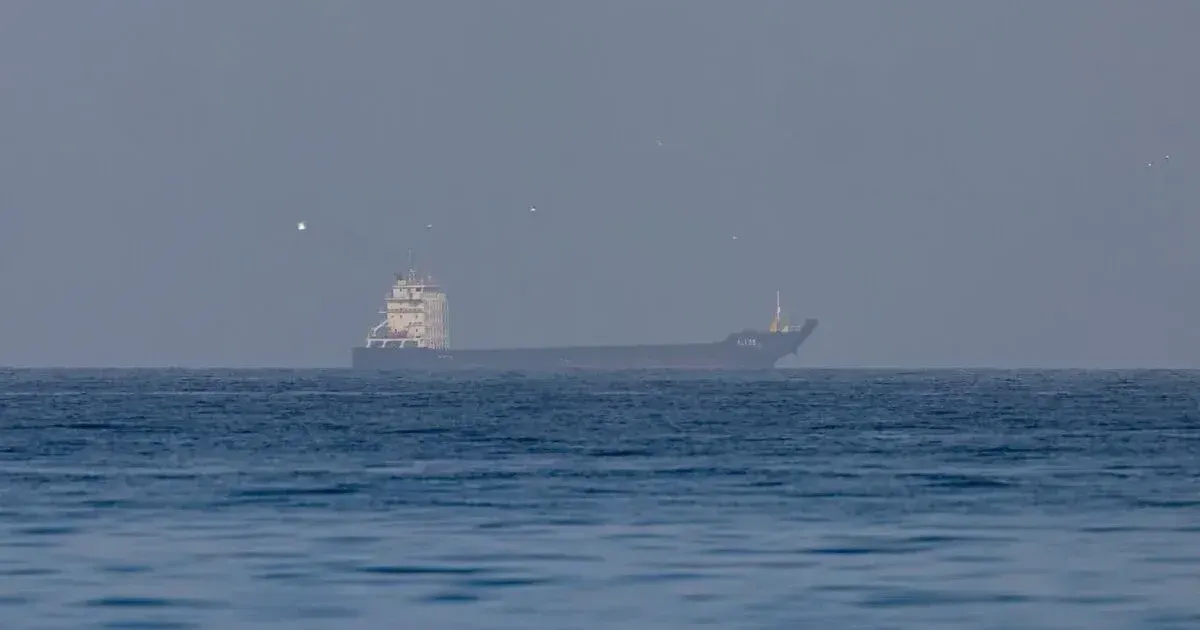
Traffic through Hormuz is rising, but the recovery is not the same as stability.
Safe-passage deals are giving some vessels room to move while leaving global shipping dependent on political permission. Shipping managers are treating the increase as a conditional opening, not a durable settlement. That distinction matters for insurers, cargo owners and energy traders.
Vessel movements through the Strait of Hormuz surged on April 6, 2026, to their highest levels since the initial outbreak of conflict, signaling a striking shift in Persian Gulf logistics. Data tracking commercial maritime activity confirms a sharp uptick in tanker and cargo ship transits through this narrow chokepoint. Bloomberg Economics analysts reported that current volumes represent a recovery toward pre-war norms, driven largely by diplomatic maneuvering between regional powers and global shipping interests.
Iranian authorities have reportedly formalized a series of bilateral understandings with specific nations to ensure the safety of their merchant fleets. Under these conditions, ships flying certain flags or carrying specific cargo have resumed transit with a reduced fear of seizure or kinetic interference. Global energy markets reacted cautiously to the news, though the increased flow of commodities offers a potential relief valve for strained supply chains.
Iran Safe Passage Agreements Drive Tanker Volume
Security protocols within the waterway have undergone a fundamental reorganization over the last several weeks. Diplomatic channels suggest that Iran has offered guarantees of non-interference to fleets from countries that have maintained neutral or cooperative stances during the ongoing regional instability. Private shipping firms have increasingly sought these protections to avoid the prohibitive costs of alternative routes around the Cape of Good Hope.
Traffic through the Strait of Hormuz has climbed to its highest levels since the early days of the war, as more countries secure apparent safe-passage agreements with Iran, according to a recent report from Bloomberg Economics.
Vessels often wait in designated staging areas outside the Gulf of Oman before receiving clearance to proceed into the Strait of Hormuz. Naval observers note that these ships frequently broadcast specific identification signals that correspond to the recently negotiated safe-passage lists. Reliability remains the primary concern for logistics managers who must balance the risk of transit against the economic necessity of delivering energy supplies to European and Asian markets.
Global Energy Markets Respond to Hormuz Transit Data
Oil prices displayed immediate volatility following the release of the April 6, 2026, transit figures. Brent crude futures fluctuated as traders assessed whether the increased traffic indicates a genuine de-escalation or merely a temporary tactical shift by Tehran. Energy analysts point out that roughly 30 percent of the world's seaborne oil passes through this single maritime artery, making any change in volume a matter of global economic consequence. The recent surge in traffic follows a period when Iran tightened its grip on Hormuz despite various international military interventions.
Liquefied Natural Gas (LNG) shipments have also seen a measurable rise in frequency. Port data from Qatari and Emirati terminals shows a steady stream of departures destined for the strait, suggesting that the safe-passage deals extend beyond crude oil exports. Commercial confidence, however, stays fragile as the underlying geopolitical tensions that sparked the conflict have not yet reached a permanent resolution.
Maritime Insurance Costs and Hormuz Security Protocol
Insurance underwriters at Lloyd's of London continue to monitor the situation with intense scrutiny. While traffic is rising, the war risk premiums attached to these voyages have not returned to baseline levels. Insurers require detailed manifests and route plans before granting coverage for any vessel entering the Persian Gulf. Risk assessments now include a tiered system based on the perceived strength of a vessel's safe-passage guarantee. Ships without such agreements find themselves facing nearly overwhelming insurance costs, effectively creating a two-tiered shipping market within the region. Cargo owners must decide if the lower freight rates associated with the Hormuz route outweigh the residual threat of state-sponsored interference.
Technical Monitoring of Hormuz Shipping Lanes
Satellite imagery provides a clear visual record of the congestion building at the entrance to the strait. High-resolution photos taken on April 6, 2026, show dozens of VLCCs (Very Large Crude Carriers) navigating the narrow separation schemes that divide Iranian and Omani waters. Electronic AIS (Automatic Identification System) data confirms that many of these ships are now moving at standard cruising speeds, a departure from the cautious, zigzagging patterns seen earlier in the year.
Maritime security firms are advising clients to maintain rigorous onboard watch protocols despite the apparent safety deals. Technological spoofing and GPS interference have been reported sporadically in the northern sections of the strait, complicating navigation for less-equipped vessels. Electronic warfare capabilities in the area mean that safe passage is as much a technical challenge as it is a diplomatic one.
Hormuz Access Test
Calling these safe-passage agreements a victory for global trade is a naive misinterpretation of the current maritime reality. What is unfolding is the formalization of a protection racket on a planetary scale. Iran has effectively privatized the Strait of Hormuz, transforming an international waterway into a gated community where entry is bought through political concession rather than governed by the United Nations Convention on the Law of the Sea.
Governments that sign these deals are not securing peace; they are subsidizing a precedent where any regional power with a few fast-attack craft can dictate terms to the global economy. By participating in this tiered transit system, the international community abandons the principle of freedom of navigation. This creates a dangerous precedent for other nations to weaponize geography whenever they have a grievance with the established order. Ship owners may celebrate the return of traffic, but they do so while wearing a leash. The moment the political utility of these agreements expires, the gates will slam shut again. The data from April 6, 2026, does not signal a return to stability. It indicates a successful heist.