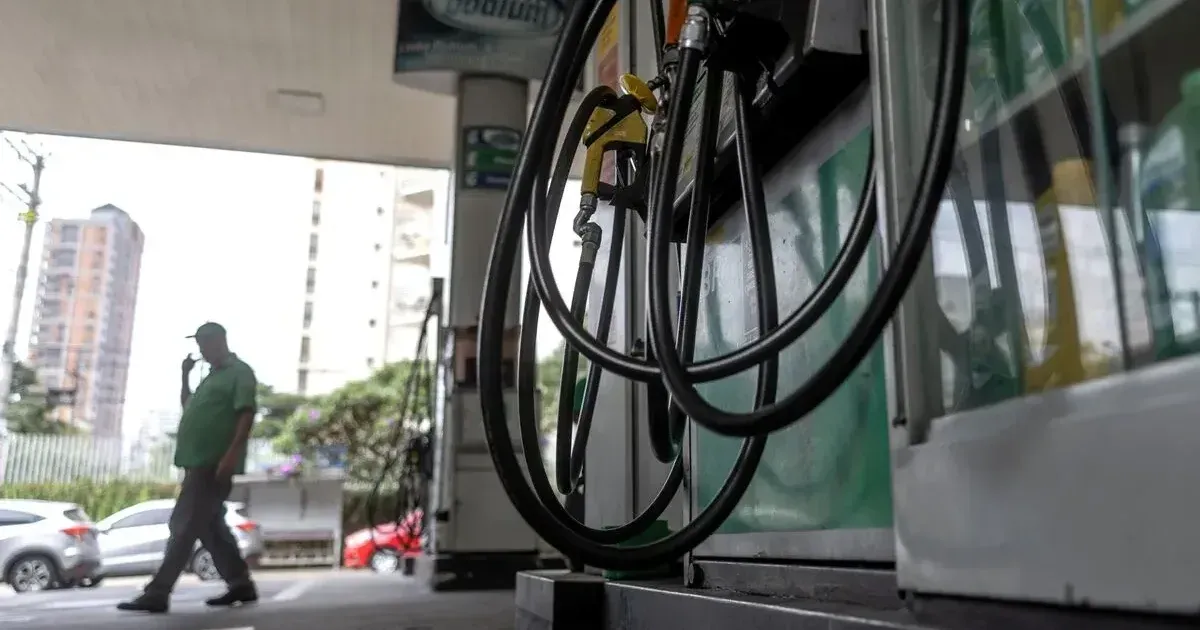
Energy markets are forcing governments to choose between fiscal relief and inflation discipline. Brazil is expanding fuel tax support while New Zealand's central bank signals patience as the Iran conflict keeps oil prices unstable.
The same shock has produced two different policy responses. New Zealand's central bank signaled on April 7, 2026, that interest rates will likely stay on hold to allow the economy to absorb the latest energy shock.
Brazil Expands Subsidies to Prevent Domestic Inflation
Government officials in the South American nation are struggling with the direct consequences of a protracted war. Tax exemptions on fuels represent a meaningful portion of the federal budget, yet the alternative is a rapid spike in consumer price indices. Iran, a critical node in global energy supply, remains the center of a conflict that has constricted traditional oil flows. This expansion of subsidies aims to prevent the type of social unrest that often follows sharp increases in the cost of living. On April 7, 2026, Brasilia was leaning on subsidies to shield households, while Wellington was watching imported energy costs before changing rates.
Petrobras, the state-controlled energy giant, has adjusted its pricing mechanisms to align with the government's temporary stability goals. Economists tracking the region suggest that the fiscal deficit may widen if crude prices remain above the projected threshold. Treasury data indicates that the revenue loss from these tax cuts could reach several billion reais per month. Energy prices dictate the pace of global recovery.
New Zealand Central Bank Navigates Rising Energy Costs
Wellington policymakers are facing a different set of challenges as they assess the spillover effects of the Middle East crisis. RBNZ officials intend to monitor the secondary effects of fuel prices rather than reacting to the initial price spike. Monetary policy remains restrictive to ensure that inflation expectations do not become unanchored by the cost of imported goods.
Low domestic demand has slowed the recovery of the Pacific nation, making any further rate hikes a risk to economic stability. New Zealand depends on international shipping for its consumer goods, and the increased cost of marine fuel is beginning to impact retail prices. Trade balances have suffered as the cost of oil imports outweighs the gains from dairy and meat exports.
New Zealand's central bank is expected to keep interest rates unchanged and restate its willingness to look through the initial inflationary impact of surging fuel prices that threaten a stuttering recovery, according to a Bloomberg Economics report.
Fiscal and Monetary Trade-Offs
Subsidies often create a temporary buffer that masks the true severity of an external shock. Analysts at major investment banks are monitoring whether other emerging markets will follow the Brazilian example of fiscal intervention. Crude oil futures have fluctuated wildly since the start of the year, driven by uncertainty regarding maritime safety in the Persian Gulf. Brasília must balance these immediate populist needs against the long-term requirement for fiscal responsibility. High interest rates in the United States and Europe already put pressure on the Brazilian real, and further deficit spending could weaken the currency further.
Brazil's current strategy assumes that the conflict will reach a resolution before the subsidy costs become unsustainable. Financial reports from the first quarter suggest that domestic fuel consumption has remained steady despite the higher global benchmark.
RBNZ governors must decide if the current fuel shock is a transitory phenomenon or a permanent shift in the global energy landscape. Wellington faces a delicate balancing act. High energy costs act as a de facto tax on households, reducing discretionary spending and cooling the overheated housing market. Monetary officials have maintained the Official Cash Rate at elevated levels to curb persistent core inflation. Projections from the central bank indicate that the output gap will take longer to close than previously anticipated. New Zealand business surveys reflect a growing pessimism among small firms regarding the cost of logistics.
Shipping delays and higher insurance premiums for cargo vessels are contributing to the supply-side pressure. Central bank statements emphasize that the current pause in rate moves provides necessary time to evaluate the resilience of the labor market.
Global markets are reacting to the realization that the Iran conflict is not a short-term event. Shipping companies have rerouted tankers to avoid high-risk zones, increasing the time and cost of fuel delivery to distant markets. Brent crude prices have stayed consistently above historical averages since the commencement of hostilities. New Zealand and Brazil represent two different approaches to the same crisis, one through fiscal intervention and the other through monetary patience. Logistics firms in the Pacific have increased their surcharges to cover the rising price of bunker fuel.
Insurance costs for vessels transiting sensitive areas have tripled in the last six months. Persistent volatility in the energy sector forces companies to delay capital investments and expansion plans. Refineries in Southeast Asia have reported a decrease in their margins as the cost of raw crude rises faster than the price of finished products.
Policy Choices Under Oil Stress
History rarely rewards governments that attempt to subsidize their way out of a commodity shock. Brazil's expansion of fuel tax cuts is a textbook example of political expedience masquerading as economic policy. By shielding the public from the reality of the Iran conflict, Brasília is delaying an inevitable and more painful correction. This strategy risks a fiscal spiral where the state must borrow more to maintain a facade of stability, eventually leading to currency devaluation and even higher domestic inflation. It is a gamble that depends entirely on a short war, a luxury that history suggests is rarely granted in the Middle East.