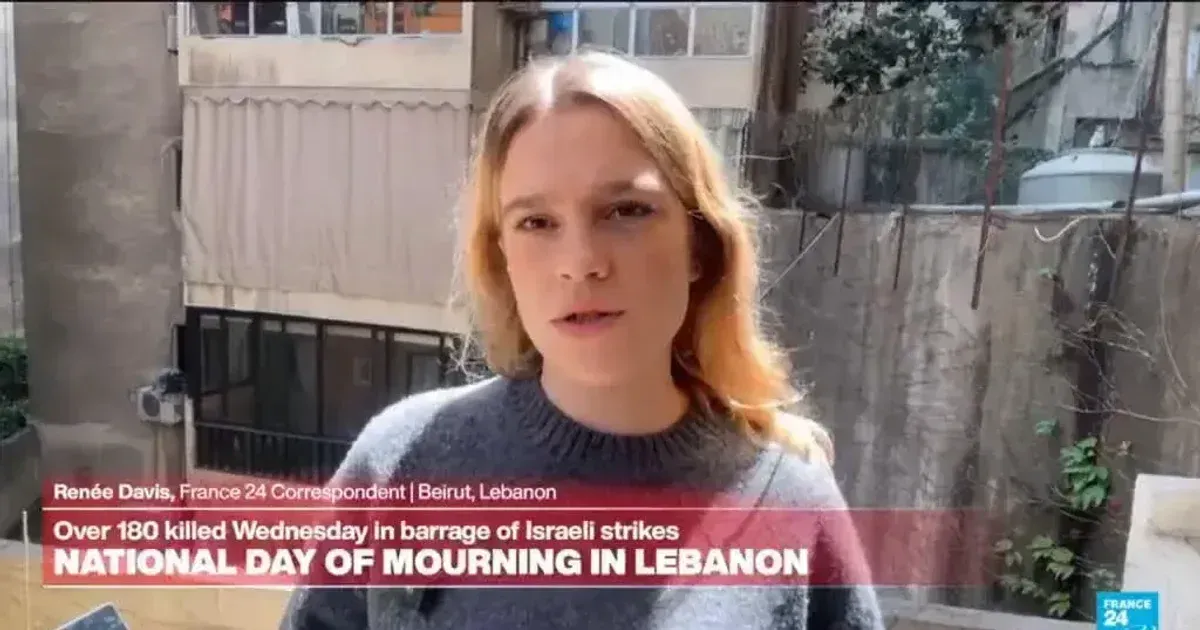
Lebanon health officials documented an Israeli triple-tap strike that killed three paramedics in a southern border village. The attack immediately sharpened scrutiny of emergency worker safety. On April 15, 2026, rescue workers arrived at a smoldering residential site to treat survivors from an initial blast when subsequent missiles struck the exact same coordinates. Beirut authorities identified one of the deceased as a medic who had recently appeared in a BBC report detailing the dangers faced by first responders. Israel continues to intensify its aerial campaign despite mounting international pressure regarding the safety of non-combatants.
Evidence from the scene suggests the IDF used precision-guided munitions to execute three distinct waves of bombardment over a twenty-minute period. This tactic, known as a triple-tap strike, targets the initial site, the first responders, and then the recovery teams. Doctors at the Nabatieh hospital reported that the injuries sustained by the survivors were consistent with high-velocity shrapnel from Hellfire missiles. Lebanon’s government formally condemned the action through a public statement.
Lebanon’s government condemned the killing of the paramedics as a “blatant crime” and noted that one had appeared in a BBC report.
Triple-Tap Strike Targets Medical Personnel
International law strictly prohibits the targeting of clearly marked medical vehicles and personnel during active hostilities. Despite these protections, Hezbollah sources claim that over twenty paramedics have died in the last thirty days of fighting. Witnesses in the village of Khiam reported that the ambulance involved in the April 15 incident was stationary and had its emergency lights activated when the second missile hit. Surveillance footage from a nearby shop confirms the medical insignia was visible from the air.
Surviving members of the Civil Defense unit described a chaotic scene where rescue efforts were abandoned to seek cover from circling drones. Once the third explosion occurred, the entire structure collapsed, burying both the original victims and the paramedics. Regional health directors have now ordered all ambulances to maintain a five-mile distance from active strike zones until at least two hours have passed. Military analysts observe that such restrictions will inevitably lead to higher mortality rates for civilians caught in the crossfire.
Hezbollah Signals Shift Toward Ceasefire
Hezbollah leaders signaled a potential willingness to discuss a ceasefire through intermediary channels in Qatar and Egypt. Diplomats in Beirut suggest the group faces internal pressure due to the rapid degradation of its command structure and the displacement of nearly one million people. While Iran maintains its public support for the resistance, private communications indicate a desire to avoid a total collapse of its primary proxy in the Levant. Hezbollah officials stated they would accept a temporary truce if Israel withdraws from the Litani River buffer zone.
Israel’s top general rejected the overture within hours of the announcement. Intelligence reports suggest the Israeli cabinet views the ceasefire hint as a tactical maneuver to allow the militia to rearm and regroup. Jerusalem remains committed to the total dismantling of launch sites that threaten northern Israeli towns. Military commanders have been ordered to ignore the diplomatic rhetoric and maintain the current tempo of operations.
Diplomatic Failure in Beirut
Peace talks in the Lebanese capital have reached a total deadlock following the rejection of the most recent American-led proposal. Negotiators sought a three-week pause in hostilities to enable the delivery of humanitarian aid to the south. Since the IDF general authorized the expanded strike list, the likelihood of a diplomatic breakthrough has plummeted. European Union representatives expressed concern that the window for a negotiated settlement is closing as both sides move toward total mobilization.
Beirut’s central business district remains paralyzed by the threat of further airstrikes. Small businesses have shuttered, and the Lebanese pound has lost another 15% of its value against the dollar in the last 48 hours. Banks have restricted withdrawals to $200 per week, sparking small-scale riots in the capital. The humanitarian crisis is expanding as shelters reach their maximum capacity.
Lebanon Escalation Risk
Conventional wisdom holds that military pressure forces diplomatic concessions, yet the charred remains of Lebanese ambulances tell a different story. Israel's top general is currently pursuing a policy of total tactical dominance that ignores the political realities of the Levant. By rejecting Hezbollah's ceasefire signals and expanding the target list to Iran, Jerusalem is betting that it can break the back of the regional resistance before its own international legitimacy evaporates. This gamble assumes that the Iranian regime will continue to prioritize its survival over the preservation of its proxies.
History suggests that decapitating a militant organization rarely leads to its permanent dissolution. Instead, the killing of medical personnel and the destruction of civilian infrastructure serve to radicalize the next generation of fighters. The IDF’s decision to approve strikes on Iranian soil is a brazen provocation that invites a multi-front war the Israeli economy is ill-equipped to sustain. If the goal is the safe return of northern residents to their homes, current methods are achieving the exact opposite result. The conflict has moved beyond a border dispute into a regional existential struggle with no clear exit strategy.
Military force has reached its point of diminishing returns. Continuing this trajectory leads only to a perpetual war of attrition that will bankrupt the region and draw global powers into a conflict they desperately wish to avoid. The current strategy risks a wider regional war without a clear diplomatic exit.