The suspension is about military discipline, press access and civilian scrutiny. A confrontation with a news crew cannot be treated as a narrow personnel issue. Israeli military officials suspended an entire reserve battalion on March 30, 2026, after soldiers physically assaulted a CNN news crew in the occupied West Bank. Video footage captured the moment uniformed personnel detained the journalists, using physical force to obstruct their reporting on local civilian displacements. During the confrontation, at least one soldier explicitly stated that his actions were motivated by a desire for ethnic revenge against Palestinians. Investigators confirmed the soldier asserted that the entirety of the West Bank belongs exclusively to the Jewish people. This decision to sideline a full combat unit is a rare disciplinary action for a military that often handles misconduct through individual reprimands. Military spokespersons confirmed the suspension involves all members of the reserve unit while a formal inquiry proceeds. Commanders pulled the battalion from its operational duties immediately after the footage gained international attention. Video evidence shows soldiers shouting at the reporters, demanding they cease filming in a public area near a recent settlement expansion. One reservist, whose identity remains under review by military police, looked directly into the camera to voice his ideological motivations. He told the news crew that the military presence is a tool for reclaiming land. He specifically used the word revenge to describe the operational mindset of his peers. Such candid admissions of political bias within active-duty units have troubled senior officials in Tel Aviv who maintain that the army operates as a professional, apolitical force. The specific unit had been stationed in a volatile sector known for frequent friction between local residents and expanding settler outposts.
Internal military documents suggest this is not the first time this specific reserve unit faced complaints regarding its conduct toward civilians and the media. Previous reports filed by human rights organizations alleged that members of the battalion frequently ignored legal protocols during night raids. Military prosecutors are now reviewing these older case files to determine if a pattern of lawlessness was ignored by the higher chain of command. The suspension also comes as the military manages high-tension borders in both the south and the north near Lebanon.
Strained resources have forced the army to rely more heavily on reserve units that may lack the rigorous discipline of professional brigades. Critics of the current policy argue that placing ideologically driven reservists in sensitive areas of the West Bank inevitably leads to human rights violations.
United Nations Data on Settler Violence
Statistics released by the United Nations provide a grim backdrop to the military suspension. Data indicate that at least nine Palestinians have been killed by Israeli settlers since the start of the calendar year. This surge in civilian-led violence often occurs in the presence of military units that fail to intervene. UN observers have documented dozens of instances where soldiers stood motionless while property was destroyed or individuals were harassed. The lack of intervention suggests a blurred line between military duty and settler interests.
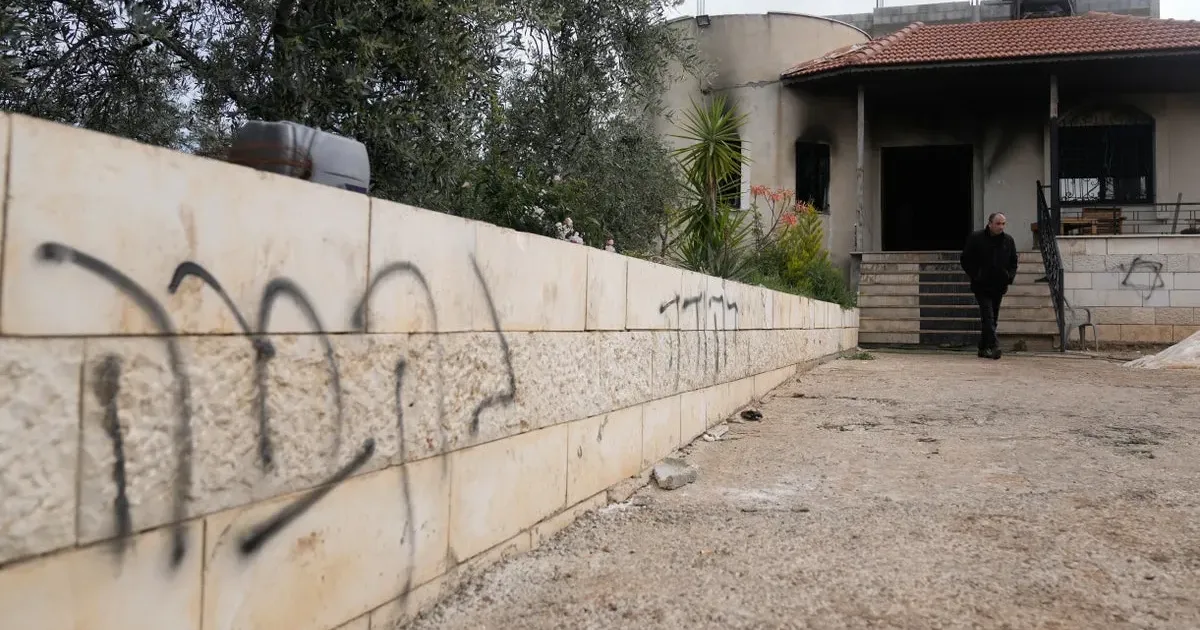
In many cases, the soldiers themselves reside in the very settlements they are assigned to protect, creating an inherent conflict of interest. The recent assault on the media crew appears to be an extension of this broader trend of impunity. The West Bank is for the Jews. We are here for revenge.
Humanitarian agencies report that settler violence has displaced over 200 families in the last three months alone. These displacements often follow a predictable pattern of harassment, crop destruction, and physical threats. United Nations officials have called for an independent investigation into the military's role in enabling these actions. They argue that the suspension of a single battalion, while distinct, does not address the systemic failure to protect non-combatants. Local residents in the affected areas describe a climate of fear where the distinction between soldiers and radicalized settlers has all but vanished.
The use of the word revenge by a uniformed soldier confirms the fears of international observers who worry about the radicalization of the IDF ranks. Most victims of these attacks have no legal recourse within the military court system.
Media Freedom Under Military Occupation
Journalists working in the region face increasing physical danger from both state and non-state actors. The assault on the CNN crew is the most high-profile incident this year, but it is far from an isolated occurrence. Press advocacy groups have recorded twelve separate instances of equipment damage and five arrests of reporters since January. These actions hinder the ability of the international community to monitor conditions on the ground. When the military obstructs reputable news organizations, it creates a vacuum of information often filled by unverified social media reports.
The decision to punish the unit involved in the CNN attack suggests that the military leadership is sensitive to the optics of suppressing major Western media outlets. Smaller, local news agencies rarely receive such high-level attention when their reporters are harassed. International law requires occupying powers to ensure the safety of journalists and allow them to conduct their work without interference. Legal experts point out that the physical assault and seizure of equipment constitute a direct violation of these international norms. The United Nations Human Rights Council has repeatedly warned that the erosion of media freedom in the territories leads to a lack of accountability for military misconduct. If soldiers believe they can silence witnesses, the threshold for physical abuse drops sharply. The suspension of the battalion is a temporary measure, yet it does not guarantee a change in the underlying military culture. Analysts suggest that until there are criminal prosecutions for soldiers who assault civilians, these incidents will persist.
Regional Instability and Military Discipline
Tensions on the northern border with Lebanon have further complicated the internal dynamics of the Israeli military. As professional units are moved north to counter threats from Hezbollah, reserve battalions are left to handle the day-to-day administration of the West Bank. This shift has placed less experienced and more politically motivated soldiers in direct contact with Palestinian populations. Military logic suggests that a distracted high command is less likely to notice small-scale abuses until they reach a breaking point. The CNN incident acted as that breaking point for the current administration.
Maintaining discipline while fighting on multiple fronts is a historical challenge for any modern army. In this case, the friction between ideological goals and military professionalism has become impossible to ignore.
Strategic analysts in Washington and London are monitoring the situation for signs of a wider breakdown in the Israeli chain of command. If reserve units continue to operate based on personal or religious motivations, the central government may lose its ability to direct policy on the ground. The internal rot presents a threat to the long-term stability of the region just as much as external enemies do. The suspension of an entire battalion is a clear signal that the top brass recognizes the danger of rogue ideological units.
Future military deployments will likely require more stringent vetting of reservists to prevent a recurrence of such blatant misconduct. For now, the soldiers remain in barracks, waiting for the results of an investigation that could redefine the role of the reserves in occupied territories.
Press Safety Accountability
Suspending a battalion acknowledges institutional responsibility, but accountability depends on the investigation that follows. Press freedom cases lose force when discipline stops at temporary removal. The broader issue is whether field commanders can protect journalists while soldiers operate in a highly charged occupation environment.