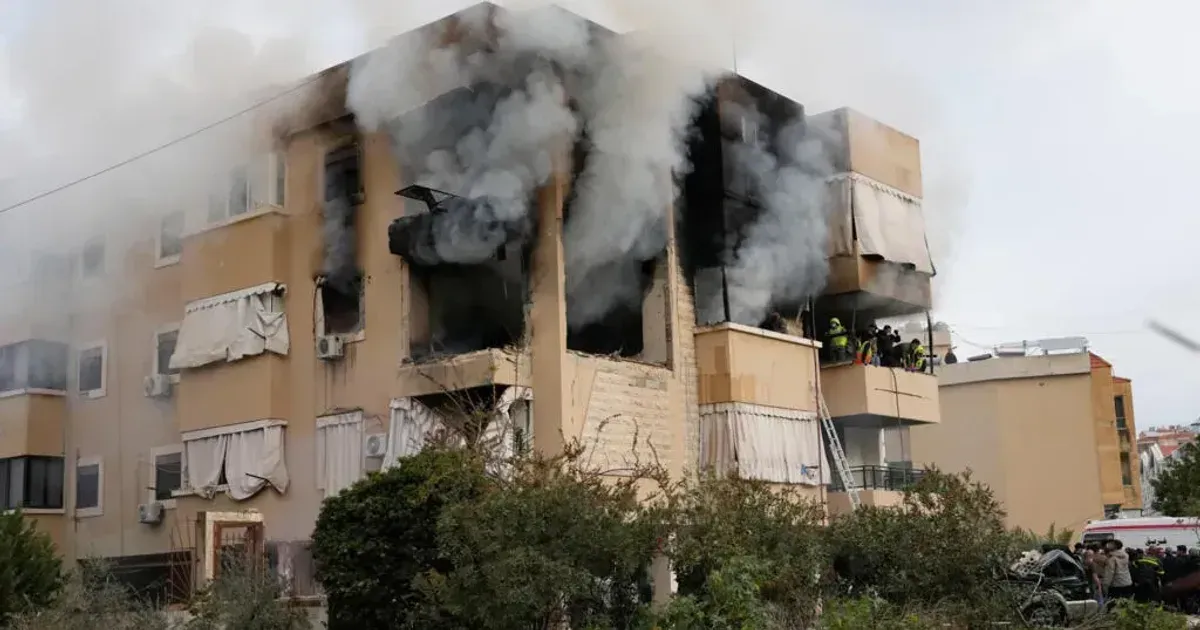
Sirens screamed across the hills of southern Lebanon as rescue workers pulled 12 medical staff from the ruins of a destroyed clinic on Saturday morning. Israeli warplanes leveled the facility overnight, leaving a crater where doctors and nurses once treated the wounded. Health authorities confirmed the deaths in southern Lebanon, turning the clinic strike into one of the sharpest tests of medical neutrality in the conflict. Beirut health authorities confirmed the deaths late Saturday, marking one of the deadliest single incidents for healthcare workers since the current escalation began. Dr. Shawky Amine Eddine, humanitarian affairs coordinator at ICRC Lebanon, reported that the strike targeted a known medical site. Evidence from the scene indicates the building was clearly marked as a humanitarian outpost. But the destruction extends far beyond this single facility in the south. Lebanon health ministry officials stated that the cumulative toll on first responders has reached a critical threshold. Since the conflict expanded earlier this month, the infrastructure of the Lebanese Red Cross and civilian defense teams has buckled under persistent bombardment. Staffing levels at frontline clinics are plummeting as personnel face direct kinetic threats while answering emergency calls. The ministry provided specific coordinates to international observers to highlight the vulnerability of these sites. Twelve bodies now rest in a makeshift morgue in Nabatieh.
The deaths of medics in southern Lebanon make civilian rescue work part of the war cost, not a side detail.
Clinic Strike Kills Medical Workers
Local witnesses described the overnight strike as a series of precision hits that bypassed neighboring residential blocks to strike the heart of the medical center. Dust and the smell of sulfur filled the air for hours as volunteers dug through the concrete slabs with hand tools. Most of the victims were younger paramedics who had stayed behind to manage the influx of displaced civilians. Hezbollah leader Naim Qassem referenced the deaths in a televised address, asserting that his group is prepared for a protracted conflict. He claimed that the targeting of medical staff would not deter the group from its military objectives. Six ambulances were also incinerated in the blast radius.
The logistical nightmare of retrieving the dead continues. Dr. Amine Eddine noted that the ICRC is struggling to secure safe passage for its own convoys into the border regions. Communication with several remote outposts was lost shortly after the clinic was hit. Many medical workers in the south have started sleeping in their vehicles to avoid being trapped inside buildings that might become targets. This practice has become a standard survival mechanism among the remaining trauma surgeons. The facility in question had previously been vetted by international monitors as a safe zone.
The ministry accuses The Israeli military of repeatedly targeting ambulance crews while they were performing rescue duties. Meanwhile, the intensity of the air campaign has forced many private clinics to shutter their operations entirely. Hospitals in Beirut are receiving patients who have traveled for hours because local emergency rooms no longer exist. Medical supplies are dwindling in the south, where blocked roads prevent the delivery of blood bags and oxygen tanks. For instance, the hospital in Tyre reported it has only three days of anesthesia left. The lack of electricity further complicates the storage of temperature-sensitive medications. Generators are running on the last reserves of smuggled fuel.
Ambulance Crews Face Growing Risk
Official records from the Lebanese health ministry now show that 26 paramedics have been killed since the violence flared. These figures do not include the 51 personnel who have suffered permanent injuries, many of whom were struck while attempting to extract victims from previous bombings. The ministry reported only a handful of medical casualties during the initial skirmishes last year. The spike in deaths coincides with a shift in military tactics that emphasizes total area denial. March 2 remains the date when the ministry first noted a systematic increase in strikes hitting first responder vehicles.
Iva Kovic-Chahine, head of L'Orient Today in Beirut, reported that the ministry is compiling a formal dossier for the United Nations. This document reportedly contains satellite imagery and radio intercepts of the moments preceding the strikes. Medical personnel in Lebanon are theoretically protected under the Geneva Convention, yet the practical reality on the ground suggests those protections have evaporated. Many ambulances have removed their sirens and flashing lights to avoid drawing attention during transit. The health ministry maintains that every killed medic was a non-combatant. The ministry published the names and professional registrations of the deceased on Saturday.
Military Claims Raise Legal Questions
the Israeli military has offered a justification for the recurring strikes on transport vehicles and clinics. Intelligence reports released by the IDF claim that militant factions use ambulances to ferry combatants and high-grade munitions between firing positions. Israeli officials showcased drone footage that they allege shows armed individuals entering a medical facility in a nearby district. Such claims are frequently used to justify the removal of protected status from civilian infrastructure. The military stated it would continue to target any platform used for hostile activity. This stance has created an environment where no vehicle is considered neutral by default.
The Lebanese government has rejected these assertions as fabricated pretexts for broader civilian displacement. Officials argue that the ambulances targeted were carrying nothing but stretchers and basic trauma kits. The clinic hit on Saturday did not have an underground basement, making it an unlikely site for weapons storage according to architectural plans. Even the IDF maintains that the tactical use of medical cover is a core component of its opponent's strategy. The dispute over these facts makes any immediate de-escalation for humanitarian corridors unlikely. Tensions remain high as more strike notifications are issued for the border villages.
Current hostilities surged sharply following the death of the Iranian supreme leader in a coordinated operation. Lebanon was pulled deeper into the fray as retaliatory strikes and counter-strikes became the daily norm. Naim Qassem has since taken a more aggressive posture, signaling that the rules of engagement have shifted toward total war. The death of the Iranian leader removed the remaining diplomatic guardrails that had previously limited the scope of the fighting. Every sector of Lebanese society is now feeling the impact of this regional realignment. The central bank in Beirut is monitoring the rapid inflation of medical costs.
The conflict has moved into a phase where civilian and military boundaries are indistinguishable. The ICRC and other international bodies are finding it nearly impossible to mediate even the smallest humanitarian pauses. For instance, a request for a four-hour window to evacuate the wounded from the south was denied by both sides last Wednesday. The mortality rate for treatable injuries is rising among the civilian population. The twelve medics killed in the latest strike represent a widening gap in the country's emergency response capacity. Lebanon now faces a systemic collapse of its northern and southern medical networks.
Medical Neutrality Must Still Matter
Is the concept of medical neutrality a quaint relic of a bygone era or a standard that must be defended at any cost? The systematic slaughter of paramedics in Lebanon suggests that the international community has largely moved past the pretense of protecting those who save lives on the battlefield. When ambulances become targets and clinics become craters, the very foundation of the Geneva Convention is treated as an optional suggestion rather than a binding law.
One must ask if the accusations of human shielding have become the all-encompassing excuse for every logistical error or intentional atrocity committed by a modern air force. The silence from Western capitals regarding these particular casualties is as deafening as the explosions that caused them. If we allow the infrastructure of mercy to be dismantled under the banner of military necessity, we forfeit the right to claim any moral superiority in these conflicts. It is no longer about collateral damage. It is about the deliberate erasure of the humanitarian space.
If a doctor cannot feel safe in a marked clinic, then no one is safe anywhere. The precedent being set in the hills of Lebanon will inevitably be exported to every other theater of war. We are watching the expiration of the rules of war in real time.