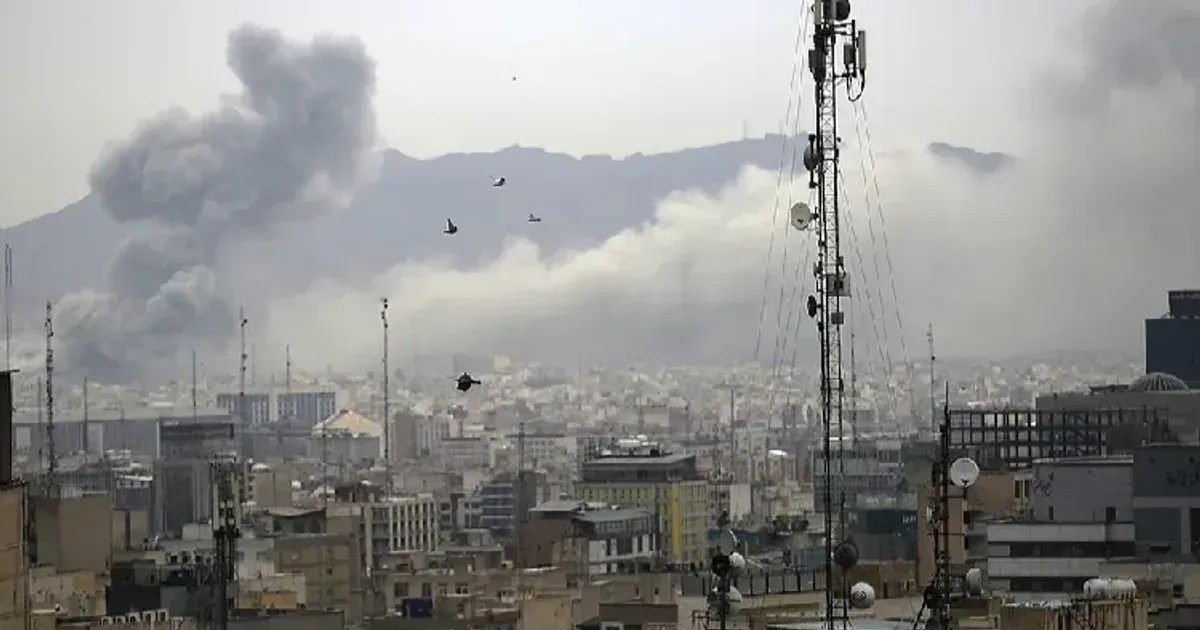
Isfahan residents reported powerful explosions before dawn on Sunday as a joint military operation targeted industrial facilities in central Iran. Precision munitions struck a factory complex in Isfahan, resulting in at least 15 fatalities according to local state media reports. Smoke from the blast site remained visible for hours, marking a major escalation in the air campaign that began in late February. Iranian officials have not released the names of those killed, but local reports suggest several technical specialists were on site at the time of the impact.
Israeli Defense Minister Israel Katz announced the start of a new, more aggressive stage of the conflict during a high-level situation assessment with military commanders. Katz stated that the war has entered a decisive phase intended to neutralize long-range threats permanently. Military planners in Tel Aviv and Washington appear to have coordinated the timing of these strikes to maximize the disruption of Iranian logistics. This decisive phase will continue as long as necessary to achieve the stated security objectives of the coalition forces. Army chief Eyal Zamir stood alongside Katz during the briefing, though he offered no specific details on the upcoming tactical timeline.
Iran Strikes Enter a Joint Phase
Satellite imagery confirms that the Iranian Space Research Centre in Tehran suffered catastrophic structural damage during the same wave of attacks. Extensive sections of the main research hall appear collapsed, with scorched earth surrounding the perimeter of the facility. Iranian state television broadcast footage of rescue workers searching through the rubble for survivors. The center is a primary hub for the development of satellite launch technology and long range ballistic capabilities. This facility was a priority target for coalition intelligence agencies seeking to degrade the domestic missile production capacity of the Iranian state. Casualty figures continue to mount across the country as the conflict enters its third week of intensive aerial bombardment. The United Nations Refugee Agency estimates that more than 1,200 people have died since the start of the campaign on February 28. Millions of Iranian citizens have fled their homes to escape the path of drone and missile strikes. Refugee camps along the borders with neighboring nations are reportedly over capacity. Humanitarian organizations are struggling to provide basic medical supplies to clinics in the most heavily targeted provinces.
Casualties Rise Around Industrial Sites
Baghdad became a secondary front in the regional struggle as black smoke rose from the United States embassy grounds on Saturday afternoon. Pro-Iranian militias are suspected of launching the rocket attack that hit the fortified compound for the second time in less than a month. Security personnel at the embassy deployed counter-rocket systems, but at least one projectile impacted within the residential zone of the facility. No American casualties have been confirmed following the latest barrage. The strike coincided with the arrival of new US military assets to the region intended to strengthen the defense of strategic diplomatic outposts.
Should Iran, or anyone else, do anything to interfere with the Free and Safe Passage of Ships through the Strait of Hormuz, I will immediately reconsider this decision,
Washington has responded to the embassy attack by increasing the frequency of sorties over militia strongholds in Iraq and Syria. These retaliatory strikes have focused on command centers and weapons depots used by groups aligned with the Iranian Revolutionary Guard. Pentagon officials claim these operations are necessary to protect American personnel stationed in the Middle East. The escalating cycle of violence in Baghdad complicates efforts to maintain a stable diplomatic presence in the Iraqi capital. Iraq has repeatedly called for a ceasefire to prevent the total collapse of its internal security infrastructure.
Hormuz Threat Keeps Markets on Edge
President Donald Trump confirmed that US forces successfully targeted Kharg Island, the primary terminal for Iranian oil exports. Trump stated that the strikes obliterated every military target on the island while intentionally sparing the commercial energy infrastructure for the time being. This move appears designed to pressure Tehran into halting its naval provocations in the Persian Gulf. Kharg Island handles approximately 90 percent of the crude oil exported by the Islamic Republic. Any total destruction of the loading docks would effectively end the primary revenue stream for the Iranian government.
The threat to strike energy facilities directly remains on the table if Iranian forces continue to harass commercial shipping lanes. Trump has warned that any interference with the Strait of Hormuz will trigger an immediate expansion of the target list. US Navy officials are preparing to start escorting tankers through the narrow waterway very soon. The escort mission is a major commitment of naval resources, including carrier strike groups and destroyer squadrons. The goal is to ensure the free flow of global energy supplies despite the ongoing regional war. Markets have reacted with extreme instability as the possibility of a total blockade remains a central concern for international traders.
Clouds of dark smoke were seen rising from the United Arab Emirates after an attack hit a major energy storage facility in Fujairah. The port is a critical export hub that allows oil to bypass the Strait of Hormuz via pipeline. Iranian military officials had previously warned civilians to stay away from port areas in the Emirates. The strike on Fujairah suggests a widening of the conflict to include neutral energy infrastructure in the Gulf. Global oil prices spiked immediately following reports of the fire at the terminal. Firefighting crews spent several hours attempting to contain the blaze before it reached adjacent storage tanks.
Reports from the Wall Street Journal and the New York Times suggest the US military is weighing the possibility of a ground invasion. While no official deployment orders have been made public, logistics movements in Kuwait and Jordan point to an accumulation of heavy armor and infantry. Senior defense officials have declined to comment on detailed contingency plans for a land campaign. Such an operation would represent a major escalation compared to the current air and sea strategy. Military analysts suggest a ground incursion would focus on securing missile launch sites along the southern coastline. The Iranian military has responded by moving mobile air defense units into the rugged terrain of the Zagros Mountains.
Communication networks across Iran have become increasingly unreliable as the coalition targets electronic warfare and signal processing centers. Internet outages have been reported in Tehran, Shiraz, and Mashhad, limiting the flow of information out of the country. These disruptions are making it difficult for families to locate relatives displaced by the fighting. The loss of connectivity also hinders the ability of the Iranian government to coordinate its internal defense efforts. Technical teams in the coalition are reportedly using cyber operations to degrade the command and control structures of the Iranian Revolutionary Guard. The digital front is becoming as active as the kinetic war in the skies above the Persian Gulf.
Coalition War Narrows Diplomatic Space
Military planners in Jerusalem and Washington have a long history of miscalculating the endurance of ideological regimes. The declaration of a decisive phase is a rhetorical luxury that rarely survives the reality of a protracted regional conflict. While the technical destruction of the Tehran Space Research Centre is a tactical success, it does nothing to address the underlying political fervor that drives the Iranian defense apparatus. History suggests that aerial campaigns against complex nations often serve to consolidate domestic support rather than fracture it.
The threat to destroy the oil terminals on Kharg Island might seem like ultimate leverage, but it also risks an economic contagion that the West is ill-prepared to handle. If the Strait of Hormuz closes, the resulting global recession will likely do more damage to the coalition than the missiles of the Revolutionary Guard ever could. Taking a victory lap while Baghdad is under fire and millions are displaced is a premature and dangerous exercise in hubris. The rumors of a ground invasion suggest a descent into the same strategic trap that defined the early 21st century.
Unless the coalition has a plan for the day after the regime falls, they are simply inviting a chaotic vacuum that no amount of precision bombing can fill.