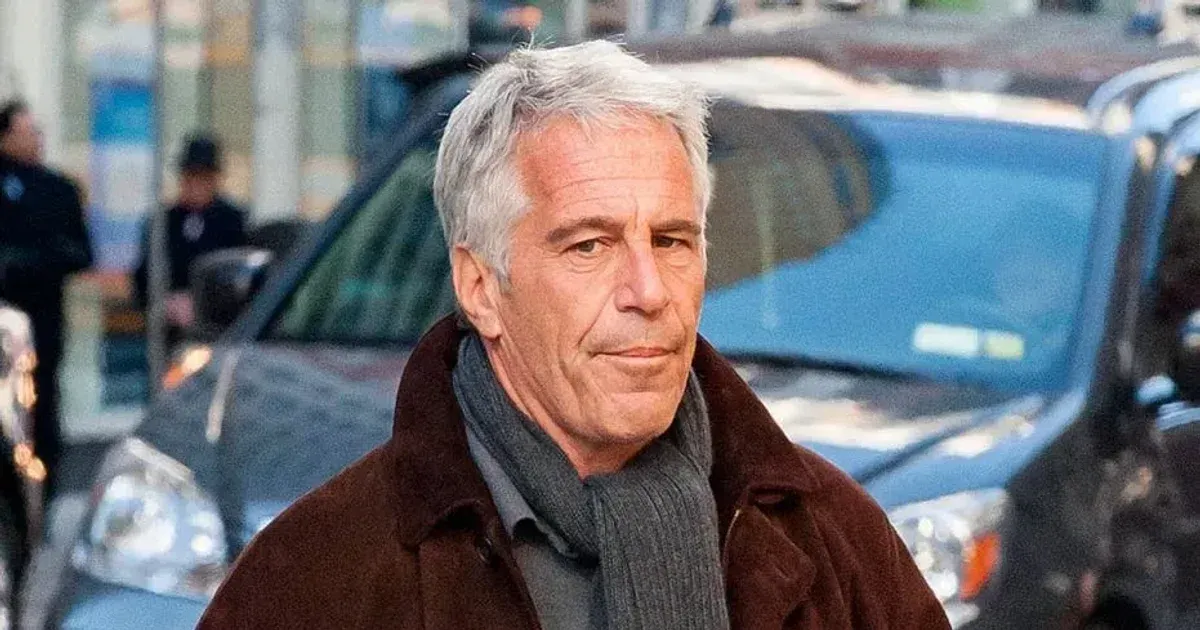
The Epstein file release immediately revived scrutiny of how officials handled his death. A purported suicide note carries special weight because the case has remained a magnet for suspicion. The judge's order also puts pressure on agencies to explain what was withheld and why. The new material will be compared against earlier jail records and official statements. Victims and lawyers are also likely to press for related documents. On May 6, 2026, the unsealing moved another piece of the Epstein record into public view. A federal judge has unsealed an undated note that Jeffrey Epstein's former cellmate said he found after an earlier suspected suicide attempt, bringing a sealed piece of court evidence into public view after years of litigation. Judge Kenneth Karas released the document on May 6 after The New York Times petitioned for access in a case connected to former police officer Nicholas Tartaglione. The document will not end every theory surrounding Epstein, but it changes the evidence available to the public. Lawyers, victims and journalists can now compare the note with earlier official descriptions of the jail timeline.
The document is being described in court coverage as a purported suicide note, not as an authenticated final statement. That distinction matters because the note's timing, custody history and purpose remain disputed. Tartaglione has said he found it after Epstein was discovered injured in jail in July 2019, weeks before Epstein died in federal custody while awaiting trial on sex-trafficking charges.
Court Order Opens a Sealed Record
Karas, sitting in federal court in White Plains, New York, ordered the note released after news organizations argued that the public interest in the Epstein record outweighed continued secrecy. The document had been sealed as part of litigation tied to Tartaglione, who once shared a cell with Epstein at the Metropolitan Correctional Center in Manhattan.
Federal prosecutors had already signaled support for unsealing the material, reducing the legal barrier to public access. The ruling does not resolve every question about Epstein's confinement, but it does move one long-discussed item from rumor and sealed filings into the court record. For a case defined by missing context and public distrust, that procedural shift is significant on its own. It also gives reporters a fixed court record to cite instead of relying on secondhand descriptions of a document that had become part of the Epstein mythology before the public could see it. That reduces ambiguity even if it does not reduce the public sensitivity of the material.
The released text reportedly includes two striking lines: "They investigated me for months - found nothing!!!" and "Time to say goodbye." The handwriting was described as difficult to read in places, and the document itself remains undated. Those limits should keep the note from being treated as a complete account of Epstein's final days.
Timing Questions Remain Unsettled
The most important factual question is whether the note was written before the July 2019 jail incident or closer to Epstein's death in August of that year. Reports citing Tartaglione's account place the discovery after the earlier suspected attempt, when Epstein was found injured in his cell. That timeline would make the document evidence of a broader custody crisis rather than a clear last message.
Epstein's self-exculpatory language also cannot be read as a finding by investigators. He was still facing federal sex-trafficking charges, and prosecutors were preparing a case that involved alleged victims, financial records and years of scrutiny. The note shows how Epstein framed his situation, not whether the allegations against him lacked evidence.
That is why the unsealing creates more context than closure. It gives lawyers, journalists and the public a document that can be compared with jail records, medical decisions and earlier accounts of Epstein's condition. It does not eliminate the need for careful language around a case where speculation has repeatedly outrun the verified record. The safer reading is narrower: the note may show Epstein's state of mind around the July incident, while the official death timeline still has to be evaluated through jail logs, medical decisions and oversight findings.
Cellmate Case Keeps the Note Relevant
Tartaglione's connection to the document explains why it remained in a separate criminal record for so long. His lawyers had used the note while arguing about conditions and events inside the federal facility. Because Epstein's death became a national controversy, material in that adjacent case carried public importance beyond Tartaglione's own prosecution. The unusual path of the document also explains why its release took so long: it was not sitting in a public investigative file, but inside a separate criminal docket with its own sealing history and procedural rules.
The release also intersects with continuing demands for disclosure around Epstein-related files. Separate political and legal fights over public hearings about Jeffrey Epstein and Justice Department records have kept the case in the news. The note now joins that larger archive of documents that officials and courts are being pressed to explain.
Its evidentiary value will depend on provenance. Who had the paper, when it was found, how it was stored and whether investigators considered it during internal reviews all shape what can responsibly be inferred. Those questions are narrower than the conspiracy claims that often surround the case, but they are the questions courts and oversight bodies can actually test. They also determine whether the note changes any legal argument or merely fills in a missing piece of chronology.
The Unsealing Expands Public Access Without Settling the Evidence
The decision reinforces a basic principle in high-profile custody cases: sealed evidence cannot remain hidden indefinitely merely because it is embarrassing, sensitive or politically volatile. By granting access, Karas placed public accountability above institutional preference for closure, especially after related proceedings had advanced far enough to reduce the risk of interference.
The note may also sharpen scrutiny of how federal officials assessed Epstein's mental state after the first suspected suicide attempt. If jail staff or investigators knew of a written message suggesting despair, lawyers for victims and oversight advocates may argue that the custody response deserves renewed examination. The Justice Department’s handling of Epstein records remains a live accountability issue precisely because small pieces of evidence continue to surface years later.
The document should not be overstated. It is not a verdict on Epstein's death, and it does not settle the failures inside the Metropolitan Correctional Center. Its importance is narrower but still real: a court has made a contested piece of evidence public, and that evidence now has to be weighed against the broader record rather than left behind a courthouse seal. That makes the release useful for accountability without turning it into proof of every theory attached to the Epstein case.