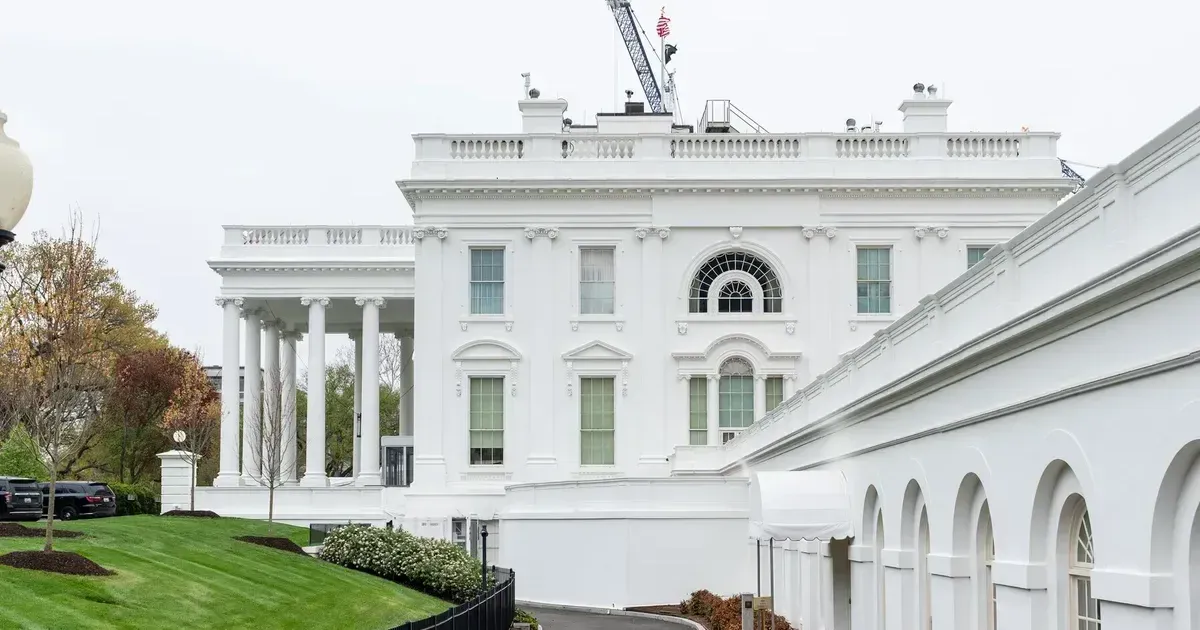
Donald Trump secured a temporary legal victory when a federal appeal court authorized continued construction on his controversial ballroom project. A three-judge panel issued the temporary stay, allowing heavy machinery to remain active at the site through at least April 17. On April 11, 2026, the ruling shifted the dispute from immediate shutdown risk to closer judicial review of permits and site plans. Legal representatives for the development argued that stopping work would cause irreversible financial damage to the $11 million renovation timeline.
Appellate judges indicated that the current record lacks the specificity required to issue a permanent ruling on the project. They have directed a lower district court to re-examine the architectural plans and the physical footprint of the proposed ballroom. Uncertainty regarding the total square footage and the environmental impact of the foundation work led to the call for further fact-finding. Site managers must now provide detailed blueprints and engineering reports to the district court before the mid-April deadline expires. Failure to satisfy these requirements could lead to a renewed shutdown order.
Construction Logistics and the April 17 Deadline
Workers on the property have accelerated their pace to complete structural framing while the legal window stays open. The brief extension provides six days of additional activity for the masonry and electrical teams currently on-site. Any delay beyond the current week would disrupt the supply chain for specialized marble and glass fixtures scheduled for delivery. Project managers have instructed crews to prioritize the exterior shell to ensure the structure is weathertight. Contractors are operating under the assumption that the stay will not be extended a second time without substantial evidence of compliance.
Construction expenditures have already exceeded initial projections by 15 percent due to the ongoing legal interventions. Legal fees and court-ordered environmental assessments have added significant overhead to the private development. Trump Organization officials have not publicly disclosed the exact funding sources for this specific expansion. Financial records submitted to the court show that the project relies on a mix of private equity and existing operational revenue from the hospitality division. Maintaining the construction schedule is essential for the property to meet its winter season booking commitments.
District Court Scrutiny of the Ballroom Site Plans
Judges at the appellate level expressed frustration with the vague descriptions of the ballroom interior and its intended capacity. The lower court must now determine if the project exceeds the zoning limits originally approved by local municipalities. Discrepancies between the initial permit applications and the current steel structure have drawn the attention of regional planning boards. Local activists have filed petitions claiming the expansion violates setback requirements for coastal properties. These claims will form the basis of the evidentiary hearing scheduled for later this week.
Legal challenges to the ballroom focus on whether the structure is a simple renovation or a brand-new addition. Donald Trump has maintained that the project is an essential modernization of an aging facility. Zoning laws differentiate strictly between maintaining a building and increasing its footprint. If the court finds that the structure is a new building, the development would require a different set of environmental impact studies. These studies could take months to complete and would require the complete removal of all active construction crews.
Building inspectors from the county have visited the site three times since the beginning of the month. Reports from these inspections suggest that the plumbing infrastructure being installed may be designed for a higher occupancy than the permits allow. Engineering teams must reconcile these differences before the April 17, 2026, cutoff. Local regulatory bodies have traditionally been strict about occupancy limits for events in high-density residential zones. The outcome of the federal case will likely influence how county officials approach future inspections at the property.
Environmental groups have joined the litigation as intervenors to argue against the drainage systems being installed. They claim that the concrete pour for the ballroom foundation interferes with natural water runoff patterns. Lawyers for the project dismissed these concerns as politically motivated attempts to stall a private business venture. Technical experts have been hired by both sides to present conflicting data on soil compaction and water table displacement. The district court judge will need to weigh this expert testimony during the upcoming hearing.
Judicial intervention in private construction is typically reserved for cases involving significant public interest or clear regulatory violations. The appeals court panel is navigating the line between private property rights and the enforcement of local land-use laws. It is rare for an appellate court to micromanage the specific details of a building footprint. This case reflects the high profile of the developer and the intense scrutiny applied to his business dealings. Public interest in the case has forced the court to move at an accelerated pace to reach a resolution.
Precedent for this type of stay exists in various commercial real estate disputes across the federal circuit. Usually, courts prefer to maintain the status quo while legal arguments are finalized. Allowing work to continue avoids the immediate economic loss that a total stoppage would incur. If the district court finds the plans are in order, the stay will be vacated and the project will proceed to completion. A finding of non-compliance, however, would lead to an order to demolish any portions of the structure that exceed the legal scope.
Judicial Review Before Construction
Judicial hesitation in celebrity litigation is a recurring failure of the American legal system. The decision by the appeals court to allow construction to proceed while admitting they lack clarity on the project scope is an exercise in cowardice. By the time the lower court untangles the details, the steel will be set, the concrete will be dry, and the project will be a fait accompli. This strategy of seeking forgiveness through finished construction is a classic tactic used by high-wealth developers to bypass municipal oversight. The court is effectively rewarding a lack of transparency by granting a stay to a project they admittedly do not fully understand.
Allowing work to continue until April 17, 2026, provides a window for the Trump Organization to create a situation where a shutdown becomes physically or economically impossible. Once a building reaches a certain stage of structural integrity, judges are notoriously loath to order demolition. The demand for clarity is a hollow gesture if the hammers keep swinging. It is not a search for truth but a procedural delay that favors the developer over the rule of law. It is a calculated gamble by the judiciary to avoid a definitive ruling that would satisfy neither the environmentalists nor the President. Weak oversight produces weak results.