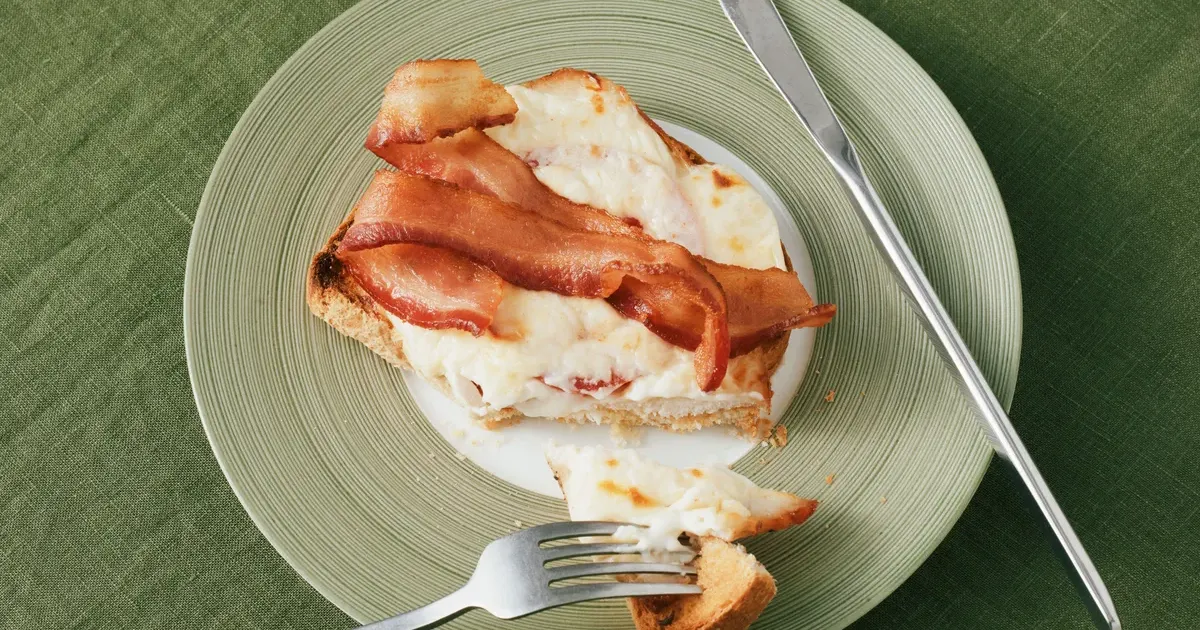
Kentucky racegoers and home chefs began refining their traditional menus on April 3, 2026, ahead of the annual horse racing spectacle in Louisville. Professional kitchens across the Bluegrass State are currently stockpiling heavy cream, sharp cheddar, and high-proof bourbon to meet the demands of an international audience. Churchill Downs hospitality teams project that the consumption of specific regional dishes will reach a five-year peak during the upcoming festivities. Logistics managers at major catering firms have already secured contracts for thousands of pounds of roasted turkey and salt-cured country ham. Demand for these specific ingredients drives a significant part of the local agricultural economy during the spring quarter. Vendors rely on these predictable surges to offset quieter winter months.
Kentucky Hot Brown Origins and Modern Preparation
Culinary experts frequently cite the Kentucky Hot Brown as the primary savory foundation of the Derby experience. Invented in 1926 by Chef Fred Schmidt at the Brown Hotel, this open-faced sandwich was designed to provide sustenance for patrons dancing late into the night. Authentic versions require a precise Mornay sauce, which is a béchamel enriched with Pecorino Romano or Parmesan cheese. Replicating the original texture involves whisking milk into a butter and flour roux until it reaches a specific viscosity that can withstand the high heat of a broiler.
Slices of roasted turkey breast and crispy bacon strips provide the protein foundation on top of toasted thick-cut bread. Kitchens in Louisville often add pimento or tomato wedges to provide a visual contrast to the rich, pale sauce.
Technical execution of the Mornay sauce determines the success of the dish. While Epicurious documentation suggests the Hot Brown can serve as a post-holiday lunch, its association with the first Saturday in May remains its strongest cultural link. High-end restaurants in the city center expect to serve over 2,000 units of the sandwich in a single 48-hour period. Staffing levels in these establishments increase by 40 percent to handle the prep work required for the sauce and the hand-carved turkey. Suppliers of Pecorino Romano report a 15 percent price increase in the weeks leading up to the race. These cost fluctuations reflect the intense localized demand for specific dairy products.
For Derby Day indulgence or a post-Thanksgiving lunch, this Kentucky favorite can’t be beat.
Schmidt’s original recipe has seen variations involving different breads or the addition of mushrooms, but traditionalists reject these modifications. Maintaining the integrity of the Mornay sauce prevents the bread from becoming overly saturated during the final broiling stage. Proper heat distribution in the oven ensures the cheese forms a golden crust without scorching the delicate turkey meat underneath. Many chefs prefer using 12-inch cast iron skillets for individual servings. This method retains heat longer than standard ceramic plates.
Mint Julep Dynamics and Spirit Culture
Beverage programs for the 2026 event focus heavily on the mint julep, a drink that has been synonymous with the track since 1939. Churchill Downs officials anticipate serving approximately 120,000 juleps over the two-day period including the Kentucky Oaks. Constructing a proper julep requires crushed ice, which provides the necessary surface area to frost the exterior of a silver or pewter cup. Modern recipes from Bon Appetit suggest a sparkling variation using club soda or champagne, though the official track version utilizes a specific syrup. The dilution of the bourbon must be controlled by the density of the ice pack. Large, clear ice cubes are unsuitable for this specific application.
Bourbon selection provides the backbone for the cocktail’s flavor profile. Woodford Reserve is the presenting sponsor, but individual boxes and private parties often feature rare expressions from Buffalo Trace or Old Forester. Spearmint leaves must be gently pressed rather than shredded to release essential oils without introducing bitterness. Over-muddling the mint leaves can ruin a high-value spirit by releasing chlorophyll. Bartenders at elite hospitality suites begin prepping thousands of mint sprigs three days before the gates open. Each sprig is trimmed and stored in damp towels to maintain turgidity. This prevents the garnish from wilting in the humid Kentucky spring air.
Economically, the julep is a high-margin item for the venue. A standard julep at Churchill Downs retails for $15, while souvenir cups with premium bourbon can exceed $1,000 in the charity-focused bars. Local distilleries time their limited-edition releases to coincide with the influx of wealthy tourists. Logistics firms transport hundreds of tons of ice to the track daily to ensure every drink is served at the correct temperature. Shortages of crushed ice have historically caused delays in the infield bars. Procurement teams now use dedicated refrigeration trucks to reduce this risk.
Regional Appetizers and Pimento Cheese Innovations
Savory snacks like the pimento cheese ball serve as the entry point for many Derby parties. This spread combines sharp cheddar, mayonnaise, and diced pimentos into a malleable base that can be rolled in toasted pecans. Regional variations sometimes include a splash of bourbon or a dash of cayenne pepper for heat. Bon Appetit includes this recipe in its core Derby collection, noting its portability for outdoor viewing. Catering companies report that pimento cheese is the most requested appetizer for private jet arrivals at Louisville International Airport. Its stability at room temperature makes it ideal for long hospitality windows. Production scales up in April as grocery stores stock pre-made containers for local residents.
Benedictine spread offers a lighter alternative to the heavier cheese-based options. Developed by Louisville caterer Jennie Benedict in the early 20th century, the mixture uses cucumber juice and onion juice blended with cream cheese. A drop of green food coloring traditionally identifies the spread, though modern organic versions use spinach juice for the same effect. Sandwich fillings often combine Benedictine with thin slices of white bread and crusts removed. These finger sandwiches are a staple of the garden parties held in the historic districts of Old Louisville. The cucumber must be thoroughly drained to prevent the cream cheese from becoming watery. The technical step is essential for maintaining the structure of the tea sandwiches.
Southern Dessert Profiles and Caramel Cake Standards
Dessert menus at the Derby prioritize high-sugar items that can be prepared in advance. The caramel cake is a frequent centerpiece, featuring multiple layers of yellow cake bonded by a cooked caramel icing. Achieving the correct consistency for the icing requires boiling sugar, butter, and milk to the soft-ball stage. If the temperature is too low, the icing will run off the cake; if too high, it becomes brittle. Pastry chefs often use candy thermometers to ensure accuracy within a single degree. The focus on precision separates professional versions from amateur attempts. Many families pass down specific copper pots used exclusively for caramel production.
Derby pie, a registered trademark of Kern’s Kitchen, remains a controversial but essential item. The tart contains chocolate chips and walnuts in a custard base, though many home cooks substitute pecans. Legal protections around the name mean that other bakeries must sell their versions as horse race pie or chocolate nut tart. The intellectual property battle has lasted for decades. Sales of these tarts peak in the 72 hours before the race. Local bakeries often operate 24-hour shifts to meet the demand from tourists wanting to take a piece of Kentucky home. The density of the filling allows the pies to be shipped globally without meaningful damage.
The Elite Tribune Strategic Analysis
Why does a sophisticated global audience continue to obsess over a sandwich drenched in cheese sauce and a drink that is mostly ice? The answer is not found in the culinary complexity of the Kentucky Hot Brown or the mint julep, but in the calculated maintenance of a manufactured southern identity. Louisville has mastered the art of selling a specific, sanitized version of the 1920s to the highest bidder. These recipes are not mere food; they are props in a theatrical production that generates over $400 million in regional economic impact annually. By anchoring the event to rigid culinary standards, the organizers ensure that the experience remains predictable and, more importantly, marketable.
The tension between authentic heritage and commercial necessity is visible in every $1,000 julep cup. While the source material from Bon Appetit and Epicurious focuses on the joy of preparation, the reality is a brutal logistical exercise. The dairy and spirit industries in Kentucky have become subservient to a single weekend of excess. We see a region that defines its cultural worth through the precise viscosity of a Mornay sauce. It is not tradition, it is a brand. If the quality of the pimento cheese or the temperature of the bourbon fluctuates, the illusion of the Southern aristocrat crumbles.
The stakes for the chefs are as high as they are for the trainers on the track. One broken sauce can tarnish a reputation faster than a last-place finish. It is a performance of hospitality that masks a cold, hard-coded economic engine.