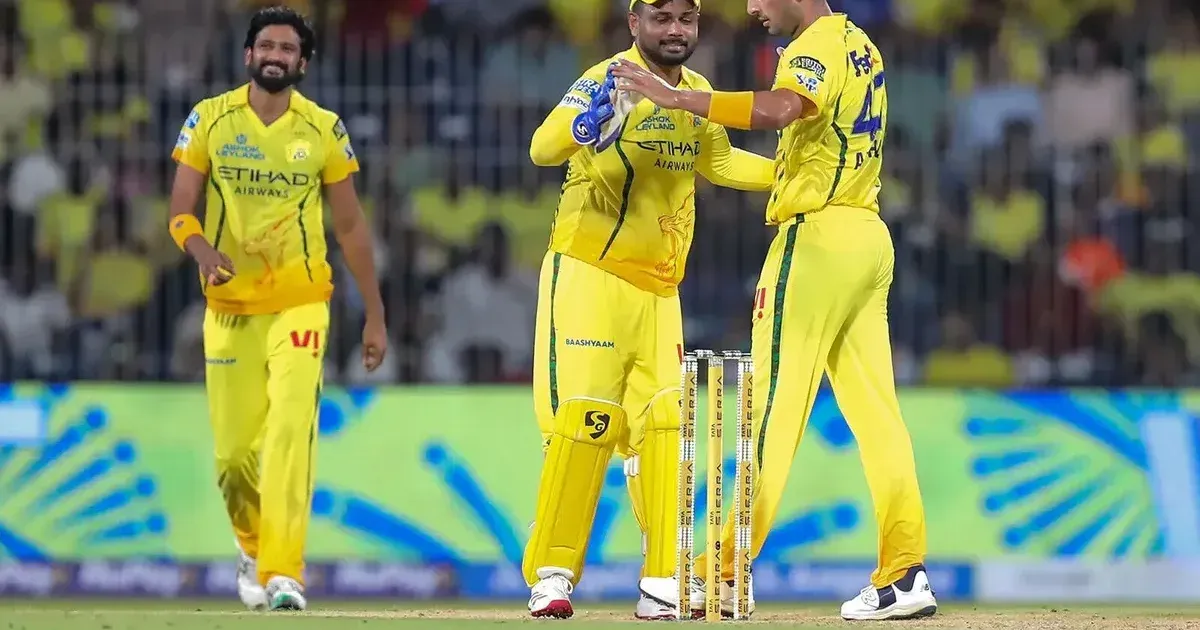
Khaleel Ahmed has been ruled out of the rest of IPL 2026 with a leg injury, leaving Chennai Super Kings to adjust their bowling plans at a difficult point in the season. Team management had been waiting for medical clarity before deciding how much of the attack needed to change. The injury leaves Chennai with a practical squad-management problem before the next fixtures. The confirmation on April 16, 2026, ended hopes of a quick return after the left-arm seamer suffered a serious quadriceps problem. For a franchise built on role clarity, losing a specialist changes both matchups and overs planning. Khaleel Ahmed gives Chennai a left-arm angle that can disturb right-handed top orders and create wicket chances with the new ball.
CSK Lose a Bowling Option
Chennai Super Kings now have to decide whether to replace like-for-like or rebalance the attack around available Indian and overseas options. That choice affects batting depth, death bowling and powerplay aggression. Chennai Super Kings often prefer stable roles, but injuries force tactical compromise. A replacement may cover overs without fully copying Khaleel's angle or rhythm. The injury also matters for workload management. Other bowlers may have to take less comfortable phases, especially if Chennai want to preserve control at both ends of an innings.
Season Planning Changes
For Khaleel, the priority becomes recovery rather than rushing back for a short-term appearance. Quadriceps injuries can linger if a fast bowler returns before strength and stride mechanics are fully restored. The IPL 2026 table pressure will not wait, but Chennai's response has to be practical. A panicked reshuffle could create more problems than the injury itself. The franchise still has experience and options. The challenge is replacing a specific bowling profile without making the whole XI less balanced. Khaleel's absence matters because left-arm seamers alter batting plans. They create different angles to the stumps, change release points and can make right-handed batters adjust lines early in an innings. Replacing that profile is not as simple as choosing the next available bowler. Chennai also have to consider how the injury affects overseas combinations. If the replacement comes from one role, the team may have to compensate elsewhere with batting depth or spin coverage. Small selection changes can reshape an entire XI. The player's own recovery timeline should remain separate from the franchise's urgency. Fast bowlers rely on stride strength, landing stability and repeatable mechanics. Returning before the quadriceps is fully ready could turn one injury into a longer pattern. CSK's advantage is experience. The franchise has handled injuries before by simplifying roles and trusting senior players. The next challenge is doing that again without losing the new-ball pressure Khaleel was expected to provide. Khaleel's injury also narrows Chennai's tactical flexibility against right-heavy batting orders. A left-arm seamer can pull batters across the crease, create awkward angles for lbw and bowled dismissals, and force captains to think differently about matchups. Losing that option makes the attack more predictable unless another bowler changes his role. The replacement decision will reveal how CSK view the rest of the season. They can look for a direct bowling substitute, strengthen batting and trust existing bowlers, or alter combinations depending on venue. None of those choices is perfect because each shifts pressure somewhere else. For Khaleel, the long-term goal is to return without compensation injuries. Fast bowlers often struggle when they rush back from leg problems because one altered stride can affect rhythm, back stress and release point. Chennai need him healthy beyond one campaign, even if the current season makes patience difficult. The injury also affects Khaleel's own momentum. IPL seasons are short, and missing one can influence national-team conversations, franchise value and confidence. Still, a left-arm quick who returns properly is more valuable than one who rushes back and loses pace or control. CSK's immediate problem is selection, but the player's longer problem is rebuilding strength without letting the injury change his action. That recovery work will matter well beyond this campaign. For Chennai, the cleanest response is to avoid overcorrecting. One injury should not force the side to abandon its wider method, but it does require a sharper plan for the overs Khaleel would have handled.
The injury removes one option, but it does not remove Chennai's season. The Super Kings still have enough bowling depth to cover the vacancy if they use a stable replacement plan and give Khaleel Ahmed the time needed for a full recovery.
The next selection decision should focus on who can provide reliable overs in both the powerplay and the death phase. A measured adjustment would preserve role clarity and avoid a broader reshuffle after one injury.