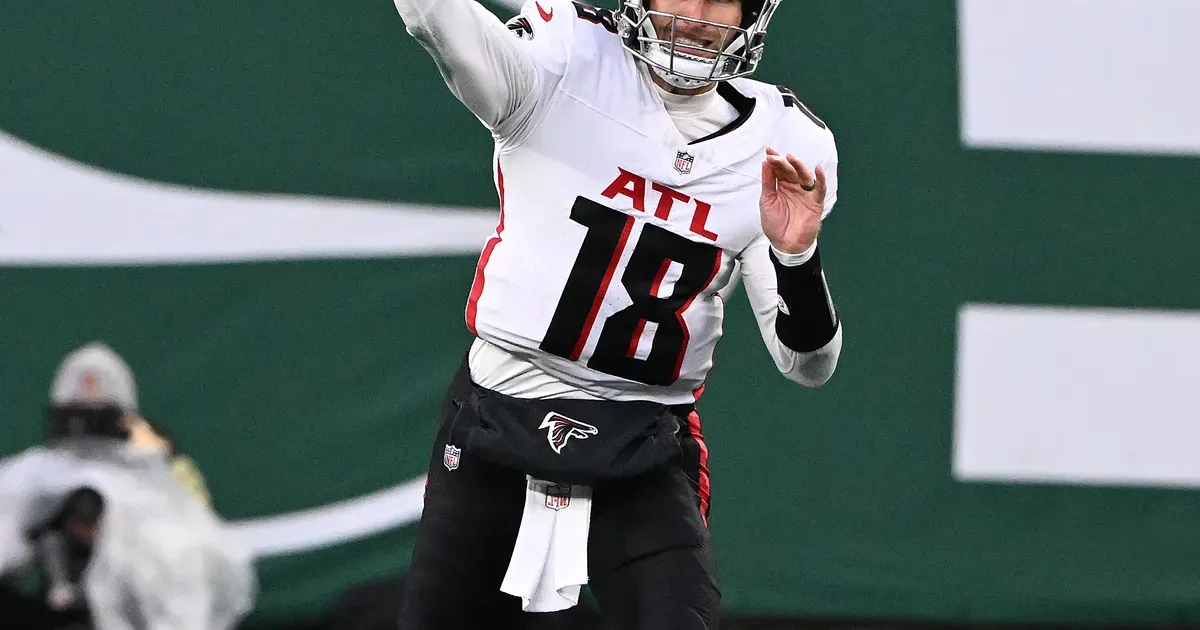
Kirk Cousins gives the Las Vegas Raiders something every team with a No. 1 overall quarterback wants and rarely gets: time. Fernando Mendoza can enter his first NFL training camp without the organization needing him to solve every protection call, coverage disguise and bad third down by September.
This is the clean version of the plan. The messier version is that quarterback rooms do not stay theoretical for long. Cousins is not just a classroom assistant. Mendoza is not an ordinary backup. Aidan O'Connell still matters to the roster math. Klint Kubiak has to turn that mix into an offense before the depth chart becomes a weekly referendum.
Kubiak Wants a Controlled Opening
Kubiak's connection to Cousins makes the veteran bridge logical. Cousins can handle protections, timing throws, huddle rhythm and the ordinary mechanics that keep an offense functional while a rookie learns the speed of Sundays.
Cousins is a stabilizer, not the long-term answer. The Raiders are trying to avoid turning Mendoza's first months into survival training behind a new staff, a rebuilt roster and a fan base that will naturally want to see the top pick as soon as the first bad quarter arrives.
Mendoza Needs More Than Observation
Mendoza arrives with franchise expectations after going first overall, and current reporting around his rookie-contract timing shows how quickly even normal administrative steps can become a storyline. Being unsigned in mid-July is not automatically alarming, given recent No. 1 pick history, but it adds another reminder that the rookie clock is already public.
Sitting can help only if the Raiders make the time active. Mendoza needs practice reps, installation ownership, correction after mistakes, red-zone work, blitz answers and a clear plan for how his role grows. Watching Cousins prepare is useful. Becoming ready requires more than watching.
Cousins Is Not a Prop
The mentor label is convenient from the outside, but Cousins has already pushed back on the idea that his job is simply to tutor the rookie. The distinction matters. A veteran quarterback with his resume is not in Las Vegas only to narrate the future for someone else.
The Raiders need him to play well enough that the offense can be judged honestly. If Cousins is competent, the staff can evaluate the line, receivers, play-calling and defense without every failure being explained away as rookie turbulence. If he struggles, the bridge turns into a countdown.
The Locker Room Will Judge the Process
Veterans can accept a rookie future if the present starter is chosen for football reasons. They will not respect a depth chart managed by public relations. Kubiak has to be direct inside the building: Cousins starts if he gives the team the best Week 1 chance, and Mendoza moves closer only when the football case is real.
O'Connell complicates the back end of the room. Keeping him could protect the Raiders if they want Mendoza inactive or insulated early. Moving him could simplify roles but reduce insurance. Either way, the decision has to match the development plan rather than fan noise.
The Schedule Will Pressure the Plan
Bridge-quarterback plans usually sound better in spring than they feel after losses. If Cousins wins, the rookie waits. If Cousins throws interceptions or the offense stalls, the crowd starts counting Mendoza snaps. A difficult stretch of opponents can make patience look like denial, while a soft stretch can make the staff too comfortable.
Las Vegas bought itself time, not peace. The only way the arrangement works is if the Raiders treat Mendoza as the future without turning Cousins into a disposable placeholder. The balance will define the season before playoff talk has any meaning. The franchise needs a Mendoza plan before emotion starts writing one for it.