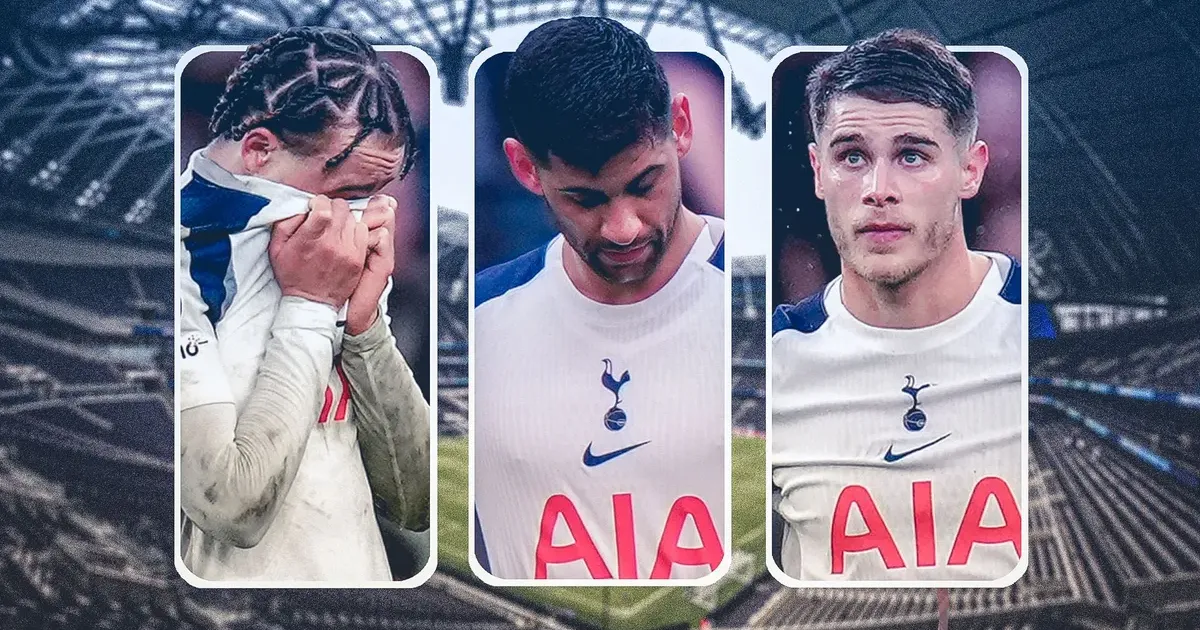
Roberto De Zerbi's Tottenham project is no longer being judged only against the panic of last season's relegation scare. Survival gave Spurs a way out. The summer spending has removed most of the excuses. Once a club that finished so close to disaster starts committing more than GBP200m to ready-made players, the conversation changes from rescue to delivery.
De Zerbi now faces that pressure. Tottenham stayed in the Premier League, but supporters did not watch that escape and conclude that the structure was healthy. They saw a club with a world-class stadium, elite training facilities, major commercial income and expensive players reduced to basic survival. The rebuild has to prove that the scare was a turning point, not a warning ignored.
Survival Was Only the Start
Staying up can create relief, but it should not create comfort. Tottenham avoided the immediate catastrophe of relegation, yet the same questions remain: midfield control, defensive spacing, leadership, squad age, injury depth and the emotional collapses that turned ordinary matches into crises.
De Zerbi helped stop the fall, which matters. James Maddison and Conor Gallagher were among those who credited his arrival with changing the mood. But rescue work and reconstruction are different jobs. A manager can steady a frightened team through six matches and still face a larger job building a side that does not live near the bottom again.
Spending Has Changed the Argument
The transfer market has raised the standard. Reports put Tottenham's summer outlay around GBP230m or more, including huge fees for Sandro Tonali, Mateus Fernandes and Jan Paul van Hecke. Free-agent additions such as Andy Robertson and Marcos Senesi also pointed toward experience rather than a slow youth-only reset.
The level of backing changes how De Zerbi will be judged. A manager who receives premium signings cannot speak only about philosophy, courage and process. The team has to look better quickly. Supporters will accept some adjustment pain, but they will not accept another expensive squad playing as if it is waiting for something to break.
The Squad Is Being Built for Now
Tottenham's business suggests urgency more than patience. Tonali is not a future-project signing. Fernandes and Van Hecke arrived at prices that demand immediate relevance. Robertson and Senesi bring experience for a dressing room that needs adults in pressure moments. This is not a rebuild hidden behind academy timelines.
The approach can work if the football idea is coherent. It can also become another Spurs contradiction: a club buying ready-made players without settling the structure underneath them. The question around the spending is unavoidable. Is Tottenham building a team for now, a squad for later, or simply buying its way out of embarrassment?
De Zerbi's Football Needs Protection
De Zerbi's style demands bravery on the ball, precise spacing and trust under pressure. At its best, it can pull opponents apart and make a team look like it has an extra player in midfield. At its worst, it invites turnovers in zones where a fragile side cannot afford them.
The rebuild therefore cannot rely only on attacking romance. Spurs need build-up patterns, but they also need rest defense, recovery speed and enough game management to survive bad spells. Last season's fear concerned not just quality but how quickly the team looked unstable after conceding or losing control.
Supporters Need Standards, Not Spectacle
Tottenham's commercial machine makes the football decline harder to excuse. The stadium, hospitality operation and global profile sell ambition every week. The commercial polish becomes a problem when the team looks disorganized. Supporters can admire revenue growth and still ask why the pitch product keeps lagging behind the brand.
De Zerbi's loyalty and public commitment matter only if they become standards. The club does not need another speech about projects. It needs a team that presses with purpose, defends like it has been coached and stops treating resilience as an optional trait.
The First Month Will Cut Through the Talk
The first league month will say more than the summer narrative. Shape, selection, set-piece defending, midfield balance and substitutions will show whether Tottenham learned anything from the scare. New signings will get attention, but the deeper issue is whether the team finally has a working order.
De Zerbi now has backing, control and a squad being built for immediate improvement. Backing and control offer a better position than crisis management, but it is also a sharper one. The rescue gave him credit. The spending gives him responsibility. Tottenham's next season will be judged by whether those two facts meet on the pitch.