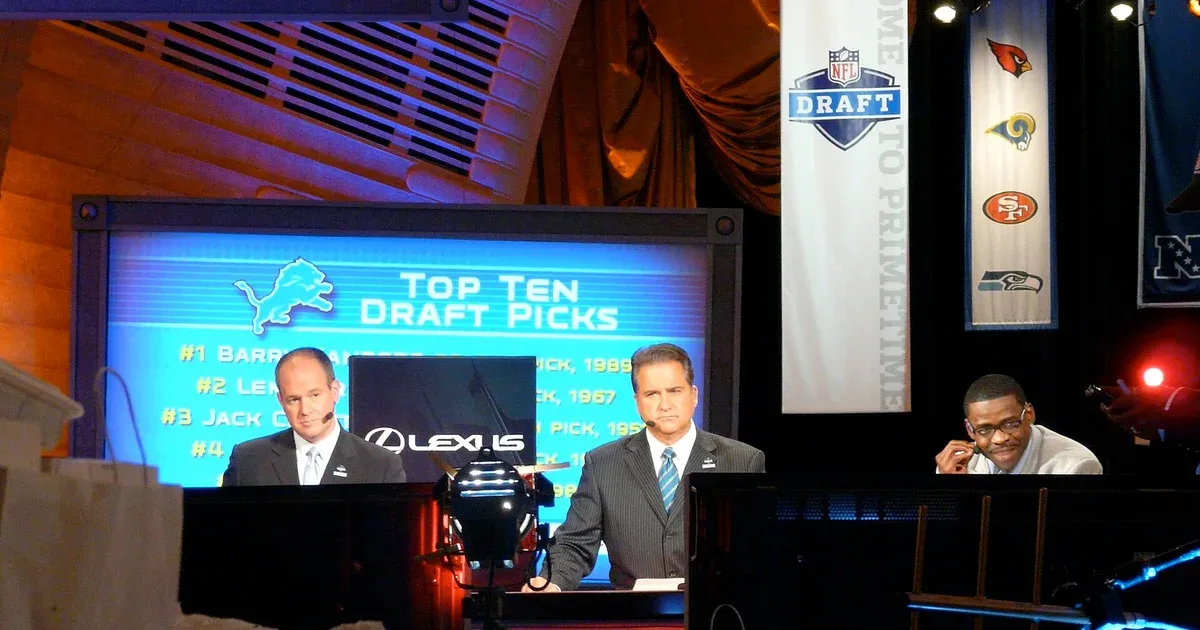
The 2026 NFL quarterback class has already moved from projection to pressure. Fernando Mendoza went first overall to the Las Vegas Raiders, Ty Simpson landed with the Los Angeles Rams in Round 1 and the next group, including Carson Beck and Drew Allar, turned into the kind of Day 2 debate that always tests how teams separate upside from readiness.
The selections make the old pre-draft argument more concrete. Analysts were right to focus on pocket discipline, processing, team fit and development path rather than arm talent alone. Once the picks are made, those traits stop being scouting vocabulary and become organizational responsibilities. A young quarterback is no longer an abstract grade. He is a plan the franchise has to execute.
Mendoza Carries the No. 1 Pick Burden
Mendoza's top-pick status changes the timeline immediately. The Raiders did not draft him as a speculative swing. They drafted him as the center of a rebuild and then had to manage the first practical question: contract timing before training camp. Reports in mid-July noted that Mendoza remained unsigned, a detail that was not necessarily alarming by itself but still mattered because rookie installation time is precious.
The football question is larger than paperwork. A No. 1 quarterback gets evaluated through every practice rep, every protection call and every camp report. The arm and college production earned the selection. The decisive question is whether the Raiders can give him a coherent offense, stable coaching and enough protection to let development happen before public impatience takes over.
Simpson Is a Fit Bet
Simpson's path with the Rams is different. He was not the first quarterback taken, but a first-round commitment still carries a serious development bill. Pre-draft analysts liked parts of his profile, including pocket movement and experience working under center, but the question was how much one full season as a starter should count against a player with NFL traits.
Team fit matters at this stage. A quarterback with tools but limited starting volume needs a staff that can control the early menu, protect him from bad downs and build confidence through repeatable concepts. The Rams are betting that environment can narrow the gap between projection and performance. The fit bet may be rational, but it is still a bet.
Day 2 Quarterbacks Are Different Bets
Carson Beck and Drew Allar illustrate the next tier of the class. Once quarterbacks slide beyond the first round, the conversation changes. The contract is cheaper, the pressure is lower and the team may not need an immediate starter. The risk is that the same patience that makes the pick attractive can also become avoidance. A developmental quarterback still needs reps, coaching attention and a clear path.
Beck's selection by Arizona over other available passers showed how much teams can differ on the same tape. One club may value accuracy, size, experience or scheme comfort differently from another. Differences in evaluation explain why consensus boards often fall apart at quarterback. The position is too dependent on what a team believes it can fix.
Mock Drafts Exposed Team Pressure
The pre-draft simulations still had value because they showed how quickly quarterback need can distort boards. Once Mendoza and Simpson occupied the top slots, teams looking for the next answer had to decide whether Beck, Allar, Garrett Nussmeier or another passer belonged in their range. Quarterback need can push clubs to talk themselves into a grade because the alternative is another year without a plan.
Positional value makes the gamble understandable. A good quarterback on a rookie contract changes a franchise's salary-cap math and competitive window. But reaching for the position can cost a roster years if the player is not ready and the team has no development structure. Quarterback value does not erase quarterback risk.
Training Camp Turns Reports Into Evidence
By July, the discussion shifts from pro-day throws to installation. Teams learn whether a rookie can explain protections, correct mistakes, handle blitz periods and recover from bad practice stretches. Coaches learn whether mechanical fixes are small adjustments or deeper habits. Teammates learn whether the quarterback's confidence is useful or performative.
The 2026 class should therefore be judged slowly. Mendoza, Simpson, Beck and Allar were drafted for different reasons and into different levels of pressure. The tape identified talent and flaws. The next phase will show whether the organizations around them can turn projection into playable football. Organizational development was always more demanding than the mock draft.