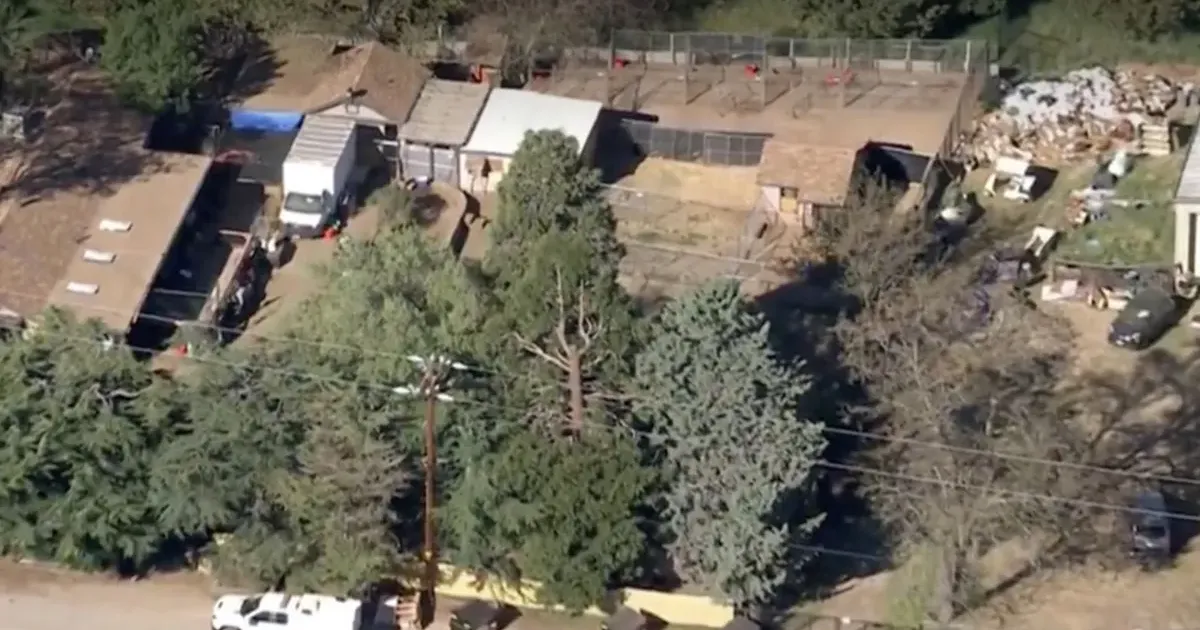
Los Angeles County Department of Animal Care and Control workers entered a property in the 46000 block of 266th Street West to execute one of the largest seizures in municipal history. Investigators removed 400 dogs and 300 cats from the site during the early morning operation. Multiple transport vehicles and dozens of animal control officers were required to manage the sheer volume of living evidence. The raid began at exactly 7 a.m. Los Angeles workers turned a dangerous site into a mass animal rescue. Officers discovered the 700 animals living in crowded, improvised structures across a sprawling rural lot in the high desert. Initial reports from personnel on the ground suggest many of the creatures lacked access to basic veterinary care or clean water. Personnel from several neighboring law enforcement jurisdictions provided security while animal handlers worked the perimeter. The property owner remains under investigation by local authorities.
Shelter Capacity Becomes the Crisis
Meanwhile, the logistical challenge of processing hundreds of dogs and cats forced the county to activate emergency triage protocols. Staging areas were established near the property to provide immediate medical assessments for the most distressed animals. Veterinary teams worked through the morning to identify cases of respiratory infection and severe malnutrition. Each animal received a preliminary scan for identification microchips.
In fact, the scale of this seizure surpasses any previous effort by the Los Angeles County Department of Animal Care and Control. Most domestic rescues involve dozens of pets, but this situation required a massive mobilization of county resources. Moving 400 dogs required a fleet of specialized trailers and climate-controlled vans. This Antelope Valley location had been under departmental surveillance for several months.
Executing a warrant of this magnitude required coordination between animal enforcement and the Sheriff's Department. Deputies secured the entry points of the 266th Street West property before animal handlers moved toward the primary enclosures. Resistance from the residents was minimal, though the noise from hundreds of barking dogs created a major auditory hurdle for the team. Staffing for the operation included behaviorists trained to handle aggressive or fearful animals.
Separately, the department had to source hundreds of empty crates on short notice to enable the move. Many of the cats were found in stacked carriers that appeared to have been stationary for long periods. Workers documented the condition of every cage and room to build a detailed legal file. These records will form the basis of the prosecution's case regarding living conditions and neglect. By contrast, the physical extraction took nearly six hours to complete under the desert sun. Officers wore protective suits to reduce the risk of zoonotic diseases commonly found in hoarding environments. Heat in the Antelope Valley region poses an additional risk to animals already suffering from dehydration. Water tankers were brought to the site to provide immediate relief.
Animal Welfare Standards and Legal Violations
Local residents had previously filed complaints regarding the smell and noise emanating from the property. Records show that zoning for the 46000 block of 266th Street West does not allow for a kennel of this size. Investigators are looking into whether the site operated as an unlicensed non-profit rescue or a commercial breeding facility. Penalties for operating without a license in Los Angeles County include heavy fines and the permanent revocation of animal ownership rights.
Still, the legal distinction between a rescue and a hoarding situation often relies on the standard of care provided to each individual animal. California law requires that animals have adequate food, water, and shelter from the elements. If a court finds that the owner willfully withheld these necessities, felony animal cruelty charges may follow. The district attorney's office is currently reviewing the evidence gathered during the morning raid.
Yet, the complexity of the case increases when dealing with 400 dogs of varying breeds and temperaments. Some animals appeared to be purebred, raising questions about the source of the population. Investigators are cross-referencing intake logs from other regional shelters to see if these animals were pulled from municipal facilities. This practice, known as rescue-pulling, is often used by organizations to clear space in high-kill shelters.
Housing Crisis for Rescued Dogs and Cats
For one, the current county shelter system is already operating near capacity. Absorbing 700 new animals overnight places an immense strain on the seven existing care centers managed by Marcia Mayeda, the director of the department. Emergency enclosures are being erected in parking lots and warehouse spaces to accommodate the influx. The Department has issued an urgent call for foster volunteers to take in existing shelter residents.
To that end, the financial burden of the operation could exceed $1.2 million in the first month alone. This figure includes the cost of food, medical supplies, and the overtime pay for animal control officers. The county board of supervisors may need to approve an emergency budget allocation to cover these unforeseen expenses. Daily care for a single dog in a municipal facility averages thirty dollars. A 700-animal seizure is both rescue and indictment. It shows worker capacity under pressure, but it also exposes how long neglect can scale before intervention arrives.