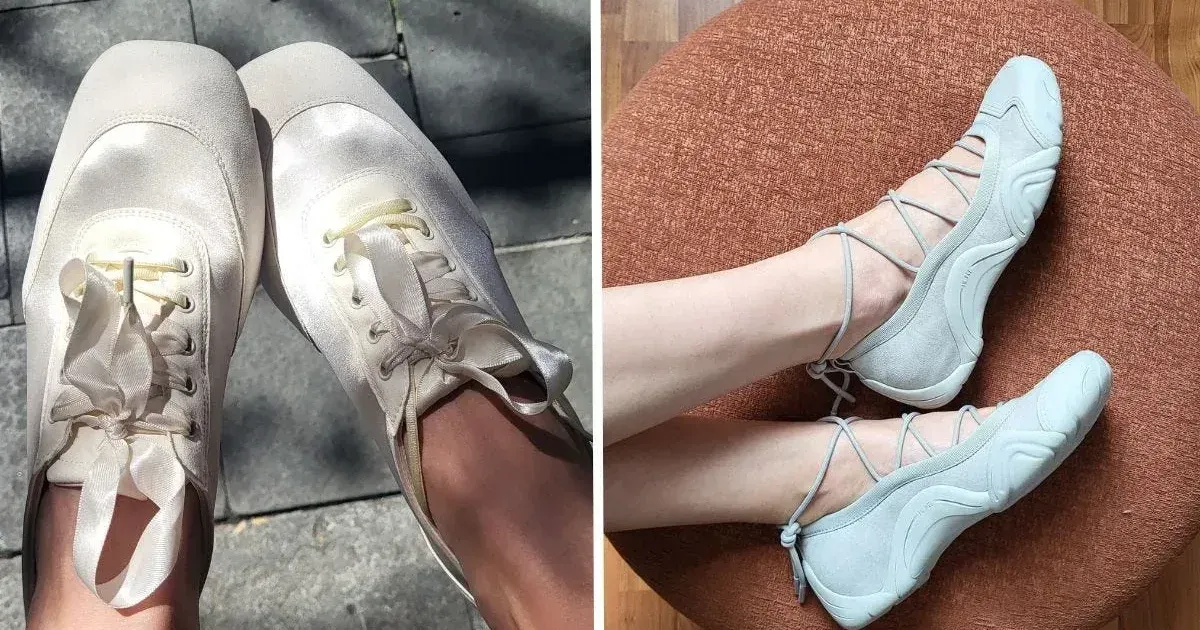
JW Pei reported a sharp increase in order volume because urban centers saw a spike in the adoption of hybrid ballet footwear. Consumer preferences shifted toward utilitarian aesthetics during the spring retail cycle, driving demand for shoes that combine athletic functionality with feminine silhouettes. By April 19, 2026, the trend had moved from runway styling into a practical urban footwear bet. Data from retail tracking agencies indicates that high-density fashion hubs like Copenhagen and New York City are the primary drivers of this trend. Analysts note that the market for hybrid shoes expanded by 14% compared to the previous fiscal quarter. Retailers are now scrambling to restock inventory as the season progresses.
Danish fashion influencers first popularized the pairing of technical sportswear with delicate aesthetics on digital platforms. This movement, often characterized by the contrast of heavy fabrics and light footwear, created a vacuum for a product that could handle cobblestone streets while maintaining a specific visual identity. TikTok metrics show that searches for sneakerinas increased fourfold since the start of the current year. Digital trends translate into physical sales with striking speed in the modern economy. Footwear manufacturers noticed the shift and pivoted production lines to accommodate the hybrid style. Global shipping data confirms a 22% rise in ballet-inspired sneaker exports from Southeast Asian manufacturing hubs.
Retailers in SoHo and the West Village report that traditional sneakers are losing shelf space to these lighter, more decorative alternatives. Sales associates at luxury boutiques describe a customer base that prioritizes versatility over specialized performance. Professional women are seeking footwear that transitions from a corporate environment to social gatherings without a change of shoes. Market saturation for standard white sneakers pushed designers to innovate within the balletcore niche. Several boutique brands now offer variations featuring ribbons, mesh, and metallic finishes. Demand shows no signs of plateauing before the summer solstice.
Retail Footwear Influence
The luxury label catalyzed the current market environment when it debuted satin flats on the Paris runway several seasons ago. High-end designers often set the tone for mass-market adaptations that follow months later. Satin and silk materials, while visually appealing, proved impractical for the daily commute of an urban professional. Footwear engineers solved this durability gap by integrating rubber outsoles and reinforced toe boxes into the ballet flat frame. The result is a shoe that maintains the delicate profile of a dance slipper but functions like a trainer. High-fashion houses paved the artistic path for more affordable retailers to follow.
Production costs for hybrid sneakers vary sharply based on the complexity of the lace-up systems and the quality of the foam footbeds. Modern manufacturing techniques allow for the integration of mesh overlays and rubber toe caps at a relatively low cost per unit. JW Pei positioned its Caitlin Lace-up Ballerina Sneakers at a price point under $100 to target the middle-market demographic. Pricing strategies in the footwear industry often rely on high-volume sales to offset the costs of specialized molds. Lower price points encourage impulsive purchasing behavior among younger consumers. Professional reviewers noted that the Caitlins offer high value for their durability.
Gabrielle Chase wrote:
“I call these my tactical ballet flats because their squared ridges and rubber toe caps remind me of a utility boot.”
She noted that the shoes withstood 12 hours of continuous standing during a music festival without causing blisters. Such endurance tests are critical for establishing brand loyalty in a crowded marketplace. Foam footbeds with airy mesh overlays prevent the overheating common in standard synthetic flats. These technical specifications matter more to modern consumers than brand heritage alone. Narrow toe boxes persist as a common design choice in the industry, forcing consumers to adjust sizing expectations. Most shoppers now rely on digital fit guides to navigate these anatomical variations. Manufacturing tolerances remain tight across the major production facilities in Vietnam.
Breathability is another focus for designers working with synthetic uppers. Mesh overlays serve a dual purpose by providing structural integrity and allowing for passive cooling. Laboratory tests show that mesh-integrated uppers can reduce internal shoe temperature by three degrees during active use. Consumers in warmer climates like Los Angeles and Miami have responded positively to these features. Footwear durability is often measured by the bond strength between the upper and the sole. Chemical adhesives have improved to the point where delamination is rare even in high-flex hybrid designs. Quality control standards are rising across the industry.
Urban Footwear Practicality
The hybrid ballet sneaker works when it solves a narrow consumer problem: a lighter shoe that still handles commuting, standing and city pavement. Its staying power will depend less on runway novelty than on fit, durability and whether midpriced brands can keep quality consistent. The bet will depend on whether comfort can hold luxury pricing beyond the first trend cycle. That durability question now carries the commercial story.