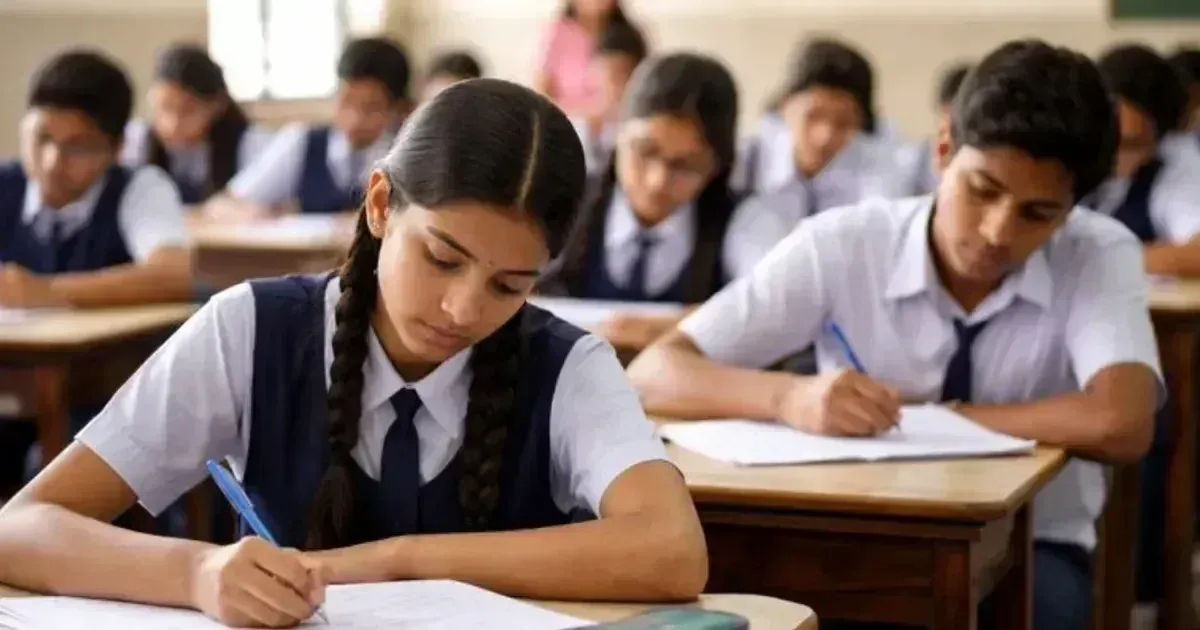
State education officials released the Higher Secondary Certificate results for over 1.5 million students Saturday, marking a major milestone for the Class of 2026. These examination results, traditionally a gateway to higher education in India, show a collective success rate that reflects ongoing adjustments in the regional schooling system. Documents from the Maharashtra State Board of Secondary and Higher Secondary Education confirm the results were made available across multiple digital platforms on May 2, 2026.
Result data confirms an overall pass percentage of 89.78 percent for the current academic year. This figure represents the performance of students across nine divisional boards, including Pune, Mumbai, Nagpur, and Aurangabad. Administrators noted that the scale of the 2026 exercise required substantial technical coordination to manage the traffic of 1,500,000 students seeking their scorecards simultaneously. Data indicates that the majority of these candidates appeared for the Science, Commerce, and Arts streams.
Girls achieved a higher success rate than their male counterparts yet again, maintaining an enduring trend in the state. Statistical breakdowns show that female candidates surpassed boys by a clear margin in overall qualifying marks. Education experts suggest this consistent performance gap highlights shifting demographic advantages in secondary education across both urban and rural districts.
Girls Maintain Lead in Statewide Academic Performance
Female students recorded a superior pass percentage compared to boys, continuing a pattern observed over the last several examination cycles. While the specific point difference varied by division, the broader trend remained uniform across the state. This disparity in performance has prompted educators to analyze the study habits and institutional support provided to different student groups. Results for female candidates were particularly strong in the Science and Arts streams, where they secured top-tier marks in several competitive subjects.
Konkan division was listed among the strongest-performing regions in the state. Known for its consistent academic performance, the coastal division remained ahead of several larger metropolitan regions. Performance metrics for Konkan often reflect smaller student-to-teacher ratios and concentrated educational focus in its various districts. Smaller divisions frequently report higher pass percentages due to more manageable candidate pools and localized administrative oversight.
The Maharashtra HSC Result 2026 records an overall pass percentage of 89.78 percent, with girls continuing to outperform boys by a clear margin.
Division-wise results show varied success rates between the inland and coastal regions. Students in the Mumbai division faced the largest competitive pool, yet they maintained a pass rate consistent with previous state averages. Detailed reports for each of the nine divisions are currently being processed to determine the top individual scorers and subject-wise distinctions. Individual school performance data is expected to be released to institutional heads early next week.
Digital Accessibility and Multi-Channel Result Distribution
Official portals including mahahsscboard.in and mahresult.nic.in were the primary conduits for scorecard downloads. The board also integrated results with the DigiLocker platform, allowing students to access verified digital versions of their mark sheets. The integration serves to reduce the immediate burden on primary servers and provides a permanent, secure repository for academic credentials. Digital certificates stored in these lockers are recognized as valid for university admissions processes across the country.
Messaging services provided a critical alternative for students in areas with inconsistent internet connectivity. Using the SMS facility, candidates received their qualifying status and total marks by sending their seat numbers to designated service codes. Mobile operators across the state cooperated with the education board to ensure these text-based results were delivered with minimal latency. Messaging remains an essential tool for ensuring equitable access to data in rural districts where high-bandwidth web services are not always available.
Standardized passing marks are required for each subject to ensure a student is eligible for the Higher Secondary Certificate. Candidates must secure a minimum of 35 percent in both theory and practical components to qualify for the certificate. Those who failed to meet these requirements in the March 2026 exams will have an opportunity to appear for supplementary examinations later this year. Board officials clarified that the schedule for these re-examinations will be announced within the month.
Regional Performance Disparity and Urban-Rural Gap
Economic and geographical factors influenced the final success rates across the nine administrative divisions. While the Konkan division secured the top spot, other regions like Nashik and Latur showed steady progress in their overall academic standings. Urban centers generally provide more access to private coaching and digital resources, but rural divisions often show higher levels of student dedication despite limited infrastructure. Regional administrators have been tasked with identifying schools with low pass rates to implement remedial measures.
Educational infrastructure, specifically the availability of laboratory equipment and digital classrooms, played a role in the Science stream outcomes. Students in well-equipped institutions generally reported higher scores in practical assessments. However, the state has moved toward a more uniform curriculum to reduce these differences and provide a level playing field for all 1.5 million examinees. Results from the 2026 session suggest that these policy efforts are beginning to stabilize the gap between high-resource and low-resource schools.
Preparation for the university admission season has already begun as students download their official scorecards. Higher education institutions in Maharashtra and beyond typically see a surge in applications immediately following the HSC announcement. Admission portals for major universities are expected to open within the next 48 hours to accommodate the 1.3 million students who successfully qualified. Colleges will use these board results as the primary metric for merit-based enrollment in undergraduate programs.
The HSC Results Confirm a Durable Gender Gap and a Stronger Digital System
The 89.78 percent pass rate highlights the stabilization of the secondary education system after several years of curriculum reform. By achieving nearly a 90 percent success rate, the Maharashtra board has signaled that its evaluation standards are both rigorous and accessible to a broad demographic. The persistence of the gender gap, where girls consistently outshine boys, suggests that national initiatives to support female education are yielding quantifiable results at the secondary level. The trend may eventually require a recalibration of how schools engage male students in traditional academic subjects.
Technological resilience was a secondary win for the board during the 2026 cycle. By diversifying result distribution through DigiLocker and SMS, the state avoided the server crashes that often plagued previous years. The move toward a multi-channel digital strategy reflects a broader government mandate to digitize public records and reduce administrative friction. The transition from physical paper to digital-first academic records is now an established direction in the Indian education sector.