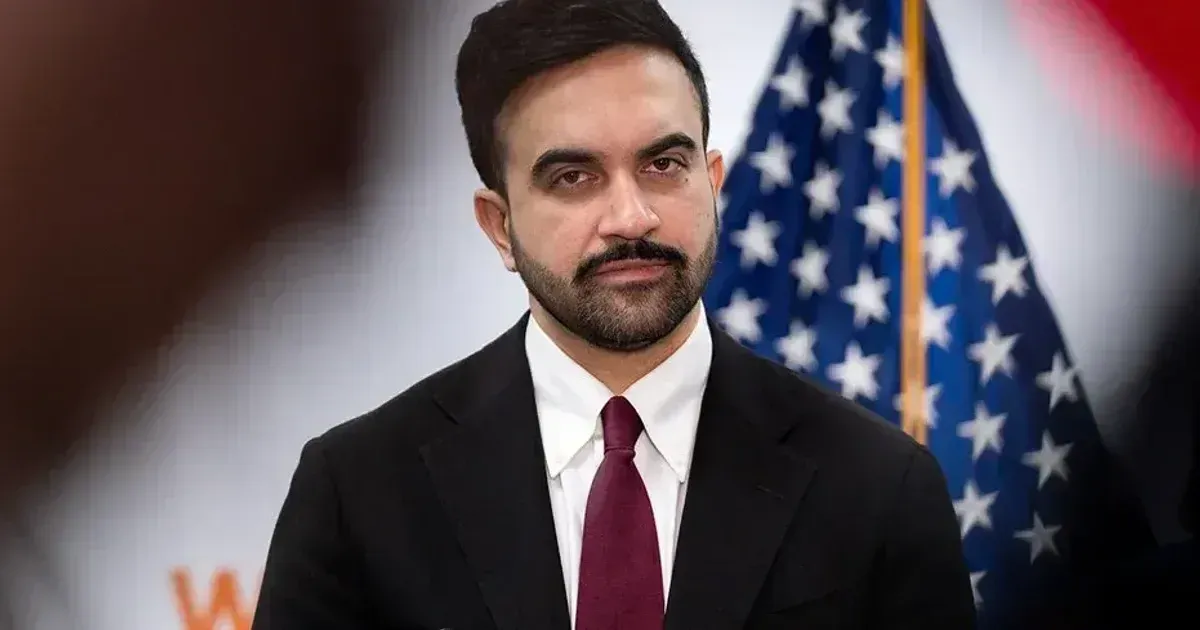
Zohran Mamdani presented a legislative plan that seeks to fundamentally restructure the tax obligations of high-net-worth individuals in New York. The State Assembly member, representing Astoria, argues that the current fiscal framework disproportionately burdens the working class while allowing billionaires to accumulate wealth with minimal social contribution. His proposal focuses on a multi-tiered increase in capital gains taxes and the implementation of a mark-to-market wealth levy on unrealized gains. By March 31, 2026, officials and affected groups were treating the change as a turning point.
Economists at several fiscal watchdogs express concern that these measures could trigger an accelerated departure of the state’s largest taxpayers. New York relies on the top 1% of earners for nearly 42% of its total income tax revenue. Any reduction in this concentration of wealth threatens the viability of public services ranging from education to transportation. The migration of just a few hundred high-earning households could lead to a revenue shortfall exceeding $15 billion annually.
Legislative sessions in Albany have become increasingly disputed as Mamdani and his allies in the Democratic Socialists of America push for these changes. They contend that the revenue generated would fully fund the Metropolitan Transportation Authority and eliminate tuition at the City University of New York. Opponents argue these projections ignore the mobility of modern capital. High earners can relocate their primary residences to jurisdictions with no state income tax with minimal disruption to their business operations.
New York Fiscal Forecast and Wealth Flight
Data from the Internal Revenue Service show a consistent trend of wealth migration from high-tax states to lower-tax environments over the last five years. Florida and Texas have been the primary beneficiaries of this shift. Between 2020 and 2024, New York lost an estimated $25 billion in adjusted gross income to other states. Mamdani characterizes these departures as a form of economic blackmail used to prevent progressive reform. He maintains that the social infrastructure of the city remains the primary draw for talent and investment.
Budget analysts suggest the breaking point for many taxpayers is approaching. Corporate leaders have voiced private concerns to Governor Kathy Hochul regarding the cumulative impact of state and local levies. When combined with federal obligations, the effective tax rate for top earners in New York City can exceed 50 percent. Further increases could make the state an outlier in the global competition for executive talent. Investment firms have already begun moving back-office operations to satellite offices in Nashville and Miami.
Proponents of the wealth tax cite historical precedents where higher marginal rates did not result in mass exodus. They point to the mid-twentieth century when tax rates were considerably higher and the American economy experienced solid growth. Critics counter that the globalized economy of 2026 is vastly different from the 1950s. Capital is no longer tied to physical manufacturing plants or localized distribution networks. A hedge fund manager can move a multibillion-dollar operation with a laptop and a secure internet connection.
Legislative Push for Mamdani Tax Reform
Mamdani remains firm in his belief that the state must confront the billionaire class to survive. He frequently uses social media and public rallies to frame the debate as a moral necessity. His "Invest in Our New York" package includes six specific bills designed to capture what he calls "stolen labor value." One bill targets inherited wealth through a substantial increase in the estate tax. Another seeks to tax the appreciation of assets even if they have not been sold. Broader proposals from New York Democrats have further intensified the ongoing debate regarding the state's budget and fiscal policy.
“Beware of any politician who gleefully celebrates taxation like normal people would a sacred holiday,” a RealClearPolitics commentary stated.
The commentary reflects the growing frustration among fiscal conservatives who view Mamdani’s rhetoric as hostile to the foundations of the state’s economy. They argue that celebrating the extraction of wealth creates a toxic environment for entrepreneurs. Business groups claim that the uncertainty created by these proposals is already depressing investment in new housing developments. Developers are hesitant to commit to long-term projects if the tax landscape is subject to radical shifts every legislative cycle.
Political dynamics in the state legislature are shifting as the progressive wing gains influence. While the Democratic leadership has historically tried to balance social spending with business competitiveness, the pressure from the left is mounting. Primaries in 2024 saw several moderate incumbents replaced by candidates aligned with Mamdani’s fiscal philosophy. This shift has forced leadership to move the goalposts on what is considered a reasonable tax increase. The debate is no longer about whether to tax the rich, but by how much.
Municipal Budget Impact and Public Service Funding
New York City’s municipal budget relies heavily on transfers from the state government. If the state’s revenue takes a hit, the city will be forced to make difficult choices. Mayor Eric Adams has previously cautioned against policies that drive away the tax base. The city’s police, fire, and sanitation departments are already facing budget constraints. A sudden drop in income tax receipts would likely lead to service cuts in every borough. Working-class neighborhoods would feel the impact of these cuts most sharply.
Specific provisions in the Mamdani plan target the real estate industry. A proposed surcharge on luxury properties aims to curb speculative investment. Critics say this will lead to a decline in property values and a subsequent drop in property tax revenue. Property taxes are the largest single source of income for the city. If luxury condos sit empty or sell for lower prices, the entire municipal budget faces a cascading failure. The interdependence of the various tax streams makes radical changes particularly risky.
Voters remain divided on the issue according to recent polling. Younger residents generally support the "Eat the Rich" narrative and prioritize social services over business climate. Older residents and those with higher incomes express deep skepticism. The upcoming election cycle will likely serve as a referendum on this fiscal direction. Candidates are already aligning themselves with either the Mamdani wing or the more moderate establishment. The outcome will determine the economic trajectory of the state for the next decade.
Wealth Tax Feasibility Test
The plan’s challenge is arithmetic as much as ideology. New York can raise revenue from wealth only if the tax base stays long enough to pay it.