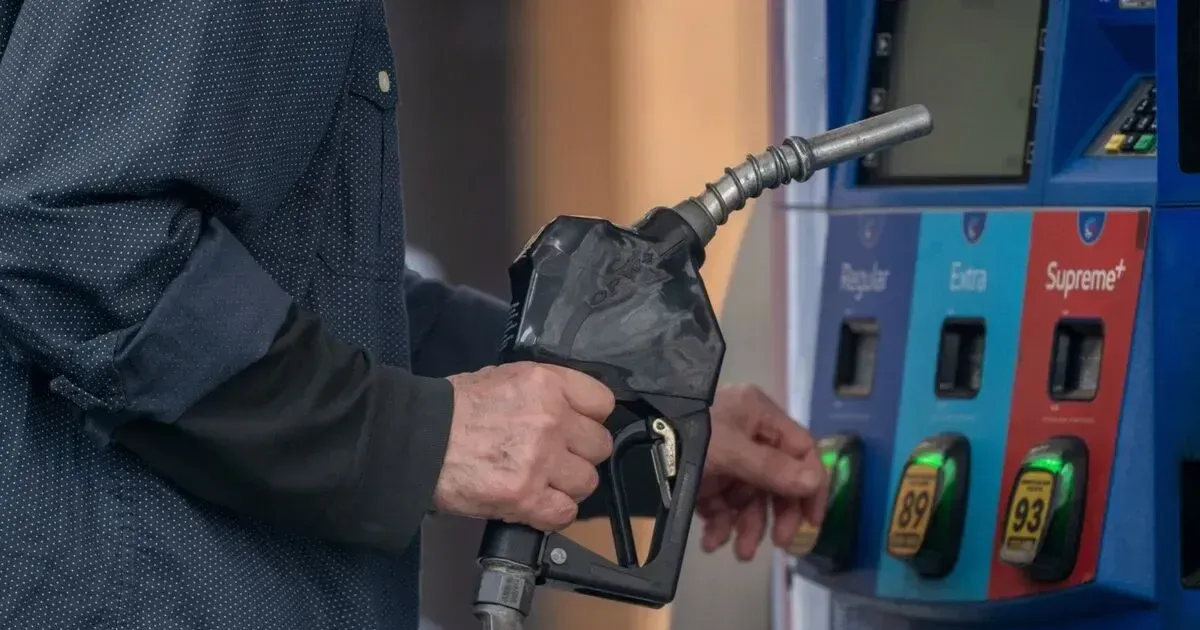
The sales gain will matter more if it survives the next inflation reading. March retail sales strength gives consumers a stronger headline than many forecasters expected. The details still matter because spending can shift quickly under rate and fuel pressure. Retailers across the United States reported on April 21, 2026, that sales jumped the most in a year during March. Americans increased their spending across a broad spectrum of categories, defying the downward pressure exerted by high energy costs. While higher prices at the pump often drain discretionary income, consumers prioritized purchases in other sectors. Data from Bloomberg Economics showed a resilient appetite for goods and services. Households managed to navigate the fallout from international tensions without retreating from malls or digital storefronts.
March witnessed a surge in transaction volumes that surprised many analysts who expected a pullback. Department stores and electronics retailers saw double-digit growth in specific regions. Online shopping platforms continued to capture a larger share of the household budget. Apparel retailers reported their strongest spring season since the start of the decade. Consumers appear to be dipping into savings or relying on stable wage growth to fund these purchases. Total receipts increased sharply, outpacing the internal rate of inflation for the third consecutive month.
March Retail Sales Growth and Sector Analysis
Consumer spending patterns shifted away from a narrow focus on essentials toward more diverse luxury items. Households invested in home improvement projects and upgraded personal technology at levels not seen since 2024. Spending on sporting goods and hobby materials also rose by 4.2% compared to February. This increase suggests that families are still prioritizing leisure despite the geopolitical climate. Financial reports from major big-box retailers indicate that inventory levels are finally aligning with this new wave of demand. Supply-chain bottlenecks have largely cleared, allowing stores to keep shelves stocked with popular electronics.
Dining out and travel-related expenses also contributed to the upward trend in March. Restaurants reported a 3.8% rise in revenue as warmer weather encouraged social gatherings. Airline ticket sales remained steady despite higher jet fuel costs being passed on to travelers. Business travel has returned to pre-pandemic levels, strengthening the services side of the retail ledger. Families are choosing to spend on experiences just as much as physical products. Credit card data confirms that the average transaction size grew by 1.5% during the month of March.
E-commerce continues to dominate the growth trajectory of the retail sector. Digital platforms recorded a 6.1% jump in sales as convenience outweighed the desire for in-person browsing. Delivery logistics have improved, with same-day shipping becoming the standard for major urban centers. Smaller independent retailers are also adopting sophisticated digital tools to compete with national chains. These technological adoptions allowed for a more seamless shopping experience during the spring peak. The transition toward a hybrid retail model appears to be accelerating.
Impact of Energy Prices on Consumer Habits
Rising fuel costs, linked to the conflict involving Iran, failed to stall the broader economy. Gasoline prices moved higher throughout the spring, yet the anticipated pain at the pump did not translate into a widespread spending freeze. Economists point toward a fundamental resilience in the American labor market. Jobs remain plentiful, and wage increases have provided a buffer against rising utility bills. People are paying more for gas, but they are also buying furniture, sporting goods, and restaurant meals. Diversification in spending habits suggests a high degree of consumer confidence.
“Consumers continued to spend on a wide array of merchandise despite a surge in gasoline prices sparked by the Iran war,” a Bloomberg Economics spokesperson said.
Energy consumption as a percentage of total household spending has actually decreased over the long term. Modern vehicles are more fuel-efficient, and many households have transitioned to electric alternatives. This technological shift blunts the impact of oil price spikes on the average family budget. Heating costs also began to decline as winter transitioned into spring, freeing up cash for discretionary use. People are less sensitive to energy volatility than they were in previous decades. Most families have built up a financial cushion that absorbs these temporary price increases.
Regional data shows that the Midwest and the South experienced the highest growth in retail activity. Lower housing costs in these areas allow for more disposable income compared to the coastal metropolises. Construction activity in the Sun Belt has spurred demand for furniture and home appliances. Local economies are benefiting from a migration of workers seeking affordability and job opportunities. These demographic shifts are creating new hubs of retail activity far from traditional shopping capitals. Retailers are expanding their physical footprint in these high-growth zones to capture the influx of new residents.
Federal Reserve Policy and Inflation Outlook
Federal Reserve officials are monitoring these figures closely to determine the next move for interest rates. Strong retail performance typically suggests an overheating economy, which might delay planned rate cuts. Credit card interest rates are at decade-high levels, yet borrowing has not slowed to the degree expected by central bankers. Banks report that delinquency rates are rising slowly from historical lows. If spending remains this strong, the central bank may keep borrowing costs elevated for a longer period. Investors had hoped for a reprieve, but these numbers indicate that the cooling process is taking longer than anticipated.
Inflationary pressures persist in the services sector even as goods prices stabilize. Labor costs for retail workers have climbed as companies compete for talent in a tight market. These higher wages are a trade-off for the economy. While they fuel the spending power seen in the March data, they also force businesses to keep prices high to maintain margins. The cost of insurance and rent for commercial spaces has also climbed. Professional services like healthcare and education are seeing the most persistent price increases. Core inflation remains sticky despite the efforts of the Federal Open Market Committee.
Bond markets reacted to the retail data with a sell-off, pushing yields on the 10-year Treasury note higher. Traders now see a lower probability of a rate cut in June. Economic resilience is forcing a revaluation of the soft landing narrative. Some analysts worry that the economy is not landing at all but rather continuing to fly at an unsustainable altitude. High-interest rates are intended to slow demand, but the American consumer is proving exceptionally stubborn. The wealth effect from a strong stock market may be offsetting the impact of higher borrowing costs. Real estate values have also held steady in many competitive markets.
$11 billion in new credit was extended to consumers in the first quarter alone. This reliance on debt carries risks if the labor market begins to soften. For now, however, the default rates remain within manageable levels for the largest lenders. Savings rates have dipped slightly as people prioritize current consumption over future security. Financial planners express concern about the long-term sustainability of this trend. Total household debt has reached a new peak in nominal terms. Most of this debt is concentrated in mortgages with low fixed rates locked in years ago.
Retail Gains Test Consumer Strength
Consumer behavior in March suggests a dangerous decoupling from economic reality. While headlines celebrate the surge in sales, the underlying architecture of this growth is built on the fragile foundation of revolving credit. Middle-income families are using credit cards to maintain a standard of living that their wages can no longer support in an inflationary environment. Central bankers are trapped between a resilient consumer and the need to crush inflation. The persistent spending will force the Federal Reserve to keep interest rates in restrictive territory, eventually triggering a sharper correction when the credit ceiling is hit.
Markets are mistaking desperation for strength. The surge in non-gasoline spending is not a sign of health but a final gasp of a debt-fueled era. Those who ignore the rising delinquency rates in the subprime auto and credit sectors are walking into a trap. Expect a sharp retrenchment by the fourth quarter as the cumulative weight of high-interest rates finally breaks the American shopper. The illusion of prosperity cannot survive a permanent increase in the cost of capital. A hard landing is the only logical conclusion.