Physicians across the United Kingdom and the United States reported that male patients are increasingly seeking aggressive preventive measures to counter the long-term effects of professional burnout. The shift turns men’s health from crisis response into routine prevention. The report was dated March 28, 2026. Clinical data suggests that men often overlook foundational biological needs until symptomatic issues arise. Proactive management of cardiovascular health, mobility, and micronutrient levels now forms the core of modern primary care protocols. Medical professionals focus on three foundations of intervention: pharmacological support, musculoskeletal flexibility, and nutritional optimization.
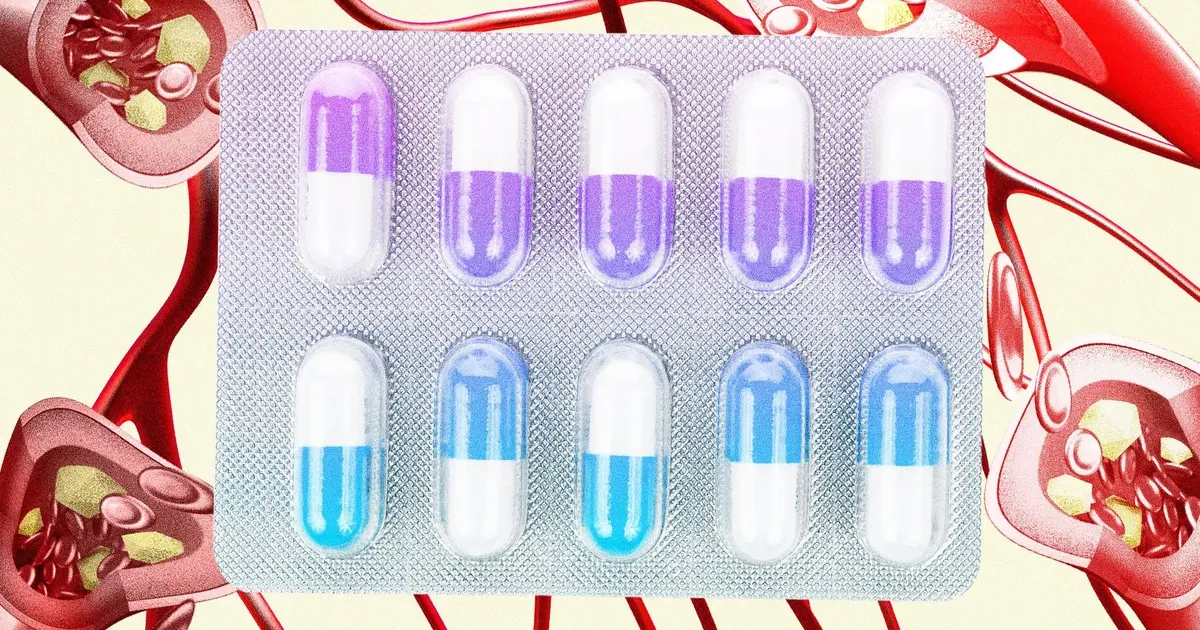
American Heart Association researchers continue to emphasize that heart disease remains the primary threat to male longevity. Statins, the class of drugs designed to lower low-density lipoprotein (LDL) cholesterol, provide a primary line of defense. These medications work by inhibiting HMG-CoA reductase, an enzyme in the liver responsible for cholesterol production. Doctors often prescribe them to patients with a high-risk of heart attack or stroke. Medical literature categorizes these drugs by their intensity, with high-intensity versions capable of lowering LDL levels by 50 percent or more.
Cardiovascular Management and Statin Efficacy in Men
Lipitor and Zocor are among the most recognizable names in the pharmaceutical landscape of heart health. Patients often express concerns regarding side effects such as muscle pain or cognitive fog. Most clinical trials, however, indicate that the benefits of stroke prevention outweigh the risks for the majority of the population. Doctors monitor liver enzymes and blood glucose levels regularly during treatment to ensure safety. Compliance remains a serious factor in long-term outcomes for men over age 40.
"These cholesterol-reducing drugs are some of the most popular medications globally," according to health analysts at GQ.
Systematic reviews of statin therapy demonstrate a major reduction in major vascular events. Men with a history of hypertension or smoking frequently receive recommendations for early intervention. Genetic factors also play an enormous role in how the body processes lipids. Recent data confirms that early LDL reduction leads to a 20 percent decrease in cardiovascular mortality over a ten-year period.
Physiological aging often manifests first in the posterior chain. Sedentary office environments contribute to the tightening of hamstrings and lower back muscles. Chronic tightness in these areas alters pelvic tilt and increases the risk of spinal disc herniation. Physical therapists advocate for daily stretching routines to maintain functional range of motion. Men who sit for more than eight hours a day face a higher risk of chronic orthopedic issues.
Hamstring Mobility and Functional Movement Standards
Effective stretching requires consistency rather than intensity. Trainers suggest the 90-90 hamstring stretch or the simple standing toe touch to ease tension. Holding a stretch for 30 to 60 seconds allows the muscle fibers and nervous system to relax. Improved flexibility in the legs correlates with better performance in weightlifting and running. The average office worker loses 15 percent of their hip mobility every decade without intervention. Nutrition remains a critical but frequently mismanaged component of male wellness. Vitamin D is a pro-hormone rather than a simple vitamin, affecting everything from bone density to immune function. Many men in northern latitudes suffer from chronic deficiency due to limited sun exposure. Fatigue, bone pain, and mood swings often signal a lack of this essential nutrient. Testing for 25-hydroxy vitamin D levels is now a standard part of annual physical exams.
Vitamin D Deficiency Risks and Male Health
National Institutes of Health guidelines suggest a daily intake of 600 to 800 IU for most adults. Many specialists, by contrast, argue that 2,000 IU or more is necessary for those with meaningful deficiencies. Fatty fish, egg yolks, and fortified cereals provide small amounts of the nutrient. Direct sunlight remains the most efficient source, though skin cancer risks complicate this approach. Surveys indicate that 40 percent of the American population is clinically deficient in this specific nutrient.
Impacts of low levels extend into the area of mental health and testosterone production. Studies show a correlation between optimal nutrient levels and higher levels of free testosterone in men. Bone health depends on this nutrient for calcium absorption. Chronic deficiency increases the risk of stress fractures and osteoporosis in later life. Researchers noted a 12 percent increase in bone mineral density among subjects who corrected their deficiency over two years.
Modern life demands a synthesis of these various health strategies. Men cannot rely on a single pill or a single workout to maintain long-term vitality. Integrated health plans combine pharmaceutical intervention where necessary with disciplined physical and nutritional habits. Success in these areas requires a shift in perspective from reactive treatment to proactive maintenance. Patients who track their biomarkers annually see a 25 percent improvement in health outcomes. Integration of nutrition, mobility and medication now defines the new longevity standard.
Consistency in these habits produces a compounding effect on wellness. Stretching the hamstrings daily prevents the gradual descent into chronic back pain. Managing cholesterol levels through statins and diet protects the vascular system from irreversible damage. Maintaining optimal nutrient levels ensures that the body has the raw materials needed for recovery and immune defense. Total healthcare spending for proactive individuals is 30 percent lower than for those who wait for symptoms.
Preventive Health Reality
Relying on a pill to offset a decade of steak dinners and 80-hour work weeks is a delusion many professional men cling to with desperate fervor. The modern obsession with biohacking often obscures the reality that basic maintenance is boring and requires actual effort. While the pharmaceutical industry profits from the ubiquity of statins, the sedentary lifestyle of the corporate elite creates a secondary market for physical therapy and supplementation. We see a growing class of high-performers who are metabolically fragile despite their impressive portfolios.
This reliance on external chemical intervention to fix internal lifestyle failures highlights a deep lack of personal accountability in the executive suite. Longevity is not something one can simply purchase at a pharmacy or a specialty grocer. It is the result of a grueling, daily commitment to physiological discipline that most men are too exhausted to maintain. True health in the 21st century has become a status symbol more exclusive than any luxury watch. If you are not stretching your hamstrings while you wait for your statin prescription to be filled, you are merely managing your decline rather than preventing it. The data is clear, but the willpower to act remains the rarest commodity in the modern market.