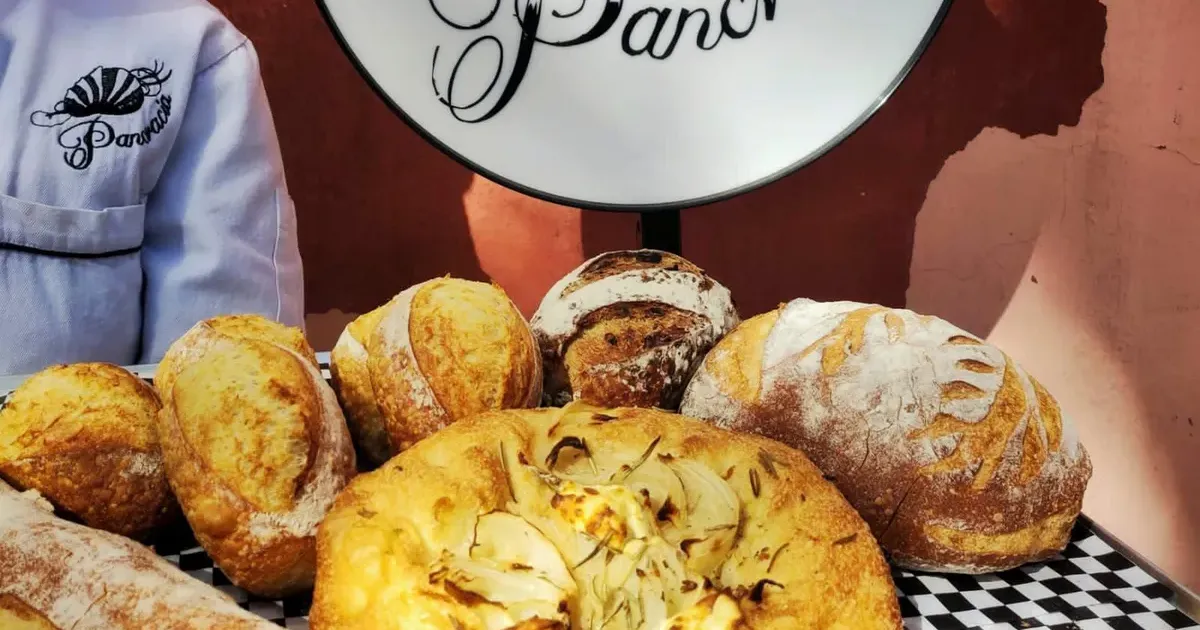
Roma Norte wakes to the scent of fermented butter and charred sugar long before the first sunbeams hit the pavement. On March 12, 2026, Panaderia Rosetta's metal shutters had already retracted before sunrise, revealing a hive of activity that defines the city's modern gastronomic identity. Bakers dusted in white flour manipulate massive quantities of dough, a practice that has evolved sharply since wheat first arrived on Mexican shores. Spanish friars introduced the grain in the 16th century, intending to replicate the Eucharist and the staples of their homeland. They could not have predicted that their imported crop would eventually merge with indigenous flavors to create one of the most diverse bread cultures on the planet. The bakery story starts with older foodways. Wheat found a fertile, if unexpected, home in the high altitudes of the Valley of Mexico. Early colonial records show that by the 1700s, the city was already teeming with small bakeries, or tahonas, which produced the crusty bolillo. This small, torpedo-shaped roll remains the backbone of the local diet, serving as the essential vessel for the torta. It is a humble bread, often overlooked by tourists, yet its production requires a mastery of steam and high-heat ovens to achieve that signature crackling crust and soft, airy interior.
Panaderia Rosetta stands as the modern epicenter of this evolution. Elena Reygadas, often credited with sparking the city's artisanal sourdough craze, has transformed a simple corner in the Roma neighborhood into a global destination. Her guava roll, a flaky pastry filled with tart fruit preserves and creamy cheese, has become a cultural icon. It is a departure from the sugary, often dry pan dulce of the previous century, focusing instead on long fermentation and high-quality local ingredients.
This ritual of the morning pastry has deep social roots.
The Architecture of Pan Dulce
Conchas serve as the visual shorthand for Mexican baking. These rounded brioche-like buns, topped with a crunchy shell of sugar and lard scored to look like a seashell, appear in every corner shop from Iztapalapa to Polanco. The variety of pan dulce is staggering, with names like orejas (ears), besos (kisses), and bigotes (moustaches) reflecting the playful nature of the local lexicon. Each shape requires a different hand technique, a skill passed down through generations of families who have staffed the city's largest institutions.
Pasteleria Ideal in the Centro Historico operates on a scale that defies modern boutique logic. Entering the massive hall on Avenida 16 de Septiembre feels like stepping into a factory of dreams where customers balance giant silver trays on their heads. Thousands of pastries are sold here every hour, packed into iconic blue and white cardboard boxes that are tied with string. It is a high-volume operation that preserves the democratic nature of bread in a city where prices are rapidly climbing due to international interest. Tradition remains the ultimate currency in the Centro Historico.
Nineteenth-century politics also left a permanent mark on the local oven. During the brief, ill-fated reign of Maximilian I and the subsequent Porfiriato era, French and Austrian pastry techniques flooded the capital. The elite's obsession with Parisian culture introduced puff pastry, choux, and heavy creams to the Mexican repertoire. This European influence merged with local ingredients like piloncillo (unrefined cane sugar), cinnamon, and vanilla, creating a hybrid style that exists nowhere else in the world.
Gentrification and the Sourdough Shift
Recent years have seen a tension between these historic stalwarts and a new wave of sourdough-focused ateliers. In neighborhoods like Juarez and Condesa, younger bakers are moving away from the mass-produced yeasts of the 20th century in favor of wild cultures. Places like Niddo and Lardo emphasize the acidity and chew of a long-fermented loaf, catering to a demographic that values gut health and heritage grains. Some observers point out that these loaves often cost five times the price of a standard bolillo, highlighting a widening gap in access to high-quality nutrition.
Such an aesthetic shift mirrors the broader changes in the city's urban fabric. As foreign remote workers flock to Mexico City, the demand for European-style crusty boules has surged, sometimes at the expense of traditional neighborhood panaderias that cannot compete with rising rents. Small family shops that once served a strictly local clientele are finding themselves squeezed out by trendy cafes that prioritize Instagram-friendly interiors over community accessibility. Economic data from the past year indicates that while the artisanal sector is booming, the cost of raw ingredients like wheat and high-grade butter has risen by nearly 18 percent. The pressure forces smaller bakers to either lower their quality or raise their prices, a difficult choice in a city where bread is a daily necessity. Many have turned to ancient grains like amaranth or heirloom corn to differentiate themselves, reclaiming a pre-Hispanic heritage that predates the Spanish wheat invasion. Success in the modern market requires a delicate balance of nostalgia and innovation.
Preserving the Craft
Bakers in the outlying boroughs are fighting to keep the old ways alive through cooperative models. In Xochimilco and Milpa Alta, some still use wood-fired stone ovens that impart a smoky depth to the dough that electric deck ovens cannot replicate. These communal spaces are more than production sites; they are neighborhood hubs where news is exchanged and social bonds are reinforced. The survival of these traditional ovens is critical to maintaining the city's culinary diversity against the tide of globalization.
Pan de muerto remains the most potent example of bread's spiritual significance in the capital. Though it is a seasonal item associated with the Day of the Dead, its production involves months of preparation. The orange blossom-scented dough, decorated with bone-shaped pieces of dough, is a bridge between the living and the deceased. Even the most modern, minimalist bakeries in Polanco wouldn't dare skip the production of pan de muerto, as it is the one time of year when the entire city, regardless of class, seeks the same flavor.
However, the future of the industry depends on more than seasonal peaks. Younger apprentices are increasingly rare as the grueling hours and physical demands of the bakery floor lose their appeal compared to tech jobs. To combat this, several culinary schools in the city have launched specialized programs dedicated solely to Mexican panaderia, aiming to elevate the profession to the status of fine dining. They argue that a master panadero deserves the same respect as a Michelin-starred chef.
Modernity might change the flour, but the fire stays the same.