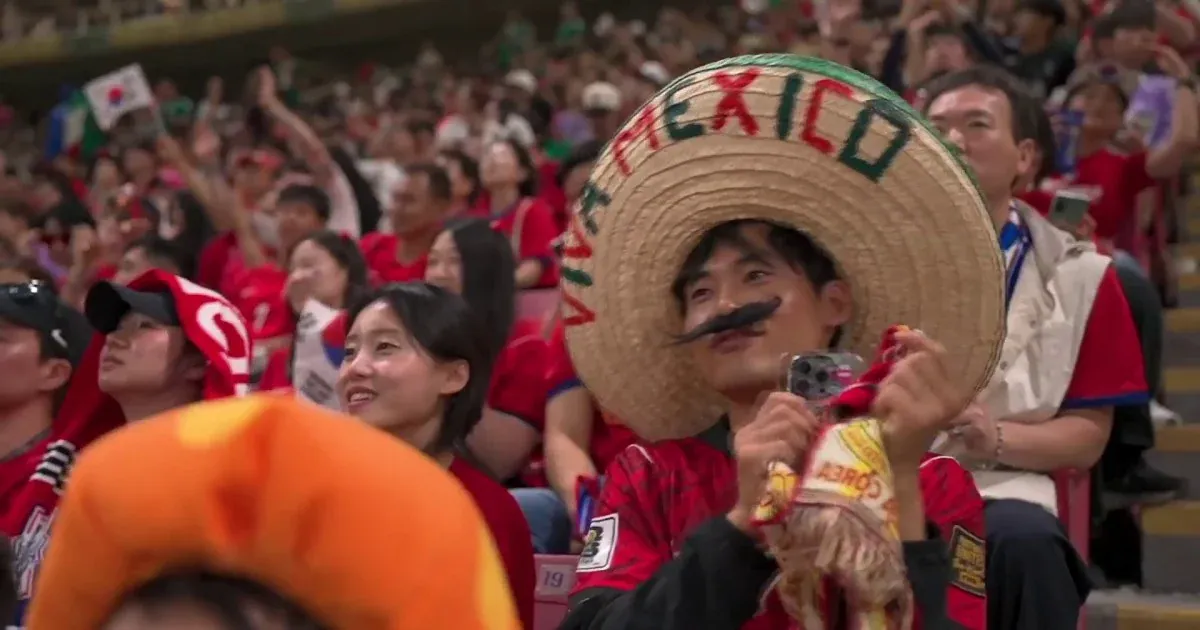
Mexico's World Cup opener turned the start of the tournament into a national celebration. Supporters gathered in stadium areas, public plazas and fan zones as the host nation began its campaign. Julian Quinones gave supporters the early image they wanted by scoring the tournament's first goal for Mexico.
The celebrations peaked on June 12, 2026, after Mexico's opening match against South Africa gave fans the result and spectacle they wanted from the first night. That moment turned watch parties from anticipation into release, especially for fans who had spent the day waiting through ceremony and security lines.
Mexico Opens With a Celebration
The most visible scenes came from Mexico City, where supporters filled viewing areas before and after the match. Flags, green shirts and songs turned the opener into a street-level event rather than only a stadium fixture. The 2-0 result over South Africa also mattered because host teams carry a different emotional burden in an opener. For visiting supporters, the scene offered a quick lesson in how deeply football is tied to public life in the country.
The football mattered because the hosts won. A positive start gave the crowds a release after weeks of build-up around security, ticket prices, protests and tournament logistics. A nervous start would have amplified concerns about pressure; a win allowed supporters to treat the night as a launch rather than a warning. For local officials, it was a rehearsal for the larger crowds that will follow if Mexico keeps winning.
Mexico World Cup celebrations also spread beyond the capital. Fan gatherings in other Mexican cities and North American viewing sites showed how widely the opener traveled through the region. Fans dressed in national colors, waved flags and used familiar songs to connect the modern tournament to older Mexican football memory. The celebration was therefore both spontaneous and operational: a party, but also a test of the host nation's tournament machinery.
The opening goal gave supporters the first defining image of the tournament. For many fans, that moment mattered as much as the final whistle because it confirmed the event had truly begun. Some celebrations also appeared in U.S. cities with large Mexican communities, showing how the opener moved beyond the host stadium. That is why the opener was bigger than one scoreline. It showed whether the country could turn anticipation into a managed public celebration.
Fan Zones Carry the Atmosphere
Public viewing sites carried much of the emotional weight. Families who could not enter the stadium still experienced the match collectively, reacting to each attack and defensive stop with the same urgency as those inside. Public screens gave the match a civic feel, turning plazas and fan festivals into temporary stadiums. Mexico passed the first emotional test of hosting: making the opener feel like a shared national occasion.
The cultural layer was just as important. Songs such as Cielito Lindo, national colors and familiar costumes helped make the match feel local even inside a World Cup shared by three host countries. The tournament's shared North American format can make national identity feel diluted, but the opening night worked in the opposite direction for Mexico.
Security teams had to manage the size of the crowds while allowing the celebration to remain open. That balance will be tested again as Mexico advances through the group schedule. The stronger the host team looks, the more every neutral space becomes part of the home atmosphere.
The opener also set expectations for the rest of the tournament. A host nation that begins with a win changes the mood around every following match. That energy is valuable, but officials will have to keep transport, crowd flow and emergency access working as the schedule grows busier. For Mexico, the first night delivered the basic promise of a home World Cup: a major result, crowded public spaces and a sense that the tournament belongs to the people watching it.