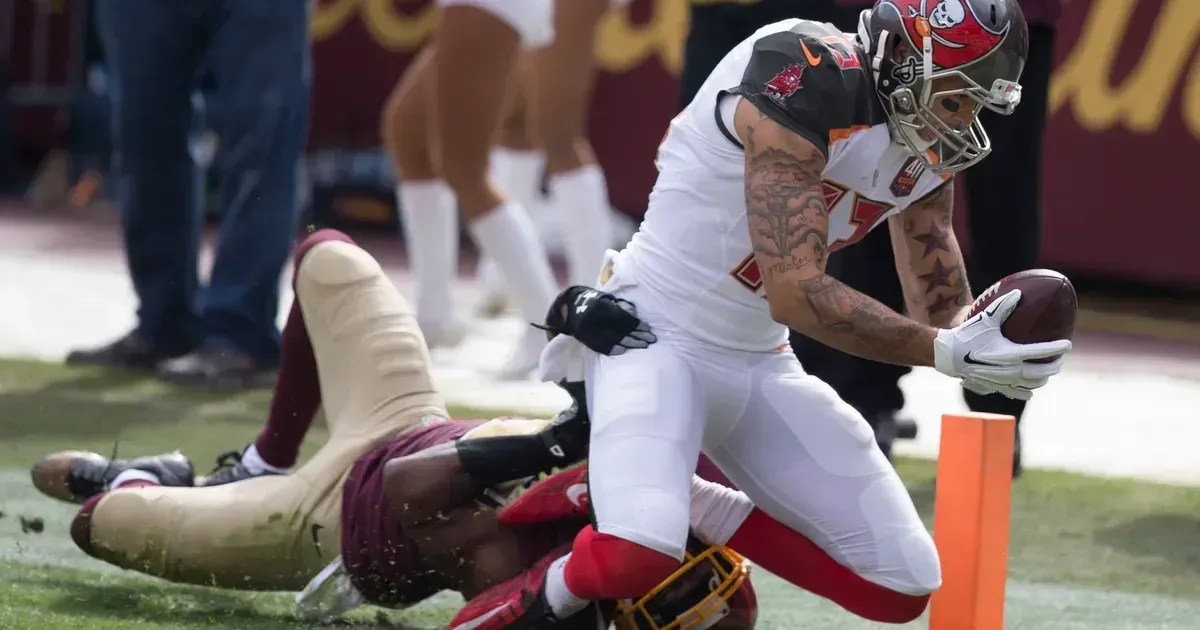
George Kittle praised Mike Evans this week, giving San Francisco another reason to believe its veteran-heavy offense can create new matchup problems. The receiver discussion matters because both teams are trying to solve different versions of the same spacing problem. The comment also gave Dallas another reason to monitor how quickly George Pickens can become a dependable counterweight. By June 11, 2026, the conversation around the 49ers had shifted from roster construction to how quickly a proven outside receiver can fit into Kyle Shanahan's system.
The praise matters because Evans brings a different profile from the receivers San Francisco has often leaned on. His size, catch radius and experience give the 49ers a boundary target who can win without the offense needing every throw to be perfectly timed. For a team built around motion, spacing and yards after the catch, that kind of option can change how defenses allocate help.
Kittle's endorsement also carries weight inside the locker room. He has long functioned as both a tone-setter and a public translator of the 49ers' offensive identity. When he speaks highly of a new weapon, it signals more than politeness; it suggests the staff and veterans already see a clear role.
Why Evans Changes the 49ers Picture
Mike Evans gives San Francisco a receiver who can threaten vertically and still work through contested coverage. That matters in tight games, where defenses are often willing to crowd the middle of the field and force quarterbacks to win outside the numbers.
The fit is not automatic. Shanahan's offense asks receivers to master timing, blocking angles and route details that affect the entire play design. Evans' experience should help, but June praise still has to become September execution before the move can be judged.
San Francisco's broader goal is clear: reduce the number of possessions in which opponents can focus entirely on Kittle, the run game or short-area concepts. If Evans forces safeties wider or corners deeper, the entire offense gains room.
"A guy with Mike's catch radius changes how a defense has to talk before the snap," Kittle said during team availability.
Dallas Watches Pickens Before Minicamp
The Cowboys, meanwhile, are dealing with a different receiver story. George Pickens remains a high-upside target whose talent is not in dispute, but mandatory minicamp creates a firmer attendance checkpoint than voluntary spring work. That is why Dallas' next concern is not highlight ability; it is reliability.
Teams can tolerate missed voluntary sessions more easily than uncertainty around required work. Once mandatory minicamp arrives, the question becomes whether a player is aligned with the coaching staff, the playbook installation and the locker room's summer expectations.
Financial penalties are part of the pressure. Under the league's collective bargaining framework, fines for missing mandatory minicamp can rise across the three-day period. The money is not always the deciding factor for a player, but the absence can quickly become a public sign of friction.
Two Receiver Problems, Two Team Timelines
San Francisco is trying to integrate a veteran into a championship window. Dallas is trying to keep a volatile but gifted receiver moving in the right direction before training camp. Those are very different management problems, even if both involve wide receivers with the ability to reshape coverage.
The 49ers' task is technical: make Evans comfortable enough that his strengths appear inside the normal rhythm of the offense. The Cowboys' task is relational: make sure Pickens' role, expectations and accountability are clear before the summer becomes another distraction.
Both teams know that receiver depth can decide conference races. A reliable veteran can stabilize a contender, while an uncertain young star can make a roster feel better on paper than it functions on the field.
Evans Offers Stability While Pickens Remains a Risk
The strategic difference is maturity. San Francisco is betting that a known veteran can raise the floor of an already dangerous offense. Dallas is betting that talent can be shaped before inconsistency becomes too expensive. Neither problem is solved in June, but minicamp can reveal which team has the cleaner path.
For the 49ers, Evans gives Kittle and the rest of the offense a new way to stress coverage. For the Cowboys, Pickens still offers the kind of vertical threat that can change a game, but only if the structure around him holds. The next few weeks will show whether the NFC's receiver story is about integration or instability.