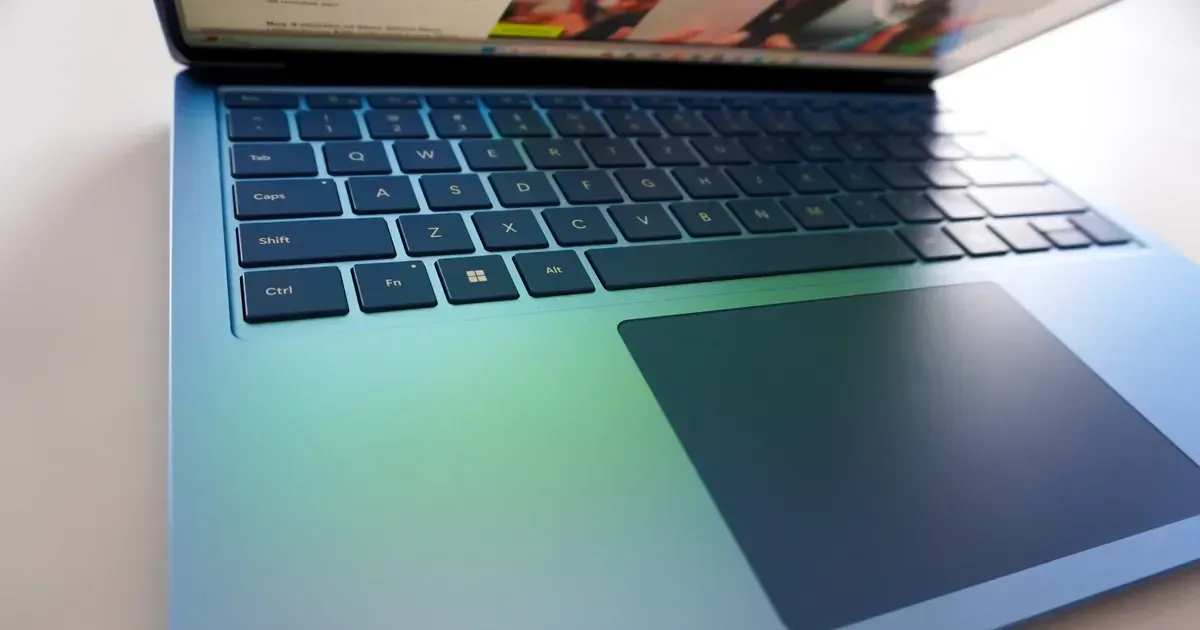
Windows 11 has become a retention problem as much as an upgrade path. Microsoft now has to win back users who see friction before features. March 30, 2026, finds Microsoft at a crossroads where legacy software expectations collide with modern monetization strategies. Engineers in Redmond currently face meaningful internal pressure to reconcile the diverging paths of user experience and corporate revenue targets. Market analysts observe that the desktop operating system, once a utilitarian tool, has increasingly morphed into a platform for service delivery. Statistics from late 2025 indicate that Windows 11 adoption has failed to match the velocity of its predecessor, leaving a vast segment of the global computing base on aging software. Users consistently point to specific design regressions as the primary friction points inhibiting widespread migration. Technical debt remains a persistent hurdle for the Windows development team. While the move to a more modern aesthetic was intended to compete with mobile interfaces, the execution resulted in the removal of features that power users deemed essential. Corporate clients in particular express frustration over the inconsistent behavior of the system shell. Recent internal memos suggest a shift back toward fundamental performance metrics, yet the gap between marketing promises and the user experience persists. Desktop computing requires a level of reliability and predictability that recent updates have frequently undermined. Microsoft recorded a 20 percent increase in support tickets related to UI inconsistency in the last fiscal quarter.
Windows 11 Hardware Barriers and Market Fragmentation
Minimum hardware requirements established at launch continue to divide the PC ecosystem. Intel and AMD processors from older generations are technically capable of running the OS but are blocked by the TPM 2.0 security requirement. Critics argue this artificial gatekeeping has contributed to an enormous electronic waste problem, as perfectly functional machines are deemed obsolete. Corporate environments often possess thousands of devices that do not meet the arbitrary cut-off. Forced obsolescence serves hardware partners but alienates long-term software customers who prefer stability over incremental security features. Industry data shows that 400 million PCs currently in use cannot officially upgrade to the latest version.
Hardware manufacturers initially supported the strict requirements to drive a refresh cycle. However, the anticipated surge in new PC sales failed to materialize as consumers opted to extend the life of their current Windows 10 machines. Security remains the official justification for the hardware lock, yet many experts question if the trade-off in market share is sustainable. Third-party workarounds to bypass these checks are widespread, demonstrating a clear demand for the software on older hardware. Windows 10 support is scheduled to end soon, yet it maintains nearly double the active user base of its successor.
User Interface Consistency and Taskbar Regression Issues
Taskbar functionality became a trigger point for user anger immediately following the release of Windows 11. Previous versions allowed for a high degree of customization, including the ability to move the bar to the sides or top of the screen. Redmond developers removed these options, citing a complete rewrite of the taskbar code. This decision ignored decades of muscle memory for millions of professional users who rely on specific workflows. Reintroducing these features has been slow, often requiring years for basic functionality to return to the interface. The current iteration still lacks the steady drag-and-drop capabilities that defined the Windows 7 and 10 eras.
Context menus represent another area where design aesthetics triumphed over efficiency. The two-tier right-click menu requires an extra click to access common commands like 'Rename' or 'Delete' in many scenarios. Visual clutter may have decreased, but the cognitive load for power users increased. Systems administrators frequently deploy registry hacks to restore the classic menu, indicating a fundamental rejection of the new design language. Consistency across the OS is still lacking, with legacy Control Panel elements clashing with the modern Settings app. A survey of 10,000 developers found that 65 percent preferred the Windows 10 menu structure for productivity tasks.
Advertising Integration and Privacy Concerns in Windows
Suggestions and recommendations within the Start menu are widely perceived as integrated advertising. Microsoft has experimented with placing third-party app promotions and web search results directly in the path of user navigation. Privacy advocates point out that these features rely on extensive telemetry and data collection to function. Opting out of these features is often buried deep within multiple sub-menus, making it difficult for the average user to maintain a clean environment. Desktop real estate is treated as a billboard for Game Pass and Microsoft 365 subscriptions. Total revenue from Windows search and news advertising exceeded $10 billion annually for the first time last year.
"Our goal is to make Windows the most open and accessible platform for everyone," said a Microsoft spokesperson in a recent developer conference summary.
Privacy concerns extend to the requirement for a Microsoft Account during the initial setup of the operating system. Local account creation is increasingly obscured behind complex command-line workarounds or secondary menus. This shift allows the company to track user behavior across devices and services, but it creates barriers for those in low-connectivity areas. Security experts note that while cloud-syncing offers benefits, the lack of a clear offline-first option is a regression in user sovereignty. Data mining remains a core component of the modern Windows business model. Users in the European Union have seen some concessions regarding these requirements due to regulatory pressure from the Digital Markets Act.
Operating System Stability and Forced Cloud Integration
Update frequency has increased, yet the quality of these releases is under intense scrutiny. Forced restarts and mid-work updates continue to disrupt professional environments. Despite the introduction of AI-driven maintenance windows, users still report data loss due to unexpected reboots. Stability is the most requested feature in every annual user survey conducted since 2021. Large enterprises often delay deployments for months to ensure that a new build will not break proprietary software. The lack of a long-term service channel for standard consumers leaves them as involuntary testers for new features. Microsoft recently admitted to a bug in the KB5034765 update that caused taskbars to disappear entirely.
OneDrive integration is another area where the line between a tool and a service has blurred. New installations often default to syncing the Desktop and Documents folders to the cloud without explicit user consent. This requirement can lead to storage exhaustion and subsequent prompts for paid upgrades. While cloud backup is a valuable service, the aggressive implementation feels more like a sales funnel than a utility. Professional photographers and video editors complain that the automatic syncing interferes with local file management and bandwidth. The company maintains that these features are designed for user convenience and data safety. Windows 11 currently holds 28 percent of the global desktop market share.
Desktop Trust Problem
Microsoft is currently suffering from a severe identity crisis that threatens its historical dominance of the desktop environment. The company acts as if it is in a monopoly position where it can dictate terms to users, yet the rise of specialized hardware and cloud-based alternatives provides an exit ramp that did not exist twenty years ago. By treating the Start menu as a revenue center rather than a navigation tool, Redmond is actively devaluing its primary product. The obsession with mimicking mobile operating systems is a strategic error because people use PCs for productivity, not passive consumption. If you force a professional to hunt for a 'Print' button behind three layers of decorative acrylic, you have failed as a toolmaker.
The aggressive push for account-linking and cloud-defaults is not about user experience; it is a desperate attempt to inflate Azure and Microsoft 365 metrics for shareholders. Satya Nadella has successfully pivoted the company toward the cloud, but the Windows team seems to have forgotten that the OS is the foundation of that entire pyramid. You cannot build a stable skyscraper on a foundation of advertisements and UI regressions. The hardware requirements are a particularly cynical move designed to please OEMs at the expense of the environment and the consumer's wallet.
Microsoft needs to realize that Windows is a utility, like water or electricity. We do not want 'surprising and delightful' experiences from our tap; we want it to work every time we turn the handle. If the company does not strip back the bloat and return to a performance-first mentality, the slow migration toward alternative platforms will eventually reach a major shift. The desktop is a workspace, not a shopping mall. Microsoft's future depends on remembering that distinction.