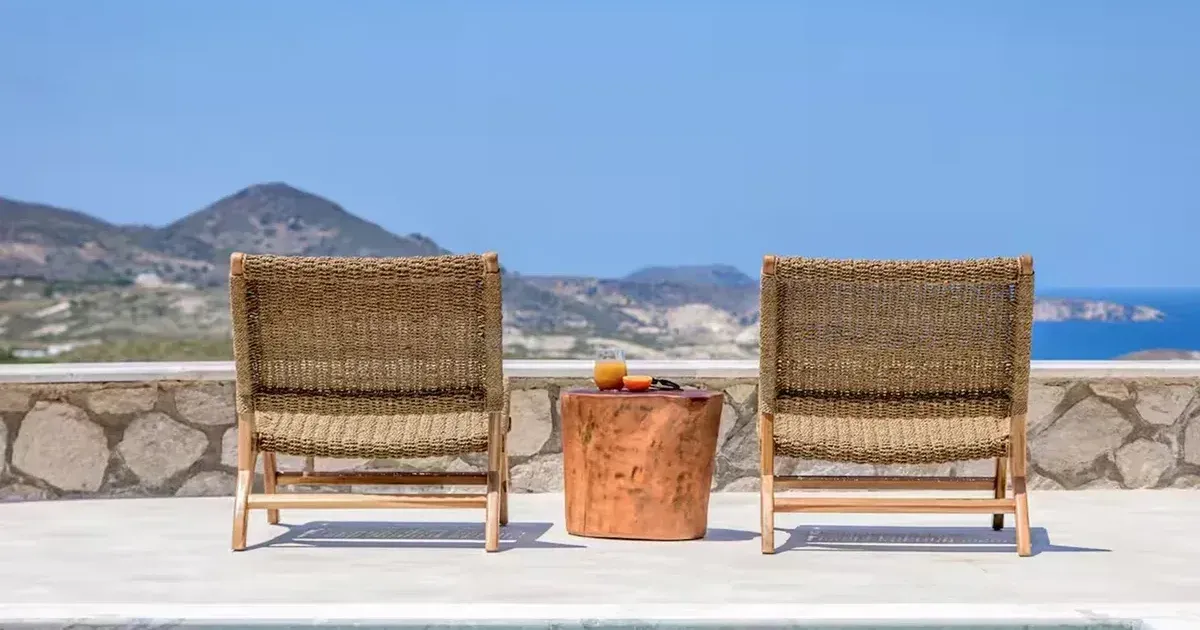
Milos reached a seasonal peak as the Greek island transitioned from a quiet volcanic outpost to a premier destination for global travelers seeking secluded luxury. The March 27, 2026 snapshot showed how quickly rental demand had changed the island economy. Residents across the Cyclades have observed a rapid shift in accommodation trends, where private villas and boutique apartments now outperform traditional hotel stays in both occupancy and revenue. Airbnb listings now dominate parts of the local housing market, offering everything from converted caves to high-end villas built around volcanic views.
By March 12, 2026, Milos luxury rentals had become a test of Greek island tourism pressure.
High-income travelers from the United States and United Kingdom are driving this demand, often bypassing the crowded alleys of Santorini for the geological wonders of the western Aegean. Greece is still a top-tier destination for the 2026 season, but the specific allure of Milos stems from its unique volcanic architecture and its 75 diverse beaches.
Local investors have poured capital into the renovation of traditional structures, particularly the iconic "syrmas" that dot the coastline. These multi-colored fisherman houses, originally designed to protect boats from winter storms, now serve as ultra-premium short-term rentals. Pricing for these waterfront units often exceeds $1,200 per night during the summer months. Small villages like Klima and Mandrakia have become focal points for this architectural revival. Visitors flock to these sites not just for the proximity to the water, but for the specific aesthetic value that has gained traction on digital platforms. The influx of capital has fundamentally altered the real estate dynamics of the island.
Volcanic Architecture and Syrma House Transformations
Volcanic activity millions of years ago created the very foundations of today's premier rental market. These geological events left behind a variety of minerals and unique rock formations that developers now use to market high-end properties. White tufa stone and dark obsidian provide a natural color palette that attracts architectural photographers and high-net-worth individuals. In fact, many of the best-rated properties on Airbnb are built directly into the soft volcanic rock, offering natural climate control during the intense heat of the Greek summer. This geological heritage provides a level of privacy that traditional masonry cannot match.
Klima village is the clearest example of this adaptive reuse strategy. Local property data and visible renovation patterns point to a sharp rise in converted traditional dwellings over the last five years. Each syrma maintains its vibrant wooden doors, though the interiors now feature high-speed internet, designer kitchens, and luxury linens. But the conversion process is strictly regulated by the Greek Ministry of Culture to preserve the visual heritage of the Cyclades. Developers must navigate complex permits to ensure that modern amenities do not compromise the external historical character of the buildings. Every renovation requires approval from a central archaeological committee. Similar to how we see historic structures transformed in Seville, Milos is adapting its traditional architecture for modern luxury.
Milos has transitioned from a mining hub to a luxury sanctuary, where the value of a single fisherman house now rivals that of a mainland estate.
Tourism operators say the island's appeal lies in its comparative isolation. Santorini and Mykonos have reached a saturation point that many elite travelers find off-putting. Meanwhile, Milos offers a sense of discovery that feels increasingly rare in the Mediterranean. Property owners often provide personalized services, such as private boat tours to Kleftiko or in-house chefs specializing in Cycladic cuisine. These additions ensure that the rental price reflects more than the square footage of the building. Success in this market depends on the ability to offer an experience that feels disconnected from the mainland.
Economic Shift Toward High-Yield Milos Tourism
Market analysts have noted a sharp increase in investment targeting the Milos rental sector. Rising demand for seclusion pushed rental prices to new heights throughout the 2025 fiscal year. Yet, the local government struggles to balance this economic windfall with the needs of permanent residents. Property values in the capital of Plaka have increased to the point that local teachers and service workers often find themselves priced out of the market. This economic friction is a common byproduct of the short-term rental boom seen globally. Still, the tax revenue generated from luxury tourism has funded several new infrastructure projects in Adamas.
The rise of remote work has extended the traditional tourist season into the shoulder months of April and October. Professionals from London and New York are booking thirty-day stays in villas that overlook the Aegean, turning holiday rentals into temporary offices. These long-term guests provide a more stable income stream for property owners compared to weekend tourists. These visitors spend more at local tavernas and grocery stores, distributing wealth more evenly through the community. The transition toward a year-round economy is still a primary goal for the regional administration. Investors are now looking at property in the island's interior to capture this growing market.
Still, the concentration of wealth in specific coastal pockets creates a visible disparity. High-end sunset properties have become a benchmark for high-end success, with its panoramic views and minimalist design. Properties of this caliber often book out eighteen months in advance, regardless of the fluctuating global economy. Their success highlights the importance of sunset views in the Aegean rental market. Most guests are willing to pay a 40% premium for a west-facing terrace. That preference has dictated the layout of almost every new development on the island's western ridge.
Infrastructure Constraints in the Cycladic Airbnb Market
Infrastructure development rarely keeps pace with the rapid growth of digital rental platforms. Milos relies on desalination plants and imported water to meet the needs of its growing visitor population. During the peak of the 2026 season, water consumption is expected to reach record levels. Many luxury Airbnbs have installed private filtration systems and greywater recycling loops to reduce their environmental footprint. These green initiatives are increasingly important to the demographic of travelers who frequent Milos. Sustainability has shifted from a niche concern to a primary marketing tool for elite properties. Local authorities have even discussed implementing a daily water quota for short-term rentals.
Transportation remains another major hurdle for the island's growing tourism industry. The road network leading to popular spots like Sarakiniko Beach was not designed for the volume of rental cars and luxury shuttles currently in operation. The port of Adamas has seen important upgrades to accommodate larger ferries and private yachts. The island's airport also expects a record number of arrivals from Athens in the coming months. Travelers often find that the lack of public transport requires a private vehicle, further crowding the narrow streets of the ancient villages. The highest-end rentals now include a dedicated parking space as a standard amenity.
Tourism experts argue that the current path of Milos is sustainable only if the island maintains its rugged, undeveloped charm. Unlike the polished marble walkways of Mykonos, the appeal of Milos is its raw, unrefined character. If the island becomes too manicured, it risks losing the very audience that made it a success. By contrast, the neighboring island of Kimolos has started to attract those who feel Milos is already becoming too commercialized. The wider effect shows how the luxury market is constantly searching for the next frontier of authenticity. The challenge for Milos is to grow without erasing the history of its mining and fishing communities.