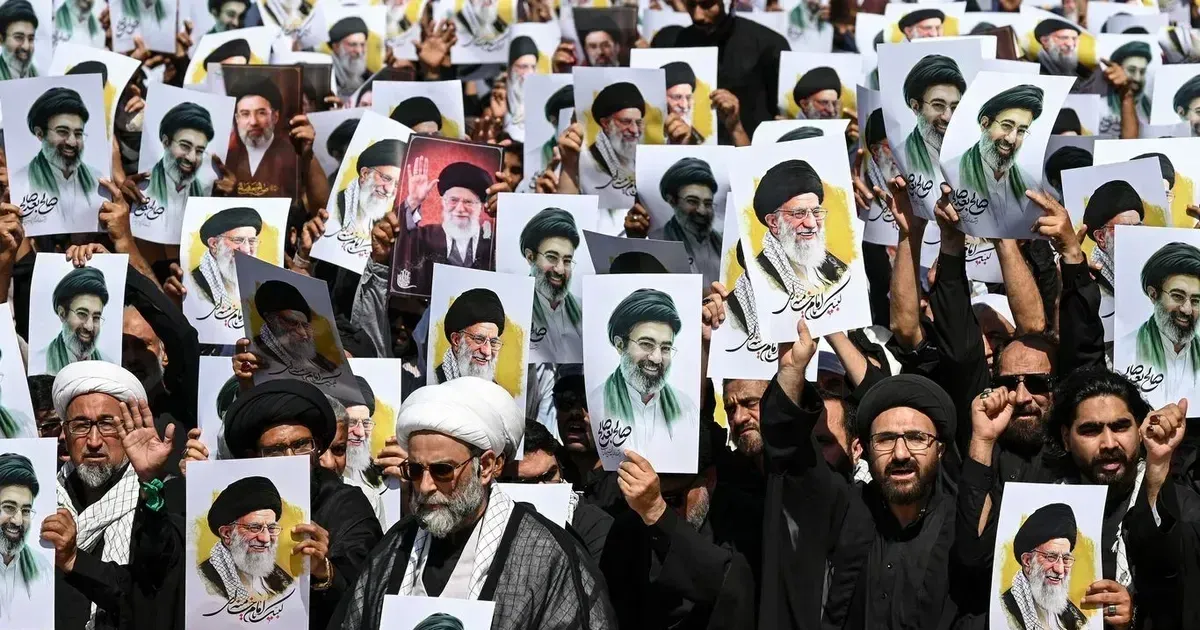
Mojtaba Khamenei's instruction to accept a two-week ceasefire gives the Iran crisis a diplomatic track, but it does not remove the military risks around the Gulf. The order reflects pressure inside Tehran and the practical cost of keeping the Strait of Hormuz under threat. On April 8, 2026, the directive followed proposals carried by Pakistan between Iranian and American representatives. For negotiators, the immediate test is whether the pause can hold long enough for ships, insurers and regional governments to see evidence of restraint.
Pakistani Mediators Enable Islamabad Peace Talks
Pakistan became the primary diplomatic bridge between the two adversaries. Prime Minister Shehbaz Sharif used his connections in both Washington and Tehran to prevent a total collapse of the dialogue. Islamabad will host the formal start of the negotiations on Friday. Foreign Minister Abbas Araghchi is expected to lead the Iranian delegation while Steve Witkoff represents American interests. Both sides agreed to the two-week duration to provide a cooling-off period for global markets. Pakistani diplomats suggested that the 10-point plan is a blueprint for a long-term resolution. Most observers believe the upcoming Islamabad summit will decide the fate of the Persian Gulf for the next decade.
Energy security concerns drove the urgency of the Pakistani mediation efforts. Iranian naval forces had previously threatened to block all commercial traffic through the region. Shipping companies reported that insurance premiums for tankers rose by 400 percent in a single week. Global trade routes faced total disruption without a guaranteed pause in the naval skirmishes. Donald Trump reportedly weighed the economic risks of a protracted war against the political benefits of a decisive military victory. He ultimately chose the diplomatic path to avoid a total energy shock in the United States. Gasoline prices in American cities reached record levels during the final hours of the standoff.
Strait of Hormuz Control Remains Center of Contention
Tehran maintains substantial leverage through its geographic proximity to the world's most critical maritime chokepoint. The 10-point plan reportedly allows Iran to maintain some level of oversight over the Strait of Hormuz during the ceasefire period. Washington previously demanded a total withdrawal of Iranian naval assets from the corridor. Mojtaba Khamenei viewed the retention of this control as a non-negotiable requirement for any truce. European allies expressed concern that the agreement does not sufficiently guarantee the safety of international shipping. Australian officials called for all parties to strictly adhere to international law to prevent further volatility. Marine traffic data shows a cautious return of vessels to the region.
Iraq welcomed the development as a necessary step toward regional stability. Baghdad has long feared being caught in the crossfire of a direct U.S.-Iran confrontation. The Iraqi Foreign Ministry issued a statement praising the reduction in tensions. Diplomatic sources in Baghdad indicated that the two-week pause allows for the delivery of humanitarian aid to affected coastal communities. Abbas Araghchi communicated to regional partners that Iran does not seek a wider war. Israeli military officials, however, maintained a high state of readiness along the northern border. Reports of localized missile exchanges persisted even after the official announcement reached international news wires.
Global Energy Markets React to Diplomatic Thaw
German fuel prices reached historic heights during the negotiation phase. The 12-hour rule implemented by the German government failed to curb the rising costs of diesel and gasoline. Lars Klingbeil, representing the SPD, called for a fuel price cap similar to models used in Poland and Luxembourg. Union-led economic factions in Berlin resisted these measures due to fiscal risks. Joana Lehner analyzed the situation and suggested that a margin cap for refineries might be the only viable alternative. Schleswig-Holstein Minister Claus Ruhe Madsen criticized the energy shock and warned against using tax billions to support oil company profits. High energy costs in Europe put immense pressure on Donald Trump to accept the Pakistani-mediated deal.
Investors reacted to the ceasefire with a mixture of relief and skepticism. Crude oil futures dropped by 8 percent within minutes of the White House statement. Financial analysts in London noted that the two-week window is too short to guarantee long-term stability. While the truce stopped the immediate threat of a bombing campaign, the underlying structural disagreements persist. Donald Trump continues to demand a total cessation of Iran's enrichment activities. Mojtaba Khamenei has shown no indication of abandoning the nuclear program. The temporary pause provides only a brief respite for a global economy teetering on the edge of a recession. Military assets on both sides stay in strike positions.
Steve Witkoff worked the phones to manage a chaotic series of proposal drafts passed through Pakistani intermediaries.
Negotiators inside the Iranian Foreign Ministry described the atmosphere as frantic. Abbas Araghchi received the 10-point counterproposal from Steve Witkoff and immediately faced internal pressure from hardliners within the Revolutionary Guard. A source with direct knowledge said the U.S. envoy called Iran's 10-point counterproposal “a disaster” and “a catastrophe.” Disagreements centered on the specific language regarding maritime access and the duration of the pause in hostilities. Iranian civilians began fleeing major urban centers in anticipation of American air strikes that many believed were inevitable. Israeli officials confirmed they had coordinated with Washington on a target list that included $11 billion in hardened military assets and nuclear research facilities.
A Pause Still Needs Compliance
The truce is useful only if the public language is matched by operational restraint. Naval movements, missile readiness and access rules around the strait will matter more than any single announcement. That leaves Pakistan with a narrow diplomatic task. It has to turn a pause accepted under pressure into a process that both capitals can verify without treating every concession as a defeat.