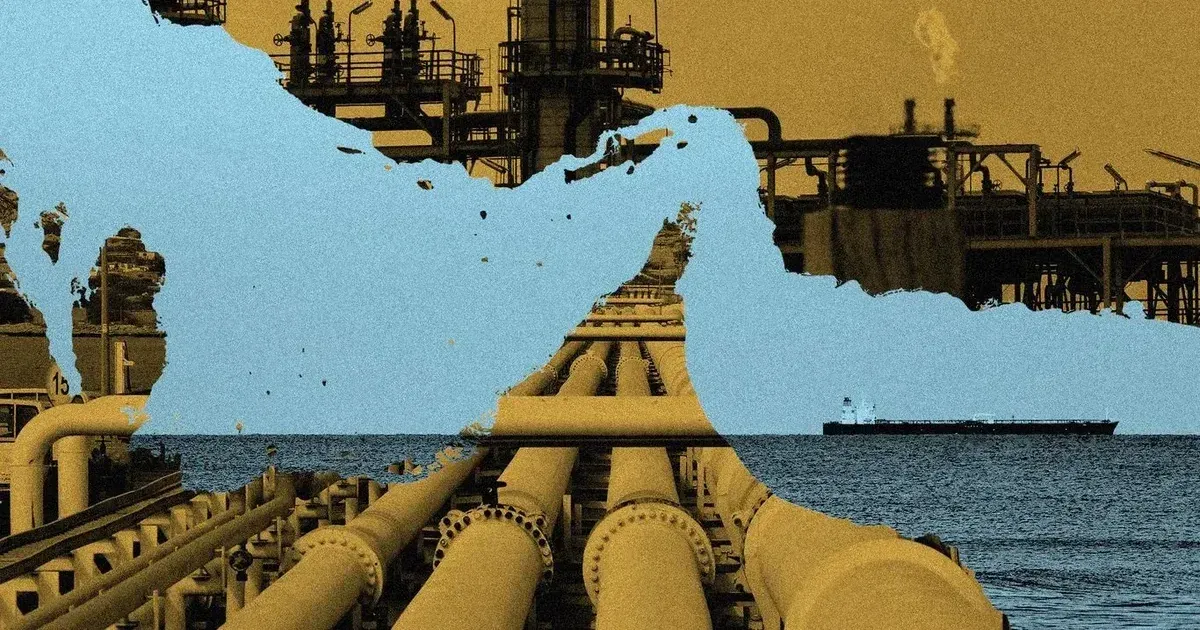
Antonio Costa's warning to Donald Trump shows that European allies are drawing legal lines around the Iran conflict. The concern is that strikes on energy, water or transport infrastructure would undermine the same rules Europe has invoked against Russia. The timing makes the warning harder to dismiss as abstract legalism. On April 8, 2026, the warning landed while shipping through the Strait of Hormuz remained uncertain despite ceasefire efforts. For Brussels, the issue is both legal and strategic: Western credibility depends on applying civilian-protection standards consistently.
European Council Confronts White House Policy
António Costa, acting in his capacity as the European Council president, told the American president on Monday that energy facilities constitute civilian infrastructure. International statutes prohibit the deliberate targeting of such assets during armed conflict. Costa emphasized that these standards apply to Russia in Ukraine and must apply everywhere else, signaling a refusal to grant the United States a moral exemption.
European governments now struggle to reconcile their reliance on American security with their commitment to a rules-based international order. They fear that silence on Iranian infrastructure threats would expose them to accusations of maintaining a double standard. One diplomat, speaking on condition of anonymity, stated that the European Union has spent four years decrying Russian aggression against non-military targets.
Brussels intends to speak with a single voice to ensure its objections are not dismissed as individual grievances. Trump, however, signaled a willingness to escalate military pressure unless Iran removes all obstacles to shipping in the Persian Gulf. He suggested that future strikes could destroy bridges, desalination plants, and primary energy hubs.
Strait of Hormuz Shipping Disruptions Persist
Economic fallout from the threat of escalation persists despite the announcement of a tentative ceasefire agreement. Global oil markets have failed to stabilize because tanker owners remain skeptical of the security situation in the Strait of Hormuz. Insurance providers, including those at Lloyd's of London, require verified safety guarantees before they will reestablish coverage for commercial vessels.
Without these policies, shipping companies refuse to risk multimillion-dollar hulls and billions of dollars in crude oil cargo. Joe Brusuelas, chief economist at RSM US, indicated that confidence-building measures in the coming days are the only way to restore normal traffic flow. High prices and energy scarcity continue to plague major importing nations across the globe.
Energy Markets Face Prolonged Recovery Timeline
Restarting the global energy supply chain involves more than opening a shipping lane. ClearView Energy Partners reported that many production facilities in the Middle East were shuttered or placed in a shut-in status when the conflict began. Bringing these oil fields back to full capacity is a process that requires weeks or even months of technical labor. Reservoirs can suffer damage when production stops abruptly, and the logistics of mobilizing engineering crews to remote desert locations remain complex. Persian Gulf producers previously cut output by millions of barrels per day as export routes vanished. These nations cannot simply turn a valve to return to pre-conflict export levels. Supply shortages will likely keep gas prices elevated for the foreseeable future.
Technical hurdles are compounded by the lack of clear insurance protocols for the region. Tankers cannot operate without war risk insurance, which has reached prohibitive levels over the last several months. Insurers want to see a sustained period of peace before they lower premiums to manageable rates. Iran continues to leverage its control over the waterway to extract concessions from the West. This strategy focuses on maintaining high energy prices to pressure European leaders into softening their stance on sanctions. The diplomatic deadlock between the White House and the European Council has only added to the market volatility. Investors are currently pricing in the risk of a total collapse of the ceasefire.
Such a move would devastate the Iranian civilian population, which relies on these facilities for basic survival.
“Any targeting of civilian infrastructure, namely energy facilities, is illegal and unacceptable,” Costa said.
Abbas Araghchi, the Iranian Foreign Minister, declared that safe passage through the region will depend on coordination with Iranian armed forces. He cited technical limitations that might delay the resumption of large-scale traffic for at least two weeks. These limitations likely include the removal of maritime mines and the repair of coastal surveillance systems damaged during the peak of the tension. Individual shipowners are currently seeking explicit permission from Tehran to resume operations. Clayton Seigle, an analyst at the Center for Strategic and International Studies, noted that tracking platforms will reveal whether these requests are actually granted. Maritime traffic data suggests that most tankers are still avoiding the channel until the diplomatic situation clarifies.
European leaders find themselves in a position where they must defend a multilateral world order that the current American administration frequently ridicules. Trump has often viewed European allies as targets for economic criticism rather than partners in global security. This dynamic has pushed the European Union to distance itself from the more aggressive elements of American foreign policy. Brussels remains concerned that a full-scale war in the Middle East would trigger a refugee crisis similar to the one experienced during the Syrian conflict. They view the preservation of Iranian civilian infrastructure as a requirement for regional stability. Stability in Tehran is seen as the only way to prevent a total humanitarian collapse that would inevitably affect European borders.
Allies Are Drawing Legal Lines
The dispute does not mean Europe and the United States have stopped sharing interests. It does mean allies are less willing to treat infrastructure targeting as a technical detail when civilian survival is at stake. That is the legal line now being drawn. If Washington wants allied support, it has to show that pressure on Iran will not collapse into tactics it condemns elsewhere.