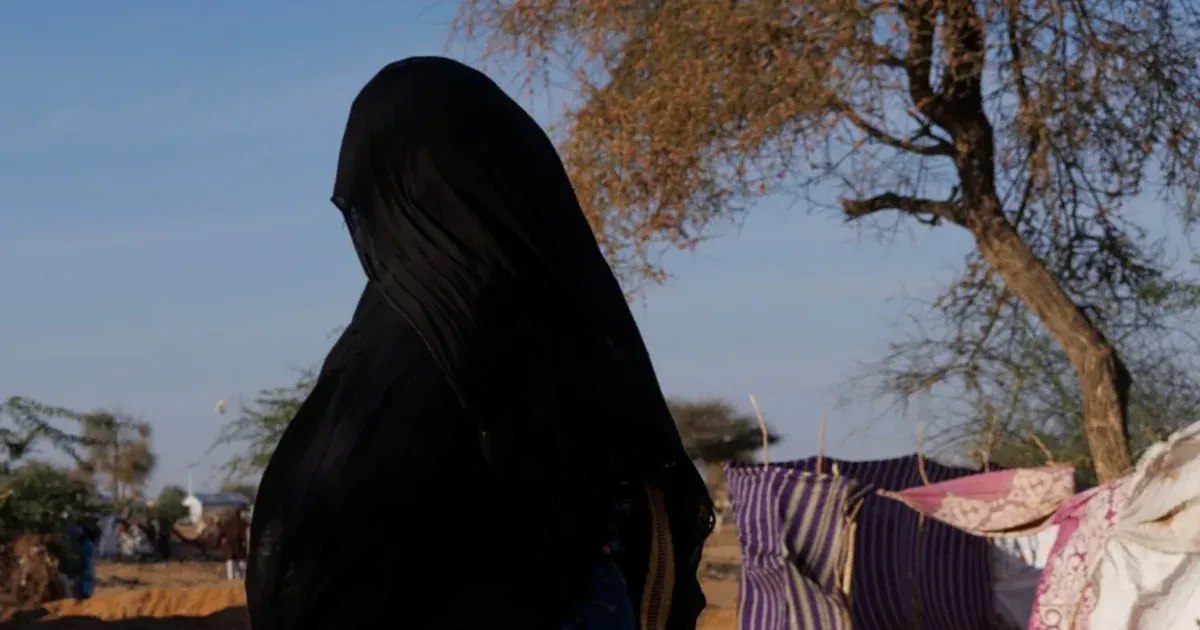
An internal Doctors Without Borders report found dozens of allegations of sexual exploitation and abuse involving staff working near the Sudan-Chad border, according to reporting on the confidential review. The allegations include cases involving Sudanese refugees, Chadian residents and MSF workers. The internal report drew public attention on June 15, 2026.
The findings came after whistleblower reporting and an internal investigation into aid operations serving people displaced by Sudan's war. MSF said staff members were dismissed and barred from future work after the review.
Abuse Allegations Expose Aid Power Imbalances
The report described allegations involving sex in exchange for food, jobs or aid, including cases affecting underage girls. Victims and witnesses often feared retaliation, loss of assistance or public exposure if they reported misconduct.
That fear is central to the scandal. In refugee and displacement settings, aid workers can control access to food, medical care, jobs and information. When those systems lack independent reporting channels, vulnerable people may have no safe way to complain.
The reported pattern is especially serious because people fleeing Sudan's war often arrive with limited money, weak legal protection and urgent medical needs. That dependency can make a threat to withhold food, work or medical access feel impossible to resist. Humanitarian organizations know this risk in theory. The question raised by the report is whether field systems were strong enough to detect abuse before whistleblowers and journalists forced a deeper review.
MSF has long maintained a zero-tolerance policy for sexual abuse and exploitation, but the report indicates that policy statements did not prevent serious failures in the field.
MSF Faces Questions Over Oversight
The internal review reportedly found problems with complaint systems, hiring checks, staff turnover and the handling of earlier warning signs. Those are structural issues, not only individual misconduct allegations. MSF said it has taken disciplinary action and introduced reforms, including stronger complaint procedures and safeguards. The harder question is whether those reforms can function in fast-moving humanitarian emergencies where teams expand quickly and oversight is stretched.
Rapid hiring can save lives when a crisis grows, but it also increases the risk of weak reference checks, poor supervision and informal power networks inside camps. Those risks require independent monitoring rather than trust in ordinary management chains. The findings also put pressure on donors and partner agencies. Funding lifesaving work cannot mean accepting weak accountability systems, especially when beneficiaries have little power to protect themselves.
The scandal also affects trust in humanitarian work more broadly. Refugees depend on aid groups for survival, so any abuse by staff can undermine confidence in services that many people cannot simply choose to leave.
Why the Sudan Context Matters
Sudan's war has created one of the world's largest humanitarian crises, pushing millions of people across borders and into camps where food, water and medical care are scarce. That scarcity makes exploitation risks more severe. The abuse allegations do not erase MSF's medical work in the region, but they do show why humanitarian organizations need independent reporting routes, field-level audits and consequences that go beyond dismissing individual workers.
Those consequences must also be visible enough to rebuild trust. Survivors need to know that complaints can be made safely, investigated independently and resolved without threatening access to food, jobs or treatment. The Sudan displacement crisis makes that standard urgent because aid systems are not optional for many families. Food distributions, clinics and protection desks may be the only stable institutions people encounter after fleeing violence.
For survivors, accountability means more than an internal memo. It requires safe reporting, protection from retaliation and clear evidence that aid will never be conditioned on sexual access or personal favors. The case is a reminder that humanitarian legitimacy depends on conduct inside the camp as much as medical skill in the clinic.
MSF and other emergency groups often work in places where state protection is weak and survivors have few alternatives. That makes the organization part of the protection system as well as a provider of medical care.
When that system fails, the damage spreads beyond the individual cases. People may avoid clinics, distribution points or complaint offices because they fear retaliation or humiliation, which can deepen the public-health crisis the aid mission was meant to reduce. The report also puts pressure on humanitarian organizations beyond MSF. Aid groups ask donors and governments for trust during emergencies, but that trust weakens when survivors believe complaints can cost them food, treatment or safety. Stronger reporting channels, independent investigators and survivor protection have to be treated as operational necessities rather than public-relations safeguards. For refugees, the most important reform is not a press statement; it is a reporting route that does not pass through the same staff members who control aid access.