The MV Hondius repatriation effort is now a cross-border health operation, not only a cruise disruption. Authorities have to move passengers while protecting hospitals and destination countries. Health officials confirmed two hantavirus cases among travelers evacuated from the MV Hondius after the cruise ship reached the Canary Islands. The update, reported on May 11, 2026, involved one American citizen and one French national, with authorities coordinating quarantine, isolation and contact tracing as passengers returned to several countries.
One French woman developed symptoms while returning to Paris, prompting medical follow-up after arrival. She is currently isolated at Bichat Hospital in Paris, where French authorities are monitoring her condition. Doctors described her status as stable, though the incident raised questions regarding the effectiveness of initial screening protocols used during the ship's evacuation. Medical teams at the hospital are now working to identify any passengers from the same flight who may have been exposed during the transit from the Spanish archipelago.
Two confirmed infections represent only a fraction of the 94 people evacuated from the Dutch-flagged vessel on Sunday. Those individuals represented 19 different nationalities, creating a complex logistical challenge for the Spanish government as it attempted to coordinate with various foreign embassies. Spanish officials defended the rigors of their sanitary measures on Monday, insisting that all standard protocols were followed during the complex operation to move passengers from the moored vessel to the mainland.
Repatriation efforts continued throughout the morning as travelers from Germany and other European nations began returning to their home countries. German health authorities confirmed they would screen all returning residents who had any contact with the MV Hondius to prevent further local transmission. Similar measures are being implemented in the United States, where the Centers for Disease Control and Prevention is tracking the status of the evacuated American passenger who tested positive.
International Screening and Hantavirus Confirmation
Screening procedures for hantavirus typically require specialized laboratory testing, as early symptoms often mimic common respiratory illnesses. This specific outbreak on a cruise ship is rare, given that hantavirus is usually associated with contact with rodent droppings rather than person-to-person transmission in a maritime environment. Officials have not yet confirmed the source of the infection on the MV Hondius, but the investigation is focusing on the vessel's storage areas and ventilation systems.
Health experts are still investigating how the shipboard cluster developed. Most hantavirus infections are linked to rodent exposure, but officials are treating this outbreak cautiously while they assess the strain involved and the route of transmission. European aviation safety officials are now reviewing the manifest of the flight that carried the French patient to ensure all passengers are reachable for medical evaluation.
Madrid remains the primary hub for coordinating the response, though the decentralized nature of the evacuation means regional health boards across Europe are now on high alert. The Spanish Ministry of Health confirmed that all remaining crew on the MV Hondius are under strict quarantine. No new departures from the vessel will be permitted until a full forensic sanitization of the living quarters is completed.
South Atlantic Medical Support Reaches Tristan da Cunha
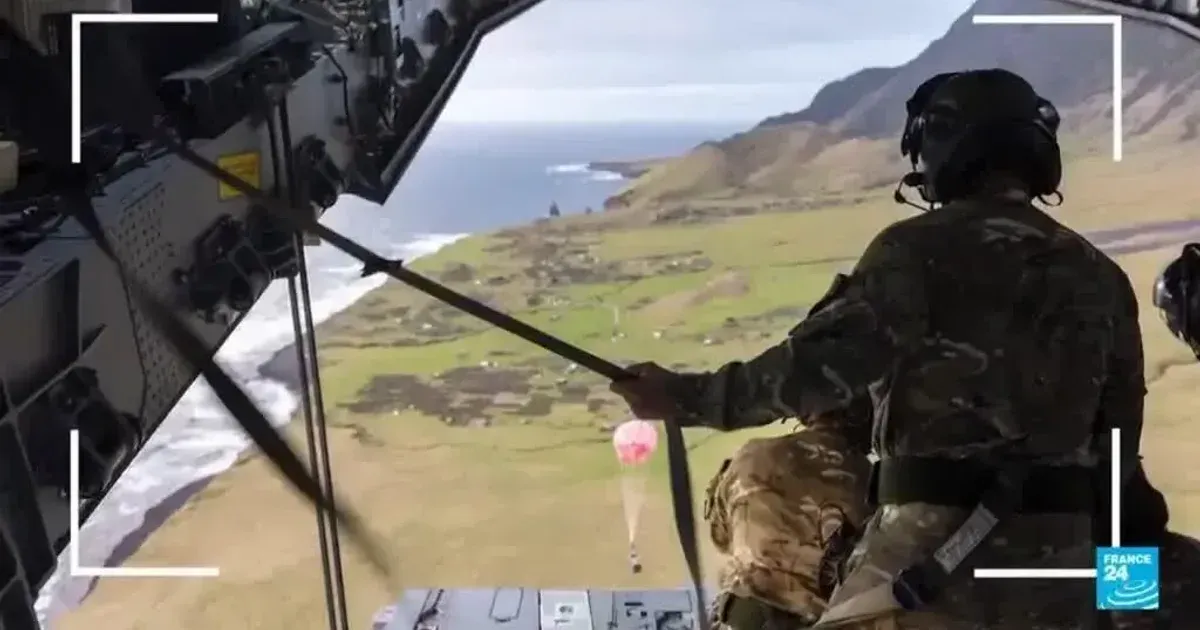
A separate suspected case on Tristan da Cunha triggered an emergency British military support mission in the South Atlantic. UK forces parachuted specialist personnel and medical supplies onto one of the world's most remote inhabited islands after a British national linked to the vessel was suspected of having hantavirus. The response underscored how difficult medical support can be when a possible case appears far from mainland hospital systems.
Military aircraft delivered medical personnel, oxygen and supplies to support the island's limited health infrastructure. UK officials described the operation as a precautionary support mission for a remote community, rather than evidence that the suspected case had turned into a broader local outbreak.
Coordinating the medical drop required cooperation between the British Royal Air Force and South Atlantic maritime authorities. Supplies reached the island on Monday morning, providing the first major relief to the local medical staff who had been managing the patient with minimal resources. The patient's condition is being reported as stable, according to the latest dispatch from the island's administrator.
The Repatriation of MV Hondius Travelers
Logistical hurdles persist as the 94 evacuated passengers return to their respective home countries. German officials noted that while some travelers have arrived home without symptoms, a mandatory 14-day observation period is being encouraged. The monitoring phase is intended to catch any delayed onset of the virus, which can have an incubation period of several weeks in some documented cases.
Shipping records indicate the MV Hondius was involved in adventure tourism before the outbreak was detected. The vessel's operator has suspended all future voyages until the investigation into the sanitary conditions on board is resolved. The Dutch-flagged status of the ship means the Netherlands is also participating in the maritime inquiry alongside Spanish and international health regulators. Evidence gathered from the vessel's galley and cargo holds will be critical in determining how the virus entered the ship's ecosystem.
Future cruise operations in the region may face heightened scrutiny as a result of these positive tests. Tourism boards in the Canary Islands are concerned about the impact on the local economy, though they have prioritized the containment of the virus over immediate commercial interests. Madrid has pledged to release a full report once the current repatriation cycle concludes.
What Health Systems Are Testing
The MV Hondius response is testing a narrow but difficult part of public health planning: how to move passengers from a remote or semi-remote vessel into national health systems without losing track of exposure histories. The challenge is not simply whether one country can isolate one patient. It is whether multiple governments can keep passenger lists, flight records, laboratory results and quarantine instructions aligned after people begin returning home.
The cruise industry will also face questions once investigators identify how the infections began and whether shipboard conditions played a role. For now, officials are avoiding final conclusions about the source of transmission. The immediate priority remains containment, medical monitoring and support for remote places such as Tristan da Cunha, where even a suspected case can require outside help. The practical lesson is clear: remote cruise itineraries need medical, aviation and contact-tracing plans that can work before a ship reaches a major port.