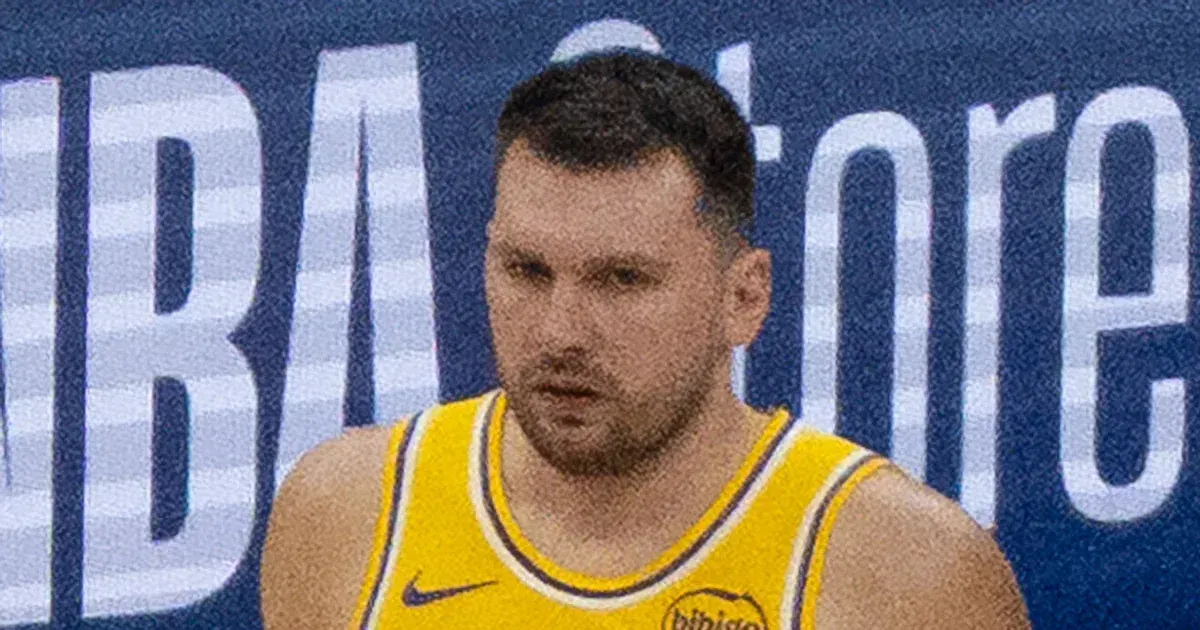
The NBA’s admission of missed calls turned a Lakers win into a procedural fight over playoff credibility. Houston’s frustration now has an official document behind it, even if the result will not change. The league review places LeBron James, Marcus Smart and the final minutes of Game 3 under fresh scrutiny. LeBron James and Marcus Smart became the focal points of a league-wide officiating debate on April 26, 2026, after the NBA issued a formal admission regarding multiple missed calls during a critical postseason matchup. League officials confirmed that referees failed to whistle two distinct violations during the final minutes of the Los Angeles Lakers victory over the Houston Rockets. Official review processes identified a missed defensive three-second violation against the Lakers and an uncalled shooting foul on Smart during a high-leverage possession. Houston coaching staff expressed frustration after the one-possession loss shifted the momentum of the best-of-seven series. Records from the Last Two Minute report suggest these errors provided the Lakers with an unearned tactical advantage during the closing sequence.
Officiating Oversight in Houston Rockets Series
Houston guards faced a physical defensive front that league reviewers now admit exceeded the legal limits of contact. Marcus Smart, known for his defensive intensity and ability to draw whistles, was especially absent from the free-throw line during the sequence in question. NBA Vice President of Referee Operations Joe Dumars has previously emphasized the league's commitment to transparency, yet these admissions often arrive after results are finalized. Rockets had trailed by three points when Smart was fouled on a drive to the basket, an error that prevented a potential three-point play opportunity. Statistics from the evening show the Lakers finished with a significant free-throw disparity, a metric that Houston executives have highlighted in private communications with the league office.
Video evidence confirmed the defensive three-second violation occurred while LeBron James anchored the paint during a Rockets isolation play. Such violations are rarely called in the closing seconds of playoff games, yet the formal admission highlights a growing trend of post-game scrutiny. Critics of the current system argue that identifying errors without the ability to rectify the scoreline does little to preserve the integrity of the competition. Houston head coaches have remained tight-lipped regarding potential fines, though the team's social media accounts briefly posted and then deleted clips of the missed calls. Smart spoke briefly in the locker room, noting that his job is to play through contact regardless of the whistle.
Officiating consistency continues to be the primary concern for playoff participants across both conferences.
Beyond the controversy in the Western Conference, the Orlando Magic secured a commanding win over the Detroit Pistons to assert their dominance in the opening round. Wendell Carter Jr. became the engine of the Orlando offense, delivering a double-double that neutralized Detroit’s interior defense. Carter finished the contest with 22 points and 14 rebounds, marking his most productive postseason outing to date. Orlando used a high-screen offense that forced Detroit’s big men into uncomfortable perimeter rotations. Success in Game 3 gives the Magic a 2-1 lead in the series, shifting the pressure back to a young Pistons roster struggling to find a secondary scoring option.
Wendell Carter Jr. Drives Orlando Magic Success
Detroit struggled to contain the versatility of the Orlando frontcourt as the game progressed into the second half. Wendell Carter Jr. converted four of his six attempts from beyond the arc, a career milestone that forced a defensive adjustment Detroit was unprepared to make. Magic head coach Jamahl Mosley has frequently praised Carter’s ability to act as a secondary playmaker from the high post. Defensive metrics indicated that Detroit allowed 1.2 points per possession when Carter was the primary screener. Orlando’s bench contributed 38 points, further widening the gap against a Pistons unit that looked fatigued by the fourth quarter. Detroit forward Jalen Duren faced foul trouble early, limiting his ability to contest Carter’s aggressive drives to the rim.
Analytics teams in Orlando highlighted the team's transition scoring as the deciding factor in the 114-102 victory.
Spectators noted a high-profile endorsement of the Orlando performance from the WNBA ranks. Angel Reese, the Chicago Sky standout and WNBA All-Star, voiced her public support for Carter following his dominant display. Reese took to social media to highlight a specific sequence where Carter blocked a shot at the rim before sprinting the length of the floor for a transition dunk. This cross-pollination between the NBA and WNBA stars has become a hallmark of the 2026 season, reflecting a unified basketball culture. This officiating controversy follows a series where the Los Angeles Lakers secured a critical postseason victory.
Reese’s commentary garnered over two million impressions within hours, drawing more national attention to the Orlando-Detroit series which had previously been overshadowed by larger market matchups. Carter and Reese have maintained a public friendship that often results in mutual support during their respective seasons.
Angel Reese and WNBA Influence on NBA Narratives
Publicity surrounding Reese’s reaction helped elevate the Magic’s national profile during a crowded playoff schedule. Media outlets in Florida have noted that the franchise is leveraging this increased visibility to strengthen its brand among younger demographics. Angel Reese brings a large individual following that rivals many NBA starters, making her endorsements a valuable commodity for the league’s marketing arms. Orlando’s front office has not commented on the specific social media interaction, but the team’s internal metrics show a spike in engagement following the post.
Carter responded to the support with a short message acknowledging the respect between professional athletes in the two leagues. The cooperation between these athletes highlights the shifting landscape of sports media where individual players drive more engagement than traditional team-run accounts. Growth in WNBA viewership has coincided with these high-profile interactions, creating a feedback loop of basketball interest. Detroit now faces a must-win scenario in Game 4 to avoid a three-games-to-one deficit. Pistons management has expressed concern over the team's inability to close out quarters, a trend that surfaced again during the Friday night loss. The Pistons shot just 41 percent from the field, their lowest mark of the postseason. Orlando’s defensive scheme effectively neutralized Detroit’s primary ball-handlers, forcing contested mid-range jumpers. Carter’s presence in the paint was a deterrent for Detroit’s guards, who struggled to finish among the Magic’s length. The series remains the most physical matchup in the Eastern Conference, with referees calling a total of 48 fouls throughout the evening.
Playoff Integrity and Post Game Review Standards
League scrutiny of the Lakers-Rockets officiating has sparked a wider conversation about the role of the NBA Replay Center in Secaucus. While the Last Two Minute report provides a layer of accountability, it offers no real relief to teams like Houston who are fighting for playoff survival. The missed shooting foul on Marcus Smart was particularly glaring given the proximity of the lead official to the play. LeBron James avoided a technical foul earlier in the game despite an animated outburst toward the officiating crew, a discrepancy that Rockets fans have cited as evidence of superstar bias. League officials maintain that all players are officiated under the same standard, regardless of tenure or accolades. Houston forward Dillon Brooks called for more consistency in how the verticality rule is applied at the rim. The league has acknowledged that a shooting foul should have been called on Marcus Smart with 14.2 seconds remaining in the fourth quarter, an error that directly impacted the Houston Rockets' possession. Financial implications of these officiating errors are large for franchises competing for deep playoff runs. Advancing to the second round can generate an estimated $11 million in additional revenue through ticket sales, concessions, and local broadcast rights. Houston ownership has invested heavily in the current roster, making a first-round exit a major setback for the organization's long-term financial planning. The Lakers, by contrast, continue to benefit from the momentum of their veteran-led squad as they seek another title in the twilight of James’ career. Smart’s veteran presence was supposed to reduce these high-pressure errors, yet even his experience could not overcome the lack of a whistle. Rockets will file a formal grievance with the league office to document their concerns regarding the consistency of the crew assigned to Game 3. Orlando players traveled back to their training facility immediately following the win to begin preparations for the next contest.
Post-Game Admissions Cannot Repair Playoff Integrity
Why does the NBA persist with the performative transparency of the Last Two Minute report when it serves only to antagonize the losing party? Admitting that LeBron James benefited from a missed defensive violation or that Marcus Smart was robbed of free throws provides zero utility to the Houston Rockets. It is a hollow exercise in corporate accountability that protects the shield while leaving the competitive product tarnished. The league is essentially telling its fans that the result is illegitimate, but the record book is permanent. This approach suggests that the NBA values the appearance of honesty over the actual integrity of the game clock. If the league were serious about accuracy, it would empower the Replay Center to intervene in real-time during the final two minutes without requiring a coach’s challenge. The Orlando Magic and Detroit Pistons series offers a refreshing contrast where the outcome is decided by talent rather than technicality. Wendell Carter Jr. dominated because he was the superior athlete on the floor, not because a referee missed a three-second count. However, the shadow of the Lakers controversy looms over every other matchup.