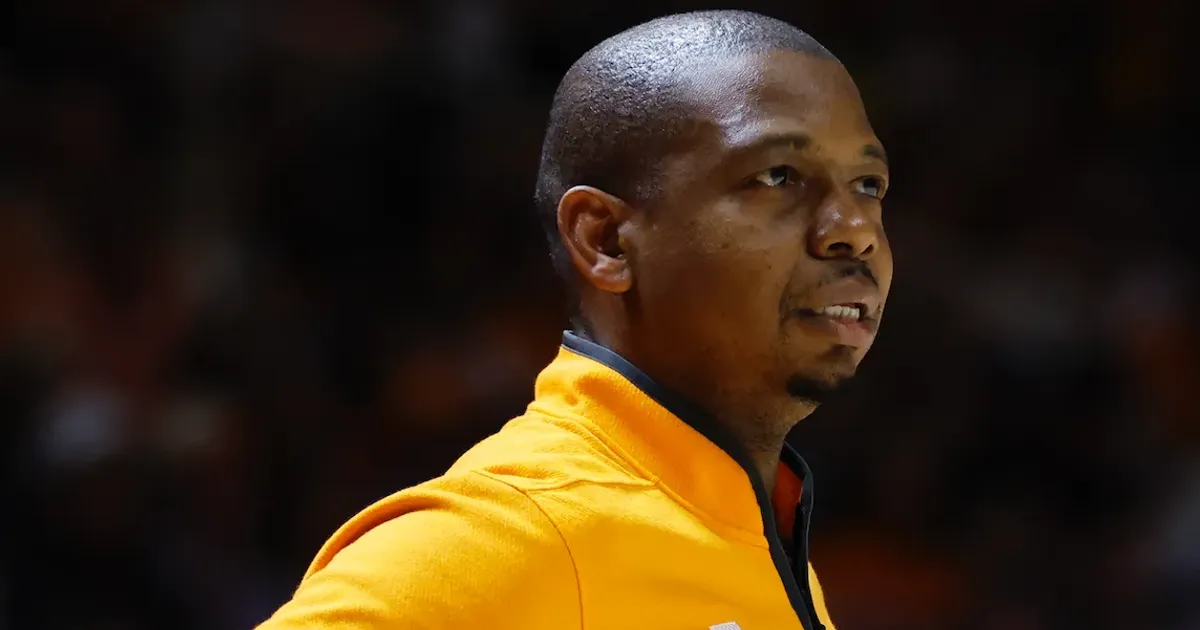
The hire is a basketball decision and a culture decision. NC State is bringing back a familiar figure to steady a program that needs direction. Justin Gainey signed a contract on March 30, 2026, to return to Raleigh as the head basketball coach for NC State. Sources told ESPN that the university finalized the agreement with the current Tennessee assistant earlier this morning. Negotiations concluded after several days of discussions regarding the direction of the program. March 30, 2026, marks a serious shift for the university as it looks to revitalize its standing in the Atlantic Coast Conference. Gainey returns to his alma mater with a resume built on defensive efficiency and high-level recruiting in the Southeastern Conference. His arrival ends a search that focused heavily on candidates with deep ties to the Wolfpack legacy.
Gainey brings experience from five seasons on the bench under Rick Barnes in Knoxville. Success at Tennessee often rested on the defensive identity Gainey helped instill. Recruiting circles credit him with securing multiple five-star prospects during his tenure. He previously held positions at Marquette, Santa Clara, and Arizona. This background provides the foundational knowledge required to manage a high-pressure program. He played for the Wolfpack from 1996 to 2000, starting 103 games at point guard. Records show he remains ninth in school history for career steals.
ESPN initially broke the news of the agreement during the early hours of Monday morning.
Justin Gainey, who has spent five seasons as an assistant with Tennessee, is returning to NC State to be the Wolfpack's next head basketball coach, sources told ESPN.
CBS Sports confirmed the hiring shortly after the ESPN report surfaced. Journalists at both outlets pointed to his history as a former Wolfpack standout as a primary driver for the hire. Gainey led the team to four consecutive postseason appearances during his undergraduate years. Supporters remember his tenacity on the floor during the Herb Sendek era. Many alumni viewed his return as a necessary step to bridge the gap between historical success and modern expectations. Financial details of the multi-year contract remain undisclosed by the university athletic department. Administration officials plan to introduce him at a press conference later this week.
Raleigh residents recognize Gainey as a hometown hero who understands the specific pressures of the local market.
He understands the intensity of the rivalry with North Carolina and Duke. Playing against those programs in the late 1990s gave him firsthand knowledge of the required competitive standard. He averaged 7.1 points per game and 3.6 assists per game during his senior season in 2000. These statistics reflect a player who prioritized ball security and perimeter defense. His transition from floor general to sideline tactician followed a natural path. Staff members from his playing days often noted his tendency to study film long after practice ended. This work ethic translated into his coaching career and fueled his rise through the assistant ranks.
Wolfpack Basketball Program Direction
Recruiting within the state of North Carolina remains a critical objective for the incoming staff. Local talent often leaves the region for rival programs or SEC schools. Gainey intends to leverage his local connections to keep top-tier prospects within the Raleigh area. His success at Tennessee proves he can compete with blue-blood programs for signature athletes. High-school coaches in the Research Triangle have maintained positive relationships with him throughout his time in Knoxville. Those connections provide an essential pipeline for a program needing an immediate infusion of talent. Rebuilding the roster will likely involves heavy use of the transfer portal during the first 100 days.
Defensive metrics at NC State dropped sharply over the past three seasons. Analytics experts suggest that a shift toward the man-to-man principles used at Tennessee could stabilize the defense. Gainey used a system that emphasized ball pressure and help-side rotations. Tennessee consistently ranked in the top 10 nationally for defensive efficiency during his five-year stay. Implementing these schemes at NC State requires players with specific physical profiles. Observers expect a roster overhaul to accommodate a more physical style of play. Practices will likely become more grueling as the new staff establishes a culture of accountability.
SEC Influence on NC State Recruitment
SEC basketball has evolved into a powerhouse of athleticism and physical strength over the last decade. Gainey witnessed this transformation directly while working in the conference. He understands that competing in the ACC now requires the same level of raw power found in the SEC. Scouts believe he will target players who possess the versatility to defend multiple positions. This approach mirrors the strategy used by top-tier programs to counter modern offensive spacing. The transition from assistant to head coach involves managing these strategic shifts on a larger scale. He must now oversee every facet of the basketball operation including donor relations and media obligations.
Alumni groups expressed immediate support for the hiring of a former player. The sentiment often fluctuates based on early-season results. Boosters have already pledged increased NIL funding to support the new coaching staff. Financial resources are essential in the current landscape of collegiate athletics. NC State must compete with the enormous budgets of surrounding programs to stay relevant. Gainey participated in several calls with primary donors on Monday afternoon. These conversations focused on the long-term vision for the basketball program and the facility upgrades necessary to attract elite recruits. The athletic department views this hire as a long-term investment in the university brand.
Raleigh Program Rebuild
Gainey’s return gives NC State a coach who already understands the school’s expectations and recruiting geography. That familiarity can shorten the first year of transition.
The harder test is whether he can convert relationships and player development credentials into Atlantic Coast Conference wins quickly enough.