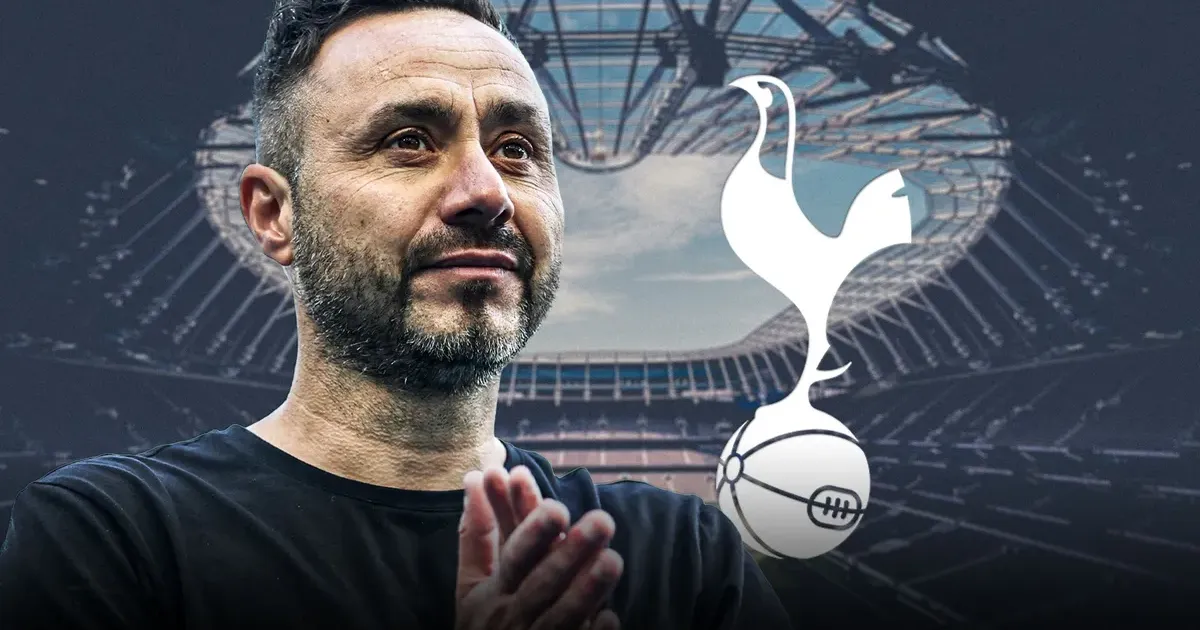
The managerial push shows urgency before the season closes. Timing matters. Spurs are trying to control the search before the market moves. The next step is whether talks become formal. Roberto De Zerbi entered advanced negotiations with Tottenham Hotspur on March 30, 2026, to potentially take over the North London club before the current campaign concludes. ESPN sources indicate that the hierarchy at the club is accelerating its timeline to secure the Italian tactician. Discussions moved from preliminary interest to concrete contractual outlines within the last forty-eight hours. Club officials view the appointment as a necessary catalyst to salvage a season currently drifting toward mid-table mediocrity.
Sky Sports reports that Tottenham Hotspur chairman Daniel Levy is leading the pursuit personally. Negotiation points include the immediate release of the coach from his current obligations and the installation of a completely new backroom staff. Previous attempts to wait until the summer transfer window have been abandoned in favor of an immediate tactical reset. Mounting pressure from the fan base has forced the board to act sooner than originally planned. Performance metrics under the interim staff continue to decline. Champions League qualification is now a mathematical improbability for the North London side.
Tottenham are pushing to convince Roberto De Zerbi to become their new manager before the end of the season, sources have told ESPN.
Talks progressed rapidly during the morning hours. Tottenham Hotspur needs a definitive identity to compete with the rising power of rival clubs in the capital. De Zerbi brings a reputation for transformative coaching that turns mid-tier squads into European contenders. His philosophy involves inviting pressure deep in the defensive third to create space behind the opponent's midfield. Implementation of such a complex system requires an immediate start to ensure players adapt before the 2026 summer tour. Scouting reports on the current roster indicate several players may struggle with the technical demands of De Zerbi-ball. High defensive lines and risk-heavy build-up play are hallmarks of his approach.
This is a gamble for a club that has struggled with managerial stability since 2019. Hiring the Italian would represent a shift back to the high-intensity football favored during the Mauricio Pochettino era. Comparisons between the two managers are frequent among the London sporting press. Both prioritize collective movement over individual brilliance. Roberto De Zerbi emphasizes the importance of the third-man run to bypass defensive blocks. If the appointment is finalized this week, the new coach could be in the dugout for the upcoming North London derby. Preparation for that fixture is already underway with the current coaching staff. Uncertainty persists in the locker room.
Financial Hurdles in Premier League Compensation Deals
Financially, the move involves a large buyout clause estimated at $15 million. Paying such a high figure mid-season is a departure from the usual fiscal conservatism displayed by the Tottenham board. Daniel Levy must weigh the cost of compensation against the potential revenue loss from failing to qualify for European competition. Revenue from the UEFA Europa League or Conference League is essential for the club's long-term debt servicing plan. Infrastructure projects at the stadium site have increased the need for consistent match-day income from international fixtures. Shareholders remain cautious about large capital outlays on managerial changes. Recent history suggests that high-profile coaching hires do not always yield immediate financial returns. Buyout negotiations are reaching a critical phase.
Compensation packages represent the final hurdle in these discussions. Club lawyers are reviewing the fine print of De Zerbi's existing contract to find a path for an immediate exit. Negotiators have spent the last twelve hours discussing bonus structures related to trophy wins and league finishes. The Italian manager is reportedly seeking a salary that would place him among the five highest-paid coaches in the Premier League. Financial parity with his peers is a non-negotiable point for his representatives. Tottenham Hotspur maintains that the investment is justified given the potential for squad value appreciation under his guidance.
Players often see their market valuations double after a season of his specialized coaching. Investment in the dugout is seen as investment in the balance sheet.
Recruitment Strategy Under Pressure at Tottenham
Recruitment strategy remains a point of contention between the coaching candidate and the technical director. De Zerbi often identifies specific technical profiles that do not align with traditional scouting metrics. He prefers ball-playing goalkeepers and center-backs who can resist intense pressing. Current squad depth in these areas is insufficient for his preferred 4-2-4 buildup structure. Future transfer windows must be tailored to his specific requirements to avoid the friction seen with previous managers. Scouts are already pivoting their focus toward the Italian and Spanish markets to find suitable talent. Collaboration between the data department and the coaching staff is essential for a successful tenure. The lack of a cohesive plan has led to expensive errors in the past.
Strategic alignment is the primary goal for the upcoming season. Tottenham Hotspur officials want to avoid the internal conflicts that defined the tenures of Jose Mourinho and Antonio Conte. Those regimes ended in public disagreements over the direction of the club. De Zerbi is known for his passionate sideline demeanor and blunt assessment of squad quality. This personality trait can lead to rapid improvements or swift deterioration of relationships with the board. Supporters have largely voiced their approval of the move on social media platforms. They crave a return to entertaining football regardless of the immediate results.
Success in the English top flight is increasingly tied to having a clear tactical identity. Tactical ambiguity is no longer an option for teams with top-four ambitions.
Spurs Manager Search
Spurs are trying to make the managerial search a controlled process rather than a public auction. De Zerbi's name carries tactical appeal, but timing and compensation could decide the outcome.
The next indicator is whether informal interest becomes negotiation. A quick move would suggest the club wants clarity before rivals enter the same market.