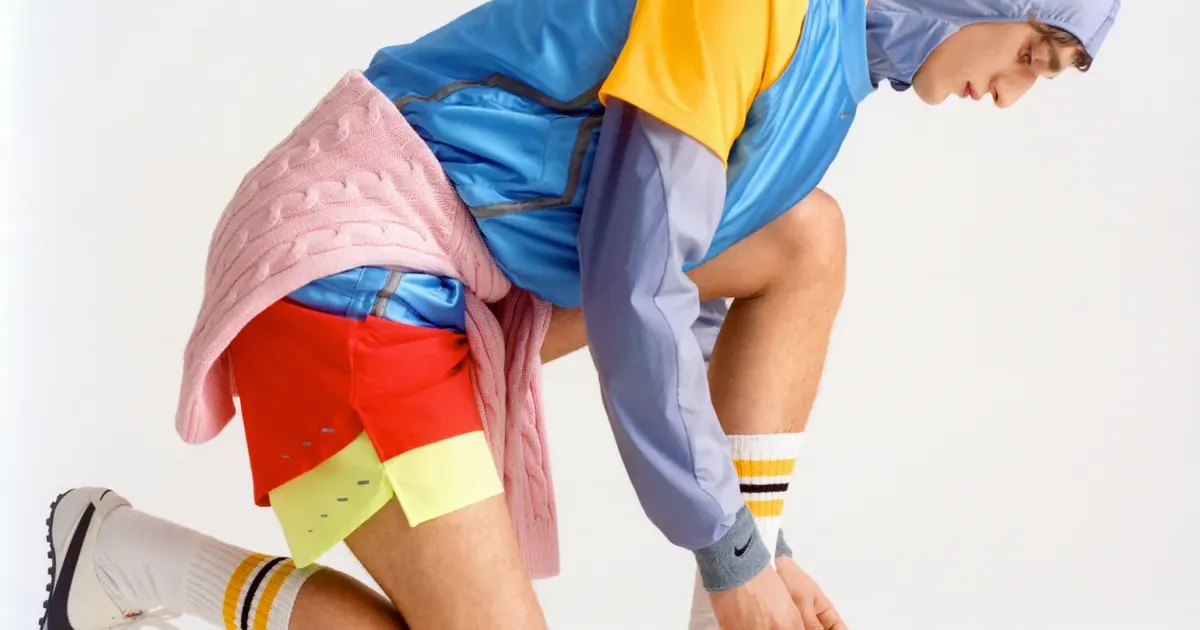
April 2, 2026, Nike leadership initiated a global campaign to reintroduce the Moon Shoe, a foundational silhouette that originally defined the company during the 1972 Olympic trials. Historical records indicate that Bill Bowerman, the co-founder of Nike, famously used a domestic waffle iron to create the traction patterns for these early performance models. Reviving this specific design aligns with a broader industry trend where legacy brands reach into their archives to satisfy a growing demand for authentic heritage products. Collectors often pay tens of thousands of dollars for original 1972 pairs, making this modern recreation a meaningful commercial play for the Beaverton based company. Prices for the upcoming release are expected to reflect its status as a premium archival reissue.

Reports from fashion insiders suggest that the revival of the Moon Shoe is not an isolated event. Retailers across North America and Europe are preparing for a season dominated by high-fashion partnerships that blend athletic utility with luxury aesthetics. Designers like Simon Porte Jacquemus have integrated technical performance elements into their latest collections, bridging the gap between the gym and the runway. Sneakers have evolved from niche athletic gear into the primary drivers of growth for the global luxury goods sector. Market analysts expect the Spring 2026 window to be a defining period for these high-margin collaborations.

Nike Heritage Strategy and the Moon Shoe Revival

Bill Bowerman once envisioned a shoe so light and gripped that it would give runners a competitive edge on grass and dirt surfaces. His experimentation led to the creation of the waffle sole, a breakthrough that propelled Nike into the forefront of the running world. Recreating the Moon Shoe requires a careful attention to detail to ensure the materials mimic the tactile feel of the original 1970s nylon and suede. Engineers have reportedly sourced specific textiles that offer the vintage look without compromising the durability expected by modern consumers. This resurrection allows the brand to own its narrative in a market flooded with replicas and third-party homages.

Success in the footwear industry currently relies on a brand's ability to monetize its past while maintaining a progressive posture. Archival releases often serve as the emotional anchor for a brand, reminding consumers of the innovation that built the company. According to GQ, the new Moon Shoe features a sleek design that honors its torpedo-like predecessor. Designers opted for retro spring colors that evoke the era of its birth, providing a visual contrast to the neon palettes common in contemporary performance footwear. Production numbers for this specific drop remain tightly controlled to maintain the aura of exclusivity that surrounds the Moon Shoe name.

The sportswear giant is dropping a sleek recreation of its ’70s waffle-soled Moon Shoes, the original torpedo kicks, in retro spring colors.

Heritage footwear attracts a demographic that values longevity and historical context over fleeting viral trends. Consumers in 2026 are increasingly cynical about synthetic hype and often prefer products with a documented lineage. Authenticity drives the secondary market where verified originals dictate the cultural relevance of a silhouette. Because the Moon Shoe is essentially the DNA of the modern sneaker industry, its return is a return to form for a brand seeking to reassert its dominance. Retail partners have expressed confidence that the combination of nostalgia and improved comfort will result in a rapid sell-out.

Jacquemus and Nike Luxury Performance Cooperation

Simon Porte Jacquemus continues his partnership with the American sportswear giant by announcing a spring collection that emphasizes minimalism and earthy tones. His approach to design often strips away the excess typically found in athletic gear, focusing instead on form and texture. Previous collaborations between these two entities sold out within minutes, establishing a blueprint for how luxury designers can successfully interpret performance wear. The upcoming spring sneakers feature unique lacing systems and subtle branding that appeals to a sophisticated audience. Vogue reports that the collaboration is one of seven essential sneaker partnerships to watch this season.

Profit margins for these luxury collaborations sharply exceed those of standard athletic releases. High-end materials such as premium leather and specialized mesh allow Nike to justify a higher price point while tapping into the Jacquemus customer base. Integration between these brands extends beyond footwear into apparel that emphasizes a Mediterranean lifestyle. Sales data from previous years show that these partnerships attract a younger, affluent demographic that is less sensitive to economic fluctuations. High-fashion houses now view sneaker collaborations as a necessary component of their seasonal strategy.

Performance remains at the core of the design process even when the final product is intended for social settings. Simon Porte Jacquemus reportedly insists on testing the footwear to ensure it meets the mechanical standards of a standard training shoe. This commitment to quality prevents the collaboration from being dismissed as a mere branding exercise. Enthusiasts often look for the small details, such as the JF1 metal dubrae or the specific stitching patterns, that differentiate these shoes from mass market offerings. Demand for the spring line is projected to hit record levels across digital platforms.

Thom Browne and Asics Enter the Spring Market

American designer Thom Browne has entered the sneaker space through a new partnership with Asics, a Japanese brand known for its technical excellence. Known for his signature gray suits and four-bar branding, Browne brings a sense of formal precision to the athletic world. Asics provides the performance foundation, using its Gel technology to offer superior cushioning. Combining Japanese engineering with American tailoring creates a product that feels both familiar and entirely new. These sneakers are designed to be worn with traditional menswear, challenging the convention that athletic shoes are inherently casual.

Collaborations involving Asics have seen a surge in popularity as the brand moves away from purely functional running shoes toward the lifestyle sector. Working with a designer of Browne's caliber indicates a desire to compete in the luxury tier alongside brands like Balenciaga and Gucci. The Thom Browne aesthetic is notoriously rigid, focusing on specific proportions and a limited color palette. Adapting these constraints to a performance sneaker required a multi-year development process. Collectors anticipate that the resulting footwear will become a staple for those who appreciate avant-garde fashion.

Market competition in the sneaker industry is intensifying as more luxury designers seek out technical partners. Brands like Asics offer the manufacturing expertise that fashion houses often lack, while the designers provide the cultural cachet needed to command premium prices. Spring 2026 marks a period where these boundaries are almost entirely erased. Success for the Thom Browne line will be measured by its ability to penetrate the Japanese and North American markets simultaneously. Early feedback from fashion week suggests that the gray-and-navy colorways will be the most sought-after items in the collection.

Historical Context of the Waffle Sole Innovation

Bowerman’s obsession with traction changed the trajectory of athletic performance forever. His original experiments involved ruined kitchen appliances and liquid urethane, but they birthed a multi-billion dollar industry. Modern manufacturing processes have refined the waffle sole, yet the core geometry remains virtually unchanged from the 1970s. This persistence of design proves that some innovations are so effective they do not require large modification. Consumers today appreciate this direct link to the pioneers of the sport. Every pair of Moon Shoes is a physical record of that initial spark of creativity.

Footwear brands frequently use these historical narratives to build emotional connections with their audience. Telling the story of the waffle sole reminds the public that Nike began as a grassroots effort focused on the needs of athletes. While the company has grown into a global giant, these archival releases ground its identity in a specific time and place. Historical accuracy in the materials and packaging further enhances the benefit for serious collectors. Marketing efforts for the spring release emphasize this legacy, positioning the Moon Shoe as not merely a piece of footwear. It is a functional artifact of athletic history.

Luxury brands have adopted similar storytelling techniques to justify their entry into the sneaker market. By partnering with established athletic companies, designers like Jacquemus and Thom Browne inherit a portion of that technical history. It creates a synthesis where the prestige of the fashion house is supported by the proven performance of the sportswear brand. Digital marketing campaigns are already flooding social media feeds with imagery that blends vintage sports photography with modern high-fashion editorials. The strategy appears to be working, as pre-order interest for the spring collections is currently outperforming previous years.

The Elite Tribune Strategic Analysis

Nostalgia is a convenient shield for a footwear industry currently bereft of revolutionary silhouettes. While the revival of the Moon Shoe is a masterstroke of marketing, it highlights a troubling reality: the world’s largest sportswear companies are increasingly reliant on their past to secure their future. Innovation has been replaced by curation, where the goal is no longer to invent the next waffle sole but to find the most profitable way to repackage the old one. The archival obsession provides a safe harbor for investors, but it risks stagnating the very creativity that made these brands iconic in the first place.

The partnership between Nike and Jacquemus, along with the Thom Browne foray into Asics, represents the final stage of the commodification of subculture. What was once the uniform of the outsider or the dedicated athlete is now a status symbol for the global elite. By pricing these collaborations at luxury levels, brands are effectively gatekeeping the culture they claim to celebrate. The trend creates a tiered system where the most innovative and aesthetically pleasing designs are inaccessible to the average consumer. Is the sneaker industry still about performance, or has it become a branch of the jewelry trade? The answer lies in the price tag.

The current market trajectory is unsustainable. Eventually, the archive will run dry, and the novelty of the luxury collaboration will fade. Brands that fail to invest in genuine, ground-up innovation will find themselves eclipsed by new entrants who are not afraid to break the mold. For now, the Moon Shoe will sell out, and the Jacquemus line will dominate Instagram feeds, but these are short-term wins in a long-term battle for relevance. Reliance on the past is a strategy of decline. Will Nike innovate or just iterate?