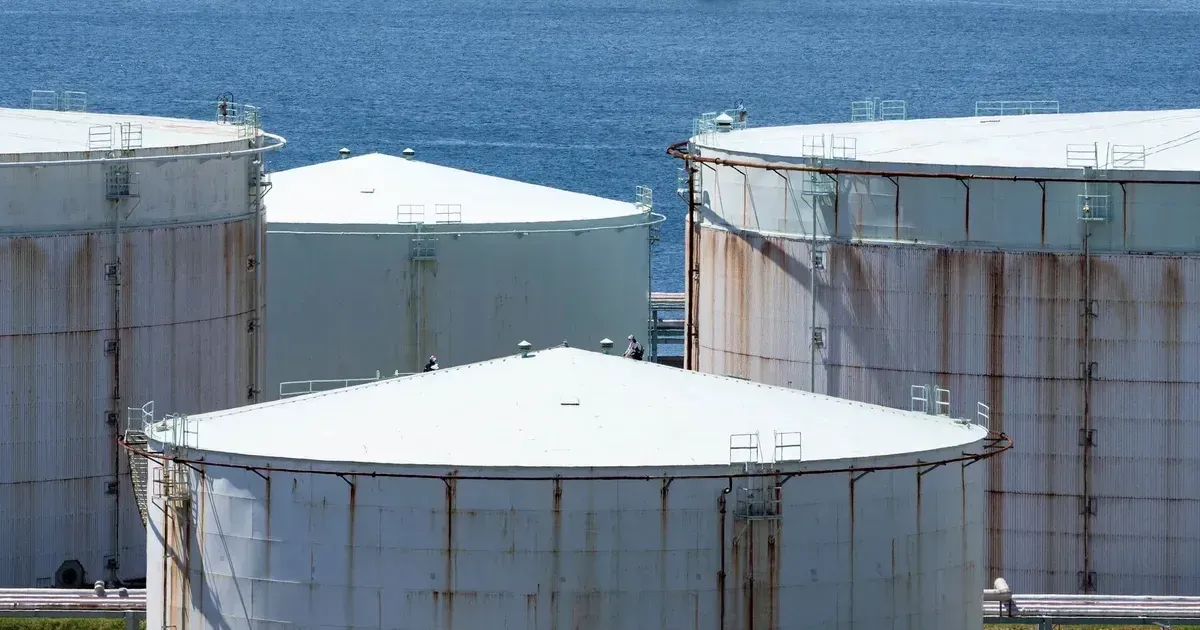
Traders on Wall Street pushed energy prices and equity indexes to higher levels while bracing for a critical update on the consumer price index. Brent crude futures ascended to 18-month highs during early morning sessions. Major stock benchmarks, including the S&P 500, gained ground despite a looming sense of caution regarding the resilience of the domestic economy. Market participants are currently focused on whether the upcoming data will force the Federal Reserve to maintain elevated interest rates for a longer duration. The market moved higher on April 10, 2026, before the release of the next inflation reading.
Geopolitical instability continues to underpin the recent surge in energy costs as diplomatic efforts in the Middle East encounter severe resistance. Negotiators working on a temporary cease-fire involving Iran reported significant setbacks during overnight talks in Geneva. These hurdles involve disagreements over maritime security protocols and the verification of troop withdrawals. Oil prices jumped in response to these developments, reflecting fears that a prolonged conflict could severely restrict supply from the Persian Gulf.
Investors are balancing these supply risks against the potential for cooling price pressures in the United States labor and housing sectors. Rising energy costs typically act as a tax on consumers, yet technology shares led a modest rally in the first hour of trading. Experts suggest that the market is attempting to price in a Goldilocks scenario where inflation moderates without triggering a recession. Daily trading volumes stayed below seasonal averages, indicating that many institutional players are staying on the sidelines until the government releases its official report.
Crude Prices Rise on Iran Conflict Uncertainty
Supply concerns took center stage as energy analysts revised their quarterly forecasts to account for the stalled diplomatic process. West Texas Intermediate futures surged beyond $95 per barrel for the first time in several months. Industry observers note that the lack of a clear path toward a truce has forced refineries to secure more expensive immediate deliveries. Such price action indicates that the cushion provided by strategic reserves is beginning to thin despite persistent regional tension. Stock markets, by contrast, found support in the energy sector as oil giants posted significant intraday gains. Many portfolios are shifting toward value stocks that benefit from higher commodity prices. This movement provides a necessary hedge against volatility in the broader indices. While high oil prices usually dampen corporate earnings, the current profit margins for domestic producers remain solid. Market leaders in the shale regions of Texas and North Dakota have already signaled intentions to increase drilling activity if prices stay above current thresholds.
Consumer sentiment appears increasingly sensitive to the price at the pump, which has climbed steadily over the last three weeks. Economists at several major banks have noted that high fuel costs could easily offset gains made in other areas of the economy. Federal data scheduled for release will provide the first thorough look at how these energy spikes are filtering into the core components of the economy. If energy inflation proves sticky, the path for interest rate cuts could narrow sharply before the summer months.
Federal Reserve Gauges Impact of Energy Costs
Policymakers at the Federal Reserve are monitoring these developments closely to determine if the recent oil price shock is a temporary blip or a structural shift. Rising energy prices have historically complicated the task of central banking by creating a conflict between growth and price stability. Current projections suggest that the headline inflation figure could exceed analyst estimates by at least ten basis points. Most officials have stated that they require more definitive proof of a downward trend before committing to a change in monetary stance.
“Global energy security hinges on stable transit routes that current diplomatic efforts have yet to secure,” according to a report from the International Energy Agency.
Diplomatic circles in Washington expressed frustration that the proposed cooling-off period failed to gain traction with regional actors. Iran maintains that its demands for sanctions relief must be met before any reduction in military posturing occurs. This deadlock ensures that the risk premium for crude oil stays elevated for the foreseeable future. Parallel to these talks, the United States has increased its diplomatic pressure on other oil-producing nations to ramp up output, though response has been tepid. Market volatility, meanwhile, has become a defining characteristic of the pre-inflation trading window. High-frequency trading algorithms are reacting sharply to every headline concerning the Geneva negotiations. Such rapid price swings can often trap retail investors who lack the tools to manage sudden shifts in momentum. Analysts have observed a sharp increase in options trading as participants seek to protect their positions against a potential downside surprise in the inflation data.
Global Supply Chains Brace for Prolonged Disruption
Cargo ships are already beginning to divert from traditional routes to avoid the heightened risk of drone strikes and seizures. These detours add roughly twelve days to standard transit times between Asia and Europe. Freight costs have jumped by twenty percent since the cease-fire talks hit their first major roadblock last week. Increased shipping expenses eventually find their way to retail shelves, creating a secondary wave of inflationary pressure that central banks struggle to combat with interest rates alone. Insurance premiums for vessels traveling through the Strait of Hormuz have reached levels not seen in a decade. Many smaller shipping firms have suspended operations in the area entirely until a formal truce is signed. Behind this move is the reality that even a minor incident could lead to a catastrophic spike in global energy costs. Global logistics networks are currently operating at near-maximum capacity, leaving little room for error or further delays in the supply chain.
United States manufacturing data released earlier today showed a slight contraction in new orders, possibly due to rising input costs. Factory managers are reporting that the uncertainty surrounding energy prices makes long-term planning nearly impossible. Raw material costs are rising alongside fuel prices, squeezing the margins of companies that cannot easily pass costs to consumers. If this trend persists, the industrial sector could face a cooling period that offsets the gains seen in the service economy.
Market Analysts Debate Inflation Persistence
Expectations for the upcoming report are currently divided between those who see a one-time energy spike and those who fear a return to high inflation. Short-term yields on Treasury notes rose slightly as the market adjusted its outlook for the second half of the year. Investors are particularly concerned that if gasoline prices stay high, the expectations of future inflation will become unanchored among the general public. Historically, once inflation expectations rise, they are much harder to bring down without a significant economic slowdown. Equity markets ended the session with the S&P 500 up zero point four percent, while the Nasdaq Composite gained zero point six percent. Technology companies that rely on global supply chains saw more modest growth compared to the energy and utility sectors. Professional traders are advising a defensive posture until the inflation data provides a clearer picture of the macroeconomic landscape. The resilience of the current bull market is facing its toughest test since the start of the regional conflict.
Gasoline prices at the retail level have reached a national average of four dollars per gallon in many states. This psychological threshold often triggers a change in consumer spending habits that can ripple through the entire economy. Retailers are already reporting a slight dip in discretionary spending as families prioritize fuel and food costs. Future economic growth depends heavily on whether these price pressures are contained before the peak travel season begins.
Energy Shock Challenges the Soft-Landing Case
Central bankers are playing a dangerous game of chicken with geopolitical realities they cannot control. The prevailing narrative that the Federal Reserve can engineer a perfect soft landing is becoming increasingly disconnected from the ground reality of $95 oil and a failed peace process in the Middle East. While the market celebrates modest gains in equity indexes today, it is ignoring the structural shifts that are making inflation more permanent and less responsive to traditional monetary tools.
Optimism is a luxury the current data does not support. Iran has no incentive to provide the United States with a diplomatic victory that would lower energy prices and ease domestic political pressure. By maintaining a state of perpetual friction, Tehran effectively controls the global inflation narrative, forcing Western central banks to choose between crushing their own economies with high rates or allowing inflation to erode the purchasing power of their citizens. The hurdles facing the cease-fire are not mere technicalities; they are a deliberate strategy of economic attrition. Wall Street is once again mistaking volatility for opportunity. The upcoming inflation report is unlikely to provide the clarity that traders desire. Instead, it will likely confirm that the easy progress on disinflation is over. Investors who remain overexposed to growth stocks while ignoring the geopolitical floor under commodity prices are inviting a serious correction. Prepare for a prolonged period of stagnant growth and stubborn prices. The era of cheap energy and predictable policy has ended.