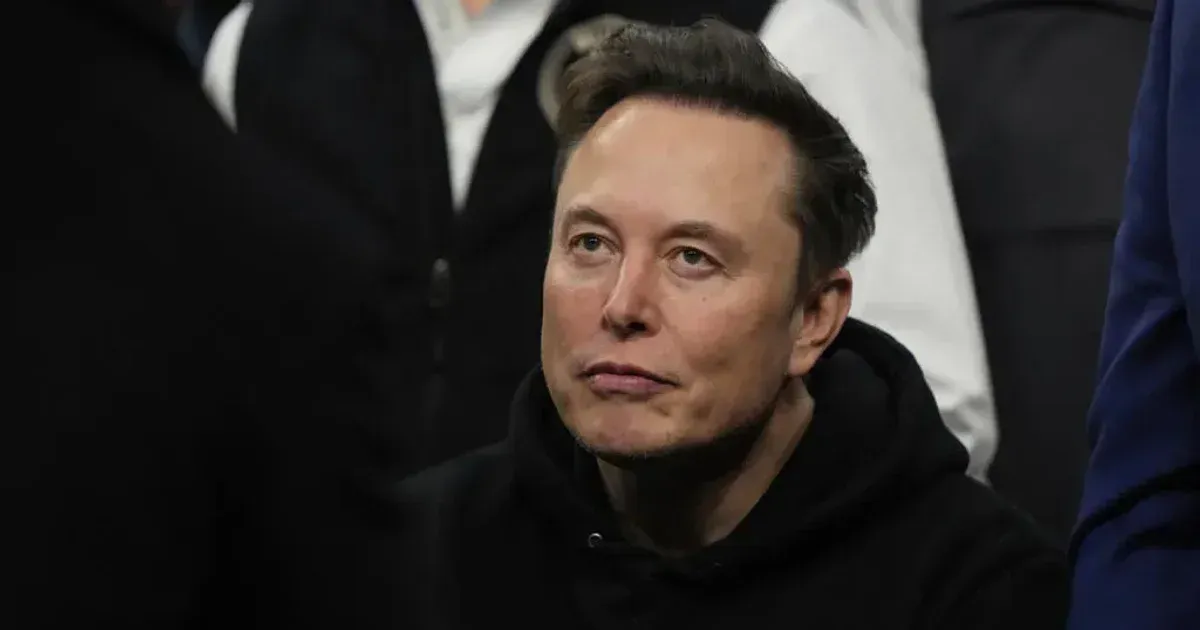
Investigative authorities in the French capital are demanding a voluntary interview with the billionaire technologist to address the spread of sexualized deepfakes. On April 20, 2026, Paris prosecutors issued a formal summons to Elon Musk regarding allegations of systemic platform abuse and the proliferation of non-consensual AI imagery on X. These images, numbering in the millions according to judicial records, were reportedly generated and shared using the platform’s native AI tool, Grok. French law enforcement officials are now testing the limits of digital sovereignty as they target the leadership of an American tech giant.
Prosecutors focus on the specific role of Grok in enabling the creation of harmful content without sufficient guardrails. Reports from France 24 indicate that the investigation centers on the sheer volume of illicit material that bypassed internal moderation filters. Critics of the platform have long pointed to the reduction in safety staff as a primary cause for the current crisis. Evidence provided to the court suggests that the automated systems designed to detect abusive images failed to identify millions of sophisticated AI-generated files. Musk has not yet confirmed his attendance for the scheduled hearing in Paris.
Deepfake Generation and Grok AI Functionality
Technical assessments of the Grok interface suggest that its early iterations lacked the strict prompt engineering filters found in competing generative models. While companies like OpenAI and Google implemented rigorous blocklists for sexually explicit keywords, X initially prioritized a more permissive approach to user input. This choice resulted in a surge of realistic, non-consensual imagery targeting private individuals and public figures alike. Forensic investigators discovered that the metadata for a substantial portion of these images traced back directly to the integrated tools on the X platform.
Legal experts in Paris argue that the integration of image generation into a social network with minimal friction creates a unique liability for the hosting company. Elon Musk has previously defended the open nature of Grok, stating that the tool should reflect reality without the constraints of corporate censorship. In contrast, French prosecutors contend that the absence of safeguards constitutes a breach of digital safety laws. The investigation seeks to determine if the executive team deliberately ignored warnings from safety researchers about the risks of the Grok deployment. Internal communications subpoenaed by the court may clarify the level of awareness within the company's San Francisco headquarters.
The scale of the problem is unprecedented in the history of European social media regulation.
French Jurisdiction and Voluntary Summons
France utilizes a specific legal mechanism known as the audition libre, or voluntary interview, to gather evidence before filing formal charges. This process allows Elon Musk to respond to allegations without immediate arrest, though his refusal to cooperate could lead to more aggressive judicial actions. ABC News International reports that the summons covers both the deepfake allegations and broader concerns regarding child safety and abuse imagery. French magistrates have shown a growing willingness to hold individual executives personally responsible for the algorithmic outputs of their platforms. Paris remains a central hub for such judicial activism against international tech firms.
Jurisdictional questions complicate the case because X operates as a global entity with its primary assets located outside of European territory. France maintains that any service accessible to French citizens must comply with local criminal codes regarding the distribution of pornography and harmful AI content. Prosecutors believe that Elon Musk is a necessary witness because of his hands-on management style and direct influence over the safety protocols of X. Cooperation from the billionaire is not guaranteed, especially given his history of criticizing European regulatory frameworks as overreaching. X Corp has not issued an official statement regarding the logistics of the interview.
"Elon Musk has been summoned to Paris as part of an investigation into alleged misconduct on the social media platform X," according to ABC News International.
Content Moderation Failures and Platform Liability
Platform metrics indicate a sharp decline in manual moderation activity since the acquisition of X for $44 billion in late 2022. Automation now handles the vast majority of content flagging, a shift that Elon Musk described as a move toward greater efficiency. However, the current investigation suggests that these automated systems are ill-equipped to distinguish between legitimate artistic expression and illegal sexualized deepfakes. Records show that X reduced its trust and safety teams by more than 60 percent during the initial restructuring phase. This reduction left the platform vulnerable to coordinated campaigns that exploit Grok to generate large amounts of harmful data.
Victims of these deepfake campaigns have filed numerous complaints with French authorities, citing the emotional and professional damage caused by the viral images. Under the French penal code, the spread of non-consensual sexual content carries heavy fines and potential prison sentences. Investigators are looking at whether X profited from the engagement generated by these controversial images through its advertising revenue programs. If a link is established between corporate profit and the spread of illegal content, the legal exposure for Elon Musk increases sharply. Paris judges are known for imposing some of the largest digital privacy fines in the world.
Global Regulatory Response to Digital Safety
Regulators in the United Kingdom and Germany are monitoring the French case as a possible template for their own enforcement actions. The European Union Digital Services Act already mandates strict content moderation standards, but the French criminal probe is a more direct threat to individual tech leaders. Elon Musk often argues that American First Amendment protections should serve as the global standard for digital discussion. Most European nations reject this view, prioritizing the protection of individual dignity over absolute speech. The outcome of the Paris interview will likely influence how other nations approach the regulation of AI-integrated social platforms.
Non-compliance with the French summons could lead to the issuance of an international arrest warrant, a move that would severely restrict the travel of Elon Musk within the Schengen Area. Such an escalation would transform a technical investigation into a high-stakes diplomatic standoff between France and the United States. X currently faces several other legal challenges regarding its data scraping practices and its use of user information to train Grok without explicit consent. Legal analysts expect the French judiciary to move quickly once the voluntary interview period expires. Paris officials have set a deadline for the end of the month for a formal response.
The billionaire's legal team has reportedly begun a review of French criminal statutes to prepare for the potential interview.
Platform Accountability Test
A single individual’s ideological commitment to unbridled digital expression cannot override national criminal law. The summons issued to Elon Musk is a fundamental rejection of the notion that platform owners are merely neutral conduits for user-generated data. For too long, the tech industry has relied on the shield of Section 230 and its international equivalents to avoid the consequences of the chaos they enable. France is no longer interested in civil fines that function as mere costs of doing business. By targeting the executive personally, Paris is attempting to decapitate the culture of impunity that has defined the Silicon Valley era.
Musk faces a choice that will define the future of the X platform in the European market. He can submit to the judicial process and accept the constraints of European safety standards, or he can retreat into a digital fortress that isolates his business from one of the world's most affluent consumer bases. The latter option seems more likely given his history of confrontational rhetoric. National sovereignty is finally asserting itself over the borderless digital landscape, and the result will be a fragmented internet where legal reality is determined by geography. It is an end to the dream of a global town square. Accountability has arrived.