More Perfect Union executives launched a new campus organizing initiative on April 15, 2026, aimed at directly challenging the dominance of Turning Point USA. Known as More Perfect University, the program seeks to identify and train a fresh cohort of digital creators and activists within American universities. Organizers intend to provide students with the production resources and narrative training needed to promote economic populist messages. Traditional youth outreach efforts by the Democratic Party have struggled to maintain momentum, leaving a void that conservative organizations filled years ago.

This investment is a shift away from standard door-knocking toward a sophisticated media-first strategy. Early internal reports indicate the program will initially debut at fifteen major public universities in swing states including Michigan, Pennsylvania, and Arizona. Budgetary allocations for the first phase of the rollout are estimated to be in the millions of dollars.

Leaders of the group identified a pressing need to counteract the digital reach of right-wing influencers who have dominated student discussion for nearly a decade. Turning Point USA, the organization founded by Charlie Kirk, currently maintains a presence on hundreds of campuses and generates billions of social media impressions annually. Its success relies on a high-energy mix of cultural grievances and free-market advocacy. By contrast, the new initiative from More Perfect Union focuses almost exclusively on labor rights, corporate accountability, and the rising cost of living.

Staffers at the media organization believe that economic anxiety is the most effective lever for re-engaging Gen Z voters. Recent polling suggests that young voters are increasingly disillusioned with mainstream political institutions but remain highly motivated by specific economic struggles. These struggles include student debt, high rents, and the lack of collective bargaining power in the modern workplace.

Digital Strategy and the Battle for Student Attention

Digital engagement is the primary metric of success for this new venture. Instead of the typical chapter-based model that requires physical offices and rigid hierarchies, the program prioritizes the creation of viral content. Participating students will receive training in video editing, scriptwriting, and algorithmic optimization. Professionals from the parent organization will mentor these students to ensure their content meets high production standards. This decentralized approach allows for a faster response to campus-specific news and national events. Organizers hope to create a network of micro-influencers who can speak to their peers in a language that feels authentic and unscripted.

Unlike the top-down messaging often seen in national campaigns, this content will be localized to reflect the specific grievances of individual student bodies. Success in this arena requires constant adaptation to the ever-shifting preferences of social media platforms like TikTok and Instagram.

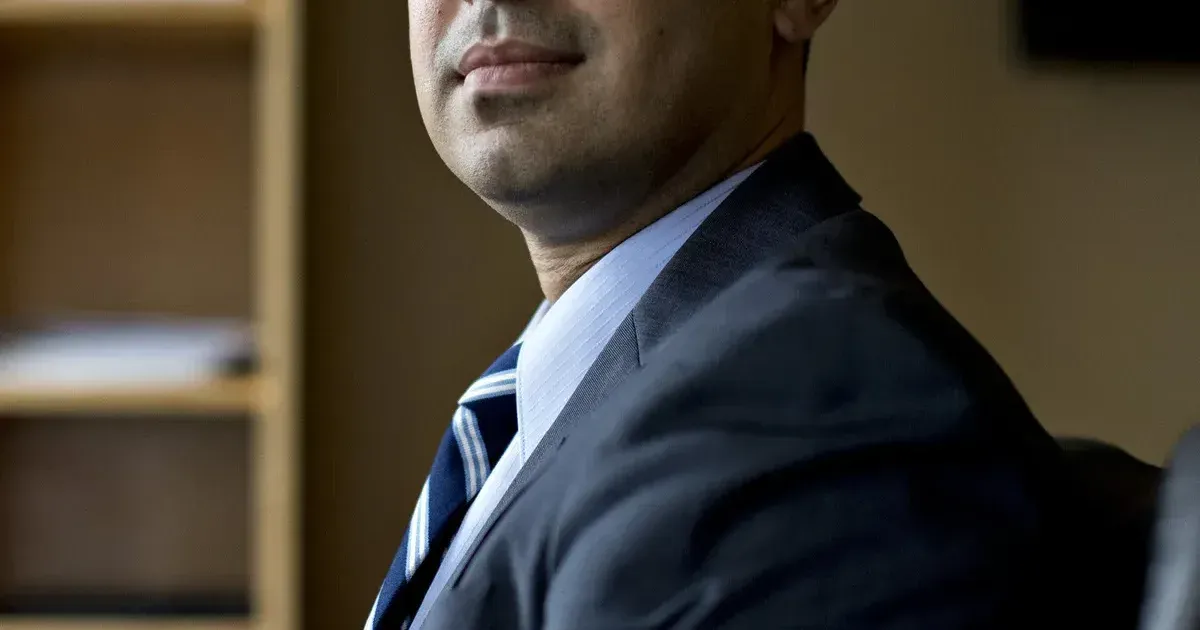
Labor unions and progressive donors have signaled their support for the expansion of these student networks. Faiz Shakir, the founder of the organization and a former senior advisor to Senator Bernie Sanders, has long argued that the left needs its own solid media ecosystem. Previous attempts to build such infrastructure often failed due to a lack of consistent funding or an over-reliance on traditional television advertising. By focusing on students, the group is attempting to build loyalty at an earlier stage in the political lifecycle.

Critics of the plan argue that progressive messaging often fails when it becomes too academic or disconnected from the everyday concerns of the working class. To avoid this trap, the curriculum for the student creators focuses on storytelling rather than abstract policy debate. The emphasis stays on the human cost of corporate decisions and the benefits of organized labor. Reports from the launch event indicate that several major service-sector unions have already pledged logistical support for the campus creators.

"Our mission is to arm a new generation of leaders with the storytelling skills necessary to expose corporate greed and advocate for working families on every major campus in America," stated a More Perfect Union press release on the launch.

Financial disparity remains the most serious hurdle for the new program. While Turning Point USA reportedly operates with an annual budget exceeding $80 million, the progressive startup is working with a fraction of those resources. Conservative donors have historically viewed campus activism as a long-term investment in the judicial and legislative future of the country. Progressive funding has been more erratic, often surging during presidential cycles and evaporating shortly after. Organizers at More Perfect University are attempting to break this cycle by securing multi-year commitments from their backers.

They are also leveraging the existing infrastructure of the parent media company to reduce overhead costs. By sharing editors, producers, and researchers, the student program can operate more efficiently than a standalone nonprofit. Initial recruiting for the program began in early March, with over five hundred students applying for the first round of creator fellowships.

More Perfect Union Aims to Reverse Youth Voting Trends

Data from the 2024 election cycle indicated a striking erosion of support for progressive candidates among young men in particular. This trend alarmed Democratic strategists who had previously taken the youth vote for granted. Observations from campus organizers suggest that conservative messaging on entrepreneurship and individual liberty has connected with male students. More Perfect University intends to counter this by framing labor solidarity as a form of collective strength and community building. Their content focuses on the dignity of work and the necessity of high wages for achieving personal independence.

The messaging is designed to appeal to students across the political spectrum who feel cheated by the current economic system. If the program can successfully reframe the debate around class instead of culture, it could potentially halt the rightward drift of Gen Z. Early testing of these narratives in focus groups showed a high level of resonance among students who were previously apolitical.

University administrators have expressed cautious interest in the program as a means of increasing civic engagement. Many campuses have seen a decline in traditional student government participation and a rise in polarized digital bubbles. Program directors claim their initiative encourages students to engage with their local communities and investigate local issues. One project involves students documenting the working conditions of campus employees, such as dining hall workers and janitors. By connecting student activists with campus labor unions, the program creates a bridge between different generations of the workforce.

The practical application of progressive theory is intended to make the movement feel more real and less ideological. Students who participate in these projects gain real-world experience in investigative journalism and community organizing. These skills are increasingly valuable in a job market that prizes digital literacy and communication ability.

Comparison of Operational Models with Turning Point USA

Structural differences between the two organizations highlight their competing philosophies of power. The conservative model relies heavily on charismatic leadership and large-scale national events like the Student Action Summit. These events serve to build a sense of identity and belonging among young conservatives. In contrast, the progressive program focuses on the technical aspects of media production and the specifics of local labor disputes. There is less emphasis on a single figurehead and more on the collective output of the student network.

The model is more difficult to manage but may be more resilient to the controversies that often plague centralized organizations. However, the lack of a central celebrity figure could make it harder for the group to gain the same level of mainstream media attention. The success of the project will depend on whether a group of loosely affiliated creators can match the disciplined messaging of a more hierarchical rival.

Political analysts at several major universities are watching the rollout closely to see if it impacts voter registration rates. Historically, the youth vote has been the most volatile segment of the electorate, with turnout fluctuating wildly between cycles. By maintaining a constant presence on campus through digital content, More Perfect University hopes to keep students engaged year-round. The approach moves beyond the frantic get-out-the-vote drives that typically occur in the final weeks before an election. Constant engagement builds a durable political identity that is less likely to fade after the polls close.

The group is also exploring ways to integrate its content into the curricula of communications and political science departments. It would provide a level of institutional legitimacy that few other campus groups possess. Faculty members at several institutions have already expressed interest in using the organization's media tools for classroom projects.

Expanding the program to reach students at community colleges and trade schools is a long-term goal for the organizers. Most campus activism is concentrated at elite four-year institutions, which often alienates students from working-class backgrounds. By targeting schools that have been overlooked by traditional political machines, the group aims to broaden the base of the progressive movement. These students are often the most directly impacted by the economic issues that form the core of the group's messaging. They are also the least likely to have access to the production resources provided by the program.

Providing these tools to a more diverse range of students could sharply alter the character of student activism in the United States. The first community college pilot program is scheduled to begin in the fall of 2026. Data gathered from this pilot will determine the pace of further expansion into the vocational education sector.

The Elite Tribune Strategic Analysis

Does the sudden emergence of a progressive campus rival mean a genuine grassroots awakening or merely a panicked response to shifting electoral demographics? The reality is that the left has allowed the right to build a large head start in the battle for student hearts and minds. For over a decade, Turning Point USA has operated with a clarity of purpose and a level of funding that progressive groups have failed to match.

The new effort by More Perfect Union feels like a desperate attempt to play catch-up in a game where the rules have already been written by their opponents. While the focus on labor rights is a necessary pivot, it is unclear if TikTok videos about collective bargaining can compete with the high-octane cultural grievances that drive conservative engagement. The progressive movement has long struggled with a messaging problem that prioritizes intellectual purity over emotional resonance.

If they cannot learn to speak to the gut as well as the head, this program will likely become another expensive footnote in the history of failed youth outreach.

The strategy also ignores the fundamental reality that Gen Z is increasingly skeptical of all institutional branding, including those from the left. Manufactured "influencer" campaigns often feel hollow and performative to a generation that has grown up with a sophisticated understanding of digital marketing. More Perfect Union risks creating a mirror image of the very astro-turfed movements they claim to oppose. If the content produced by these students feels like a corporate product of a DC-based media firm, it will be ignored.

True campus movements are born in the dorm rooms and the streets, not in the production studios of a political nonprofit. The group's heavy reliance on labor union funding also introduces a layer of institutional bureaucracy that could stifle the creativity and spontaneity required for digital success. A youth movement that is too closely tied to the old guard of the labor movement may find itself unable to adapt to the fluid nature of modern student life.

Winning back the youth vote will require not merely better cameras and more savvy editors. It requires a shift in the policy priorities of the Democratic establishment, something that a media organization cannot achieve on its own. Unless the students see real-world results from the activism they are being encouraged to perform, they will eventually lose interest. The gap between progressive rhetoric and the reality of life on campus is wide and continues to grow. Without substantive changes in the material conditions of students, no amount of viral content will save the progressive movement from its current decline. A desperate play.