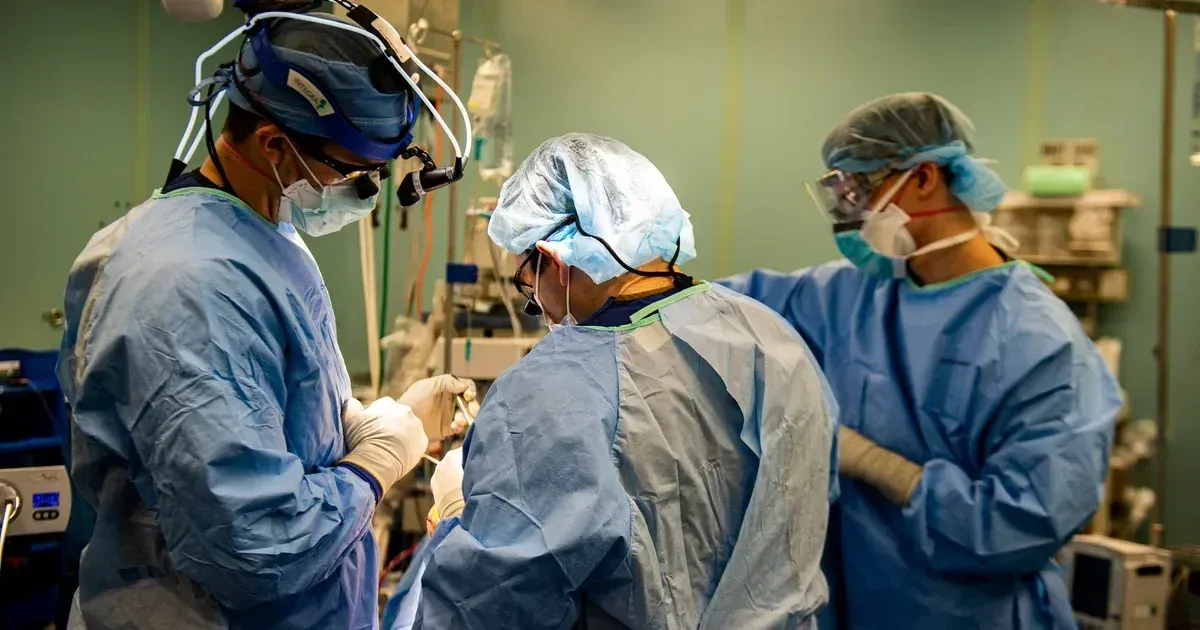
Dr. Thomas Shaknovsky stood in silence as law enforcement officers placed him in handcuffs on April 25, 2026, concluding a criminal investigation that began in a Florida operating room more than a year ago. Police bodycam footage released by the Walton County Sheriff’s Office captures the moment investigators confronted the surgeon regarding the death of a 70-year-old patient. Dr. Thomas Shaknovsky now faces serious charges connected to a surgical procedure performed at Ascension Sacred Heart Emerald Coast hospital that resulted in immediate fatality. The arrest occurred after months of forensic review and medical board testimony regarding the events of August 2024.
Florida Police Execute Arrest Warrant
Officers arrived at the residence of the surgeon following a multi-agency investigation involving the Florida Department of Health and local prosecutors. Evidence collected during the initial probe suggests a catastrophic deviation from standard surgical protocols occurred during what should have been a routine splenectomy. Witnesses within the operating suite reported that the surgeon mistakenly removed a different organ, which caused uncontrollable hemorrhaging on the table. Investigators spent over twelve months reconciling witness statements with the final autopsy report issued by the medical examiner. This careful approach ensured the criminal charges met the high evidentiary threshold required for medical manslaughter cases.
Walton County deputies recorded the entire interaction as they processed the surgeon for transport to the local detention center. Law enforcement sources indicate that the surgical error was went beyond civil negligence but reached the level of criminal culpability. Prosecutors argue the surgeon ignored multiple warning signs and physical indicators that he was operating on the wrong anatomical structure. The victim, William Bryan, had traveled to the region for a short vacation when he required emergency medical intervention. Medical records show the procedure was intended to address issues with his spleen, yet the liver was extracted instead.
Ascension Sacred Heart Hospital Accountability
Management at Ascension Sacred Heart released a brief statement confirming they have cooperated with all law enforcement requests since the evening of the incident. Internal reviews conducted by the hospital led to the immediate termination of the surgeon’s privileges shortly after the death of the patient. Administrative leaders faced intense scrutiny regarding how such an error could bypass the standard "time-out" protocols designed to prevent wrong-site or wrong-organ surgeries. These safety checks are mandatory in every American hospital, requiring the entire surgical team to pause and verify the patient identity and the specific surgical site. Documentation from the night in question suggests these protocols were either ignored or performed with insufficient attention to detail.
“Dr. Shaknovsky’s continued practice constituted an immediate serious danger to public health, safety or welfare,” the state suspension order said.
Legal filings from the Florida Department of Health previously detailed the severity of the clinical failure. State officials noted that the surgeon labeled the removed organ as a spleen even though it was clearly a liver upon gross examination. Pathologists at the hospital were reportedly the first to identify the error after receiving the tissue for analysis. Their findings triggered an immediate report to the Chief Medical Officer, who then initiated the notification of the family and state regulators. Such an error is classified as a "never event" in the medical industry, referring to mistakes that should never occur if safety guidelines are followed.
Medical Board Oversight and Professional Standards
Surgeons across the country have monitored the case closely due to its potential impact on medical liability and criminal prosecution. While most surgical errors are handled in civil court through malpractice lawsuits, the Walton County State Attorney determined that the facts of this case warranted a criminal grand jury. Proponents of the arrest argue that extreme recklessness in the operating room must carry the same weight as reckless behavior in any other high-stakes profession. They point out that the liver and spleen are located in different quadrants of the abdomen and possess distinct physical characteristics. Mistaking one for the other requires a deep lapse in anatomical recognition and surgical focus.
Medical board records indicate that Dr. Shaknovsky had practiced for several years without major disciplinary actions prior to the 2024 incident. However, the sheer scale of this specific failure prompted the board to seek permanent revocation of his license. The prosecution intends to use the surgeon’s own post-operative notes as evidence against him during the trial. Those notes allegedly contained descriptions of a spleen that did not match the biological reality of the organ sitting in the pathology lab. Defense attorneys are expected to argue that the patient’s condition was critical and that surgical complications can lead to confusion in high-pressure environments.
Legal Consequences for Surgical Errors
State laws in Florida provide a specific framework for prosecuting medical professionals when their actions go beyond simple mistakes. Criminal negligence requires proof that the defendant showed a reckless disregard for human life or the safety of others. The Walton County Sheriff’s Office spent hundreds of hours interviewing nurses, anesthesiologists, and surgical technicians who were present in the room. Many of these individuals have been granted immunity or are serving as key witnesses for the state. Their testimony is expected to provide a second-by-second account of how the procedure unraveled. The legal team representing the Bryan family has also filed a separate civil action seeking damages for wrongful death.
Beverly Bryan, the widow of the deceased, has been vocal about her desire for criminal accountability since the day her husband died. She maintains that the hospital and the surgeon failed in their most basic duty to protect the patient. Legal experts suggest that the outcome of this trial will be cited in future cases involving medical errors across the United States. If a conviction is secured, it may lead to stricter legislative oversight of surgical training and credentialing processes. For now, the surgeon remains in custody pending a bond hearing scheduled for next week. He has not yet entered a formal plea to the charges of manslaughter.
Wrong-Organ Surgery Turns Medical Negligence Into Criminal Accountability
Sentencing a surgeon to prison for a clinical failure shifts the entire paradigm of medical malpractice into the area of criminal justice. This case is not a typical debate over a missed diagnosis or a subtle complication; it is a clinical absurdity that challenges the very foundation of medical trust. When a liver is removed instead of a spleen, the defense of "human error" becomes an insult to the intelligence of the public. Such a large anatomical failure suggests a level of professional detachment that cannot be reduced by the pressures of an emergency room environment.
Ascension Sacred Heart and other major healthcare networks must realize that procedural checklists are worthless if they are treated as bureaucratic hurdles rather than life-saving mandates. The culture of the operating room often defers to the surgeon as an infallible authority, a dynamic that clearly contributed to this tragedy. If the nurses or technicians in that room saw the error unfolding and remained silent, the failure is systemic, not just individual. This arrest is a necessary, albeit late, correction to a system that too often protects its own at the expense of the patient.