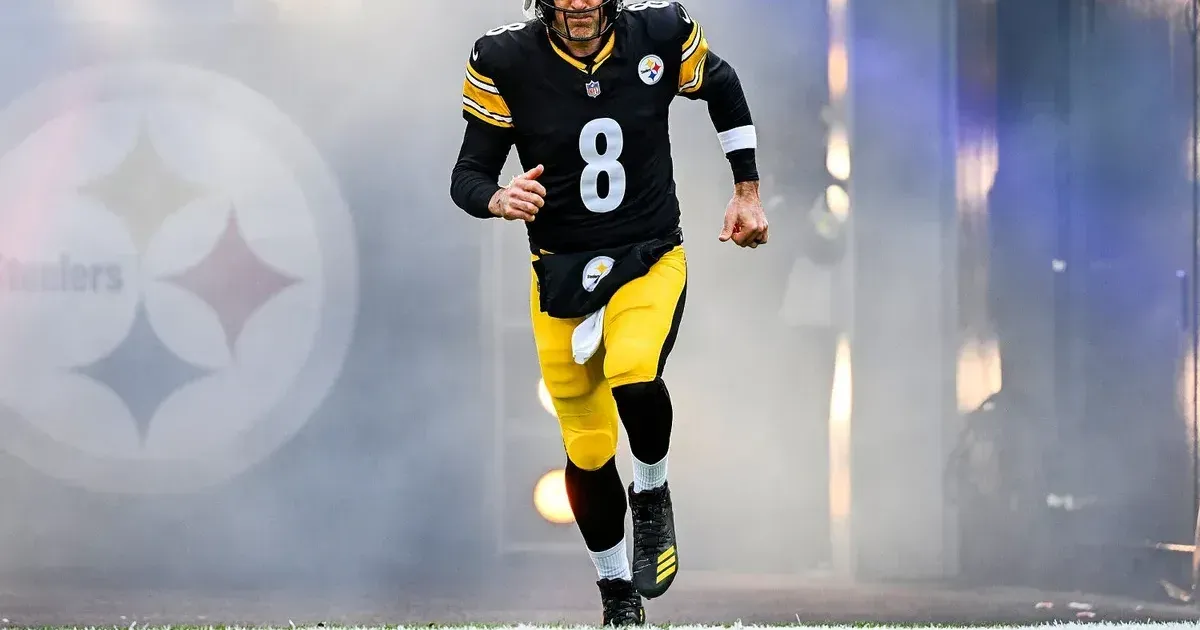
Pittsburgh Steelers general manager Omar Khan shifted the franchise direction on April 25, 2026, by selecting Penn State quarterback Drew Allar in the third round. This decision marks the beginning of the end for the veteran leadership in the Steel City. Scouting reports had linked the team to several developmental projects, but the choice of Allar suggests an immediate focus on post-Rodgers stability. Aaron Rodgers arrived in Pittsburgh with expectations of a championship, yet his mobility and production dipped sharply during the 2025 campaign. Selection 74 is the insurance policy long demanded by a vocal segment of the fanbase. The move now reshapes offseason leverage.
Draft analysts across the country immediately pivoted their focus to the salary cap implications of this move. Rodgers carries a heavy financial burden into the 2026 season, making the addition of a rookie contract essential for roster flexibility. Allar provides a physical profile that contrasts sharply with the aging starter. His arm strength and pocket presence at Penn State convinced the Steelers front office that he can withstand the rigors of the AFC North. Pittsburgh scouts spent months evaluating his performance in high-pressure Big Ten matchups.
Pressure now mounts on the coaching staff to manage the transition without alienating a future Hall of Famer. Experience suggests that veteran quarterbacks rarely embrace their eventual replacement with open arms. Rodgers has yet to comment publicly on the draft choice. Front office insiders suggest the team communicated the plan to the starter before the pick was finalized. Pittsburgh officials believe the move protects the long-term health of the organization.
Pittsburgh Signal Caller Succession Plan
Management in Pittsburgh rarely acts on impulse, and the Drew Allar pick followed a season of internal debate regarding the quarterback room. Scouts prioritized a player who could sit for a year while learning the complexities of the professional game. Allar fits this mold perfectly. He possesses the raw talent to eventually lead the offense but requires refinement in his progression reads. Penn State coaches praised his work ethic and leadership throughout his collegiate career.
Succession planning in the NFL often creates locker room tension that requires delicate handling. Head coach Mike Tomlin faces the task of maintaining Rodgers' confidence while integrating Allar into the system. Previous attempts by other franchises to bridge the gap between legends and rookies have yielded mixed results. The Steelers, however, have a history of prioritizing stability over short-term narrative cycles. Fans in western Pennsylvania expect a seamless transition that keeps the team in playoff contention.
Allar arrived in the third round as a benefit for a team that had other pressing needs on the offensive line. Coaches decided that the opportunity to grab a top-tier quarterback prospect was too valuable to pass up. The draft board fell in a way that allowed Pittsburgh to stay patient. They did not have to trade up to secure their target. This selection was part of a broader trend of NFL Draft 2026 strategies focusing on long-term veteran protection.
Drew Allar Pick Ends the Illusion of a Long Rodgers Era
When does veteran loyalty become institutional negligence? The Pittsburgh Steelers provided a definitive answer on April 25, 2026, by ignoring the ego of Aaron Rodgers and drafting his replacement. This move was not a slight against a legend; it was a cold, calculated realization that Rodgers is a diminishing asset in a league that rewards youth and mobility. Pittsburgh management effectively admitted that the Rodgers experiment has reached its ceiling. By taking Drew Allar, they have signaled that the future starts now, regardless of how many MVP trophies are in the starter's cabinet.