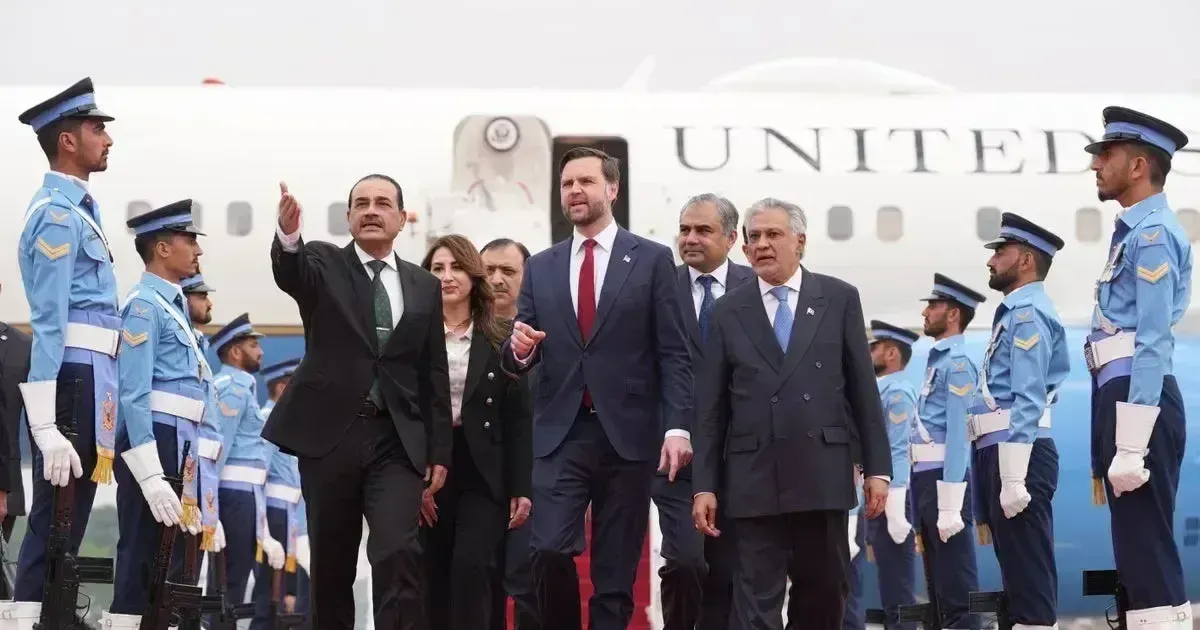
Abbas Araghchi arrived in Pakistan on April 24, 2026, to initiate a diplomatic sequence that could determine the trajectory of Middle Eastern stability for the next decade. Iranian Foreign Minister Abbas Araghchi landed in Islamabad under heavy security, signaling a potential shift in the regional blockade that has defined the last two years of international relations. Reports from Islamabad indicate that the minister intends to coordinate with regional partners before engaging directly with American representatives.
Steve Witkoff and Jared Kushner are scheduled to meet with the Iranian delegation this weekend to start the second round of formal peace negotiations. Presidential negotiators Witkoff and Kushner represent a specialized diplomatic unit tasked with resolving the complex conflict that has drained global energy supplies. CBS News reports that the meeting aims to build upon the preliminary framework established during the first round of secret talks held earlier this spring. Verification of the exact location remains restricted for security reasons.
Donald Trump expressed confidence in the negotiating team but offered a distinct assessment of the power structure currently operating within Tehran. Intelligence officials suggest that decision-making in Iran is no longer exclusively centralized around the supreme leader. Analysts observe that a new period of factional alignment has narrowed the gap between previously opposing wings of the Iranian regime. Power now appears to reside in a collective of security officials and political elites who move in lockstep. Donald Trump has noted this internal shift as a primary factor in his decision to re-engage with the Islamic Republic.
Abbas Araghchi and the Pakistan Diplomatic Circuit
Pakistan provides a neutral setting for these sensitive interactions because of its enduring history of hosting back-channel communications between the West and the Persian Gulf. Foreign Minister Abbas Araghchi plans to meet with Pakistani leadership to discuss border security and regional trade before the American envoys arrive. Previous efforts in this region often stalled due to third-party interference. Islamabad currently maintains a delicate balance by enabling these talks without officially taking a side in the dispute. The specific arrival time of the American delegation has not been made public.
Negotiations will likely focus on the cessation of hostilities and the lifting of various economic sanctions that have crippled the Iranian banking sector. Araghchi faces pressure from domestic hardliners to secure immediate relief without compromising on the nation's nuclear ambitions. Recent internal reports suggest the Iranian economy is operating at a fraction of its capacity. Military expenditures continue to consume a vast portion of the national budget. Failure to reach a consensus in Pakistan could lead to further domestic unrest within the Iranian provinces.
Economic Toll of Iran Conflict on US Consumers
American households are feeling the immediate impacts of the prolonged conflict through record-high energy prices and supply-chain disruptions. Economists warn that the financial hit from the war could linger through the end of 2026, even if a ceasefire is reached this weekend. Pump prices for regular gasoline have increased by an average of thirty percent since the start of the year. Grocery costs have followed a similar upward trajectory due to the rising expense of diesel transportation and petrochemical fertilizers. Financial markets remain volatile as traders await news from the Islamabad summit.
Supply chains for consumer electronics and automotive parts have also suffered as shipping lanes in the Strait of Hormuz remain unstable. Insurance premiums for cargo vessels in the region have reached prohibitive levels, forcing many companies to divert ships around the Cape of Good Hope. This detour adds weeks to delivery times and thousands of dollars in fuel costs per voyage. An estimated $11 billion in trade value is delayed or lost each month due to these maritime security issues. Industrial output in the American Midwest has slowed as manufacturers wait for critical components caught in the logistical bottleneck.
“Decision-making in Iran is no longer centralized around the supreme leader, and there is not a huge gap between different factions within the regime,” sources familiar with the talks said.
Federal Reserve officials are monitoring these inflationary pressures as they decide whether to maintain current interest rates. High energy costs act as a hidden tax on the American public, reducing discretionary spending and slowing overall economic growth. Analysts from major Wall Street firms suggest that a successful outcome in the Pakistan talks would lead to an immediate drop in crude oil futures. By contrast, a breakdown in negotiations would likely trigger a new wave of market panic. Domestic political pressure mounts on the administration to deliver a concrete resolution before the winter heating season begins.
Power Shifts and Leadership Dynamics in Tehran
Tehran's internal political structure has undergone a metamorphosis that complicates traditional diplomacy. Observers in the intelligence community point to the rising influence of the Revolutionary Guard in civil administration. This shift means that Witkoff and Kushner are negotiating with a regime that is more pragmatic but also more unified in its strategic goals. Differences between the so-called moderates and hardliners have largely dissolved. A singular vision for regional dominance now guides the Iranian delegation. Abbas Araghchi is the public face of this unified front.
Mojtaba Khamenei, the son of the supreme leader, is believed to be playing an increasingly active role in the shadows of the administration. While the elder Khamenei remains the spiritual head of the state, the day-to-day management of the war effort has devolved to a committee of trusted generals. This decentralization makes it difficult for Western negotiators to identify a single point of failure or success. Negotiating with a committee requires a different set of tactics than dealing with an absolute monarch. Jared Kushner has reportedly adjusted the American approach to account for this collective leadership style.
Witkoff and Kushner Lead Second Negotiating Round
Steve Witkoff brings a background in high-stakes real estate and finance to the table, focusing on the economic incentives for peace. Kushner utilizes his previous experience with the Abraham Accords to navigate the complex cultural and historical grievances of the region. Their partnership is a departure from traditional State Department diplomacy. The duo operates with a direct mandate from the president, bypassing much of the bureaucratic friction that usually slows international talks. Their arrival in the region signals that the administration views this as the final opportunity for a diplomatic breakthrough.
Critics in Washington argue that bypassing career diplomats carries significant risks of overlooking long-term regional consequences. These detractors point to the lack of formal transparency surrounding the talks in Pakistan. Supporters, however, believe that unconventional actors are necessary to break the decades-long stalemate. The outcome of the weekend meetings will likely determine the military posture of the United States in the region for the remainder of the year. 2.4 million barrels of oil per day remain off the global market as long as the current sanctions stay in place.
Economic Pressure Leaves the Islamabad Negotiations Built for a Shallow Deal
Can real estate moguls and family confidants actually dismantle decades of ideological enmity in a weekend? The current reliance on personal relationships over institutional expertise is a gamble that ignores the institutional inertia of the Iranian state. While Witkoff and Kushner may be skilled at closing commercial deals, a geopolitical treaty is not a skyscraper in Manhattan. The decentralized power structure in Tehran mentioned by security officials is not an invitation for peace; it is a defensive mechanism designed to survive the very negotiations the Americans are currently pursuing. Iran has mastered the art of the stall, using these second-round talks to buy time for its domestic military regrouping while the American economy bleeds at the gas pump.
Inflation through 2026 is a political death sentence that the Trump administration is desperate to avoid. The desperation gives the Iranian delegation serious leverage in the Islamabad discussions. Araghchi knows that the American public cares more about the price of eggs and fuel than the specific details of a centrifuge count. By weaponizing the global economy, the Iranian regime has successfully forced the United States back to the table on Iranian terms. The facade of factional unity in Tehran is a warning that any concessions made will be permanent and universally enforced by their security apparatus.
History suggests that peace built on the shaky ground of economic convenience rarely lasts. If the American delegation fails to address the underlying regional power imbalances, any agreement reached this weekend will be a temporary pause rather than a permanent solution. The focus on short-term market relief is a tactical victory for the consumer but a strategic retreat for the superpower. Expect a shallow agreement. Success is unlikely.