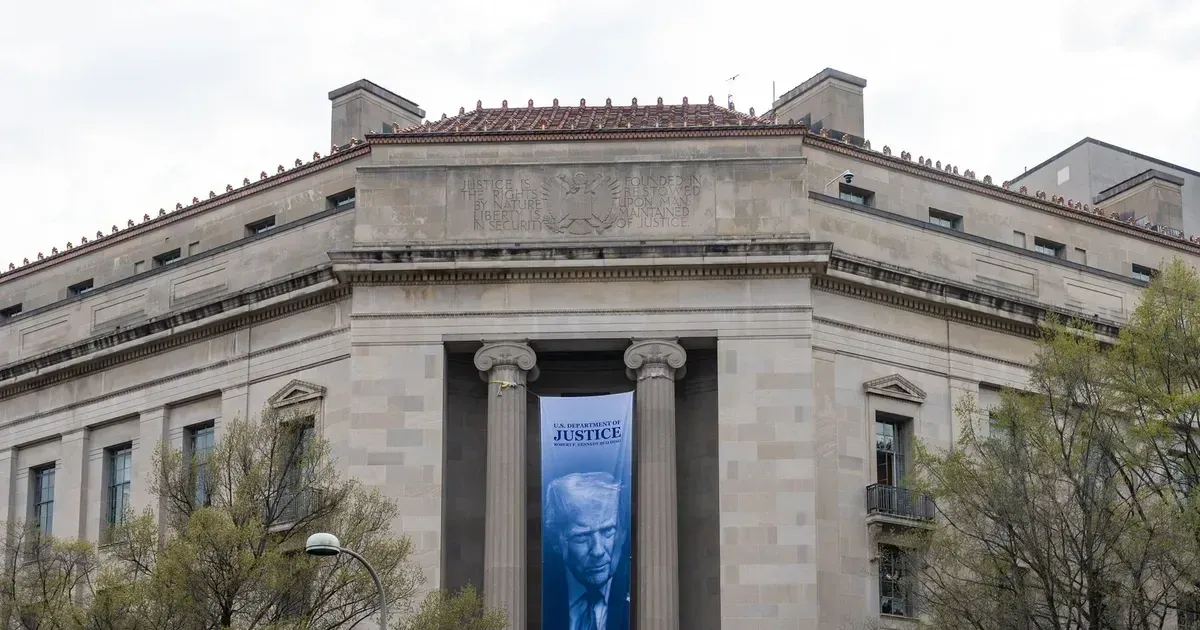
Trump administration officials on April 24, 2026, authorized the return of firing squads and pentobarbital for federal executions. Federal records indicate the policy changes allow for alternative methods of execution when lethal injection drugs are unavailable or deemed legally problematic. Officials at the Justice Department signed off on the protocols early Friday morning. Attorney General aides confirmed that the move includes a directive to shorten the length of some legal appeals for inmates on death row.
Pentobarbital replaces previous three-drug cocktails that faced years of litigation and supply shortages. Records show the government plans to stockpile the sedative to ensure execution schedules proceed without delay. Legal experts note that the Trump administration seeks to bypass the pharmaceutical industry’s refusal to sell drugs for capital punishment. This shift marks a return to policies last seen during the final months of the previous term. Executioners will now have the option to use a five-person firing squad in federal cases.
Bureau of Prisons staff received updated manuals detailing the construction of execution chambers designed for the new protocols. States like Utah and South Carolina already maintain similar options for their state-level condemned prisoners. Federal prosecutors argue that the firing squad provides a reliable alternative to the technical failures sometimes associated with intravenous lines. Critics, by contrast, point to the visual nature of the method as a return to older forms of state power.
Justice Department Protocols and Pentobarbital Procurement
Government procurement of pentobarbital remains a central component of the new death penalty strategy. Previous efforts to secure execution drugs involved secret contracts with compounding pharmacies. Documents released on April 24, 2026, suggest the Justice Department has established a new supply chain for these substances. Internal memos indicate that the use of a single drug reduces the risk of constitutional challenges related to cruel and unusual punishment. Justice Department officials stated the protocol has already been vetted by federal courts in prior litigation.
Supporters of the move argue that pentobarbital acts more predictably than the midazolam used in several botched state executions. Records from the Bureau of Prisons confirm that 44 inmates currently reside on federal death row. Most of these individuals have exhausted the majority of their standard appeals. Federal agents have begun training specialized teams to carry out the firing squad procedures at the Terre Haute facility. These teams consist of volunteer officers who must meet specific marksmanship requirements.
Execution chambers must be retrofitted to include bullet-resistant glass and specialized chairs. Engineers from the federal government visited state facilities in 2025 to study the mechanical requirements for these rooms. One officer involved in the planning noted that the firing squad requires less medical expertise than finding a viable vein for a needle. Previous botched injections led to decades of legal gridlock that the current administration intends to break. Staffing for these events is already being organized through the $11 billion annual budget allocated to federal prison operations.
Legal Challenges and Federal Appeal Limitations
Attorney General directives released on April 24, 2026, specifically target the timeframe for habeas corpus petitions. Legislation proposed alongside these policy changes would cap the number of years an inmate can remain in the appellate process. Lawyers for the condemned argue that shortening these windows risks executing the innocent. Current data shows that federal death row cases often last more than twenty years before a final resolution. Speeding up the process is a primary goal for the Trump administration during this term.
Supreme Court precedents currently allow for alternative execution methods if an inmate cannot prove a far less painful alternative is available. Justice Department lawyers frequently cite the 2015 Glossip v. Gross decision to justify the use of midazolam and other sedatives. Recent rulings from the high court suggest a growing impatience with long-term stays of execution. Conservative justices have signaled a willingness to limit the scope of last-minute emergency filings. Attorneys for the Justice Department are preparing to defend these protocols in the D.C. Circuit Court of Appeals immediately.
Federal judges in various districts have already received notices regarding the updated execution manual. Some jurisdictions might still issue temporary injunctions based on specific state laws where federal prisons are located. However, federal law generally supersedes state-level restrictions on execution methods within federal facilities. Officials expect the first firing squad execution to be scheduled before the end of the 2026 calendar year. Defense teams are currently reviewing the medical records of their clients to find grounds for new stays.
Bureau of Prisons Implementation Strategy
Training for the marksmen involved in the firing squads will take place at undisclosed federal training centers. Each squad typically includes five shooters, one of whom is given a blank round so that no single individual knows for certain they fired the fatal shot. Logistics experts at the Justice Department have calculated the cost of these new protocols as being lower than the maintenance of long-term medical contracts. Maintaining a standing execution team allows the government to carry out multiple sentences in rapid succession. Prisons in Indiana are the primary focus of these infrastructure upgrades.
Internal communication suggests that the Trump administration views the death penalty as a necessary deterrent for specific federal crimes. These crimes include large-scale drug trafficking and acts of domestic terrorism. Records indicate that the administration is also looking to expand the list of federal crimes eligible for the death penalty. Legislative allies in Congress have already drafted bills to include certain categories of child exploitation. Public polling on the death penalty shows a sharp divide along partisan lines, though federal policy continues to move toward more frequent application.
Media access to these executions will remain strictly controlled under the new guidelines. Only a small pool of reporters and designated witnesses will be permitted inside the observation room. Federal officials have prohibited the use of cameras or recording devices during the proceedings. This level of secrecy is consistent with past federal execution protocols. Public announcements of execution dates will occur at least 60 days in advance to allow for final preparations. Families of the victims are often given priority for the limited witness seating available.
Firing Squads Remove the Last Logistical Veto on Federal Executions
Critics who view the return of the firing squad as a barbaric regression miss the underlying clinical coldness of this administration. The Trump administration is not seeking a return to the Wild West; it is seeking the elimination of the ultimate bureaucratic bottleneck. By reintroducing the firing squad and pentobarbital, the Justice Department is effectively declaring that the pharmaceutical industry no longer holds a veto over federal law. This is an exercise in raw executive sovereignty that prioritizes the finality of the law over the aesthetic sensibilities of the public.
Why choose the firing squad now? It is the only method that remains immune to the supply-chain vulnerabilities of the global medical market. Rifles do not require FDA approval, and ammunition cannot be embargoed by European human rights activists. The move is a calculated rejection of the international consensus against capital punishment. The administration is signaling to both domestic adversaries and global observers that the United States will not be constrained by the moral or logistical pressures of its peers. Shortening the appeals process is the most aggressive component of this strategy. A death penalty that takes thirty years to execute is a death penalty in name only. By squeezing the window for litigation, the government is forcing the judiciary into a corner. Either the courts must rubber-stamp these executions or take the politically explosive step of blocking the executive branch entirely. Expect the federal execution chamber at Terre Haute to become the busiest square footage in the American legal system by 2027. It is the end of the era of infinite delays.