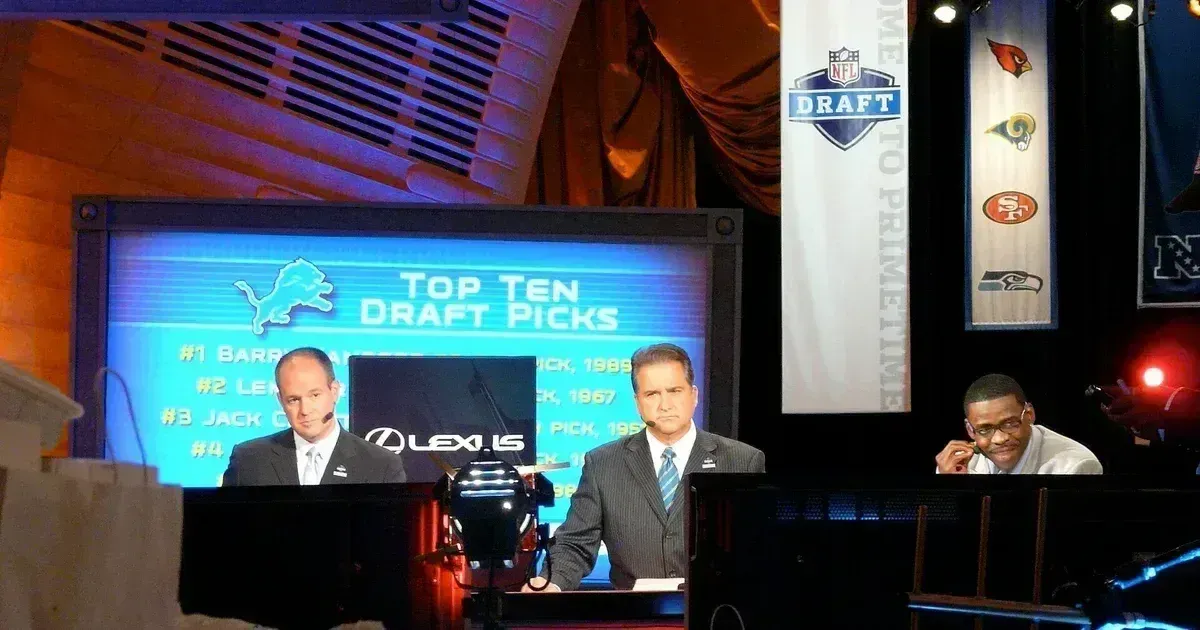
Philadelphia Eagles general manager Howie Roseman shifted the balance of the NFC East on April 24, 2026, by selecting a primary wide receiver in the first round of the NFL Draft. This aggressive maneuver in the draft room suggests a definitive pivot in roster construction for the franchise. Philadelphia Eagles executives previously maintained a commitment to their veteran core, yet the acquisition of a top-tier rookie receiver changes the depth chart immediately. Financial analysts point to the ballooning costs of veteran contracts as the primary driver for this transition.
Moving toward a younger, cheaper option at the position provides the team with substantial salary cap relief. Reporters from Newsweek indicated that the move effectively concludes the tenure of star wideout AJ Brown in Philadelphia.
Philadelphia Eagles Signal End of AJ Brown Era
AJ Brown had been the focal point of the Eagles' passing attack since his arrival, but his large contract now clashes with the team's long-term fiscal strategy. Recent league-wide trends show a preference for rookie-scale contracts at high-value positions like wide receiver. The Philadelphia Eagles front office appears to be following the blueprint established by teams that successfully reset their cap by trading expensive stars for draft capital. Internal sources suggest the trade market for AJ Brown is already heating up as teams with surplus cap space seek veteran leadership.
Philadelphia currently holds the leverage in these negotiations because they have already secured a viable replacement through the draft. The rookie wideout enters a system designed for high-volume targets. Scouts believe the new addition possesses the physical tools to replicate Brown's production at a fraction of the cost. Financial records show that the Philadelphia Eagles could save over $25 million in cap space by moving on from the veteran star. Competition for his services will likely involve AFC contenders looking for a final piece to their championship puzzle.
Cleveland Browns Build Around Shedeur Sanders
Cleveland Browns leadership doubled down on their offensive investment on April 24, 2026, by using two first-round selections to strengthen the unit. Front office executives initially focused on the offensive line by drafting Spencer Fano, a move intended to provide immediate protection for quarterback Shedeur Sanders. Success in the modern NFL requires a blend of elite protection and explosive playmaking ability. Cleveland then used their second first-round pick to add a dynamic wide receiver to the rotation. This strategy confirms the organization's total commitment to Sanders as the face of the franchise.
Building an offense around a young quarterback requires a specific sequence of acquisitions. Andrew Berry, the Browns' general manager, prioritized the trenches before looking for perimeter weapons. Spencer Fano arrives with a reputation for elite pass blocking in high-pressure situations. The addition of a rookie receiver ensures that Sanders has a contemporary to grow with over the next four seasons. Analysts from Bloomberg observe that Cleveland Browns spending on the offensive side of the ball has increased by 40% over the last two years. The roster now features one of the most expensive offensive infrastructures in the AFC North.
Fans in Cleveland have waited for this level of aggressive talent acquisition since the franchise's return to the league. The front office is betting that the combination of Fano and a new receiver will unlock Sanders' full potential.
Malik Nabers Challenges New York Giants Strategy
Malik Nabers did not hide his frustration on April 24, 2026, when the New York Giants used the fifth overall pick on defensive standout Arvell Reese. The star receiver expressed his confusion publicly, questioning why the organization prioritized defense over offensive reinforcements. New York's offense struggled with consistency throughout the previous season, leading many to expect a playmaker at the top of the draft. Arvell Reese brings elite pass-rushing traits to a defense that already features substantial talent. Defensive coordinators often argue that a dominant front seven is the most reliable way to win games in the NFC East.
Nabers, however, sees the situation from the perspective of a player who needs help to draw coverage away from himself. The decision to pass on offensive talent at the fifth spot creates a tension between the star receiver and the coaching staff.
"I don't know what we're doing," Malik Nabers said when asked about the team's decision to draft Arvell Reese instead of adding more help to the offense.
Giants general manager Joe Schoen defended the pick by citing the rare athletic profile of Reese. Evaluation of the roster suggested that the defense required a foundation player to anchor the edge. Reese recorded 12 sacks in his final collegiate season, a statistic that the Giants' front office could not ignore. The New York Giants have historically built their most successful teams around a dominant defensive line. Malik Nabers continues to be the primary target in an offense that lacks a true second option.
This lack of balance could lead to double-teams and bracket coverage for Nabers throughout the 2026 campaign. Coaches must now find creative ways to involve other players without the benefit of a top-tier rookie addition. The pressure on the existing offensive personnel has increased sharply. Fans remain divided on whether the Reese pick was a visionary defensive move or a failure to support a young quarterback. Arvell Reese will be expected to produce immediate results to justify the selection over offensive alternatives.
Training camp will serve as the first real test of how Nabers and the coaching staff resolve their differing philosophies on team building.
Financial Pressures Force Aggressive Draft Trades
Salary cap management has become the primary driver of draft-day drama as teams look for ways to shed expensive veteran contracts. The Philadelphia Eagles and Cleveland Browns represent two different approaches to this economic reality. Philadelphia is leaning into the cost-controlled nature of rookie contracts to maintain flexibility. Cleveland is using those same rookie contracts to surround an expensive quarterback with talent they otherwise could not afford. The collective bargaining agreement makes these first-round picks incredibly valuable for teams in a championship window. Wide receivers have seen their market value explode, with top-tier veterans now commanding over $30 million annually. The price point makes it nearly impossible for teams to keep two elite receivers on the same roster. Drafting a replacement is the only viable path for teams that want to avoid cap purgatory. The 2026 draft class offered a unique depth at the receiver position that allowed teams like the Eagles to move on from stars. Teams that failed to capitalize on this depth may find themselves overpaying for mediocre talent in free agency. NFL scouts noted that the gap between top college prospects and mid-level veterans has narrowed. The shift in talent distribution encourages general managers to take risks on younger players. The Cleveland Browns' decision to take Spencer Fano also highlights the premium placed on tackle prospects. Defensive ends have become faster and more technical, requiring a corresponding increase in athleticism on the offensive line. Every pick in the first round carries a specific financial implication that reaches years into the future. Organizations that master the art of the rookie-scale reset will dominate the next decade of professional football.
Draft Choices Expose Three Competing Roster Strategies
Are we entering an era where the NFL superstar is becoming a disposable asset? Maneuvers executed by the Philadelphia Eagles and the New York Giants on April 24, 2026, suggest that front offices no longer value loyalty over the cold, hard logic of the salary cap. Howie Roseman's willingness to effectively end the AJ Brown era before it even reached its natural conclusion is a ruthless masterstroke of asset management. It signals to every veteran in the league that their presence is merely a temporary line item on a spreadsheet. It is not about football; it is about the commodification of elite talent. The New York Giants are playing a dangerous game with Malik Nabers. By ignoring the pleas of their most explosive offensive weapon to draft Arvell Reese, they have essentially told Nabers that his individual success is secondary to a defensive philosophy that may be outdated. Reese is a phenomenal prospect, but his selection in a vacuum ignores the psychological health of the locker room. If Nabers feels isolated, his performance will suffer, and no amount of defensive pressure from Reese can compensate for a broken offense. The Giants are betting on a defensive identity while their offensive engine is running on fumes. It is a gamble that reeks of organizational arrogance. Cleveland's strategy is the only one that acknowledges the reality of the modern game. They have recognized that Shedeur Sanders is the sun around which their entire universe must orbit. By securing Spencer Fano and a new receiver, they have built a fortress. While Philadelphia sheds talent and New York ignores it, Cleveland is hoarding it. The Browns are the only team in this trio acting with a clear, singular purpose. Short-term pain is inevitable for the Eagles, while long-term dysfunction looms for the Giants. Cleveland wins this round. Roster ruthlessness prevails.