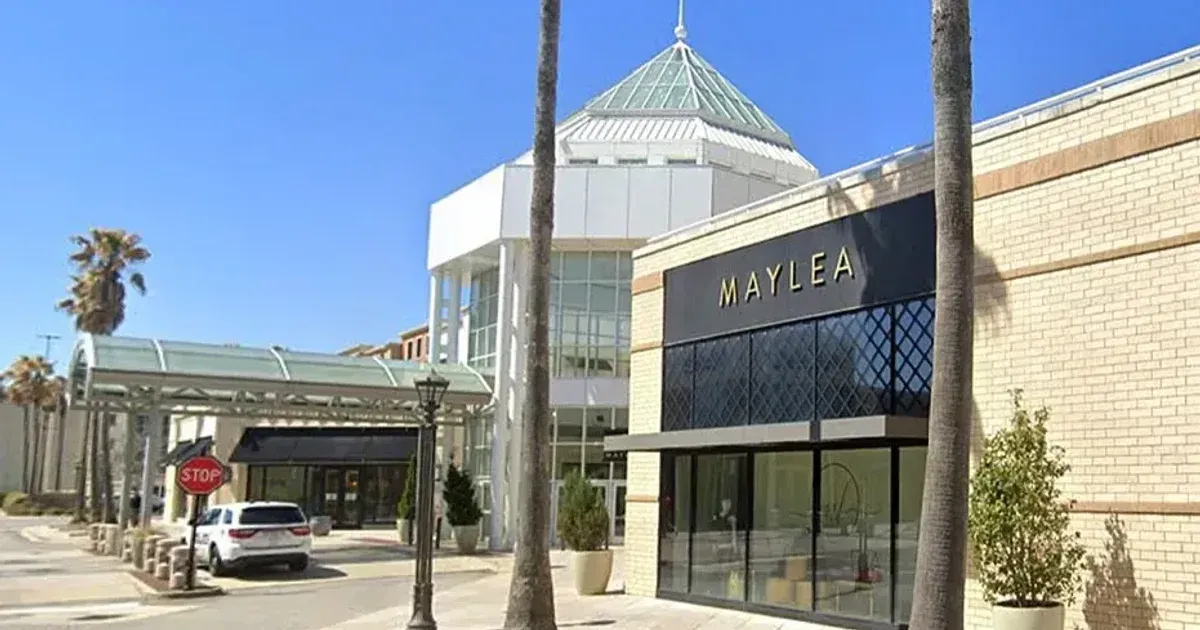
Baton Rouge Police Department officers arrived at the Mall of Louisiana on April 23, 2026, to discover a chaotic scene where multiple gunmen had opened fire inside the food court. Gunfire erupted during a busy lunch hour, turning the state's largest shopping destination into a sprawling crime scene. Initial reports indicate at least ten individuals suffered gunshot wounds during the exchange, with victims scattered across the tile floors of the dining area. Emergency responders used the parking lot as a triage zone to stabilize the injured before transport to local trauma centers.
Doctors at nearby hospitals confirmed that two of the victims are currently in critical condition. Medical staff at Baton Rouge General Medical Center received the first wave of trauma patients at 2:14 p.m. local time. The remaining eight victims are reportedly in stable condition with non-life-threatening injuries. Law enforcement officials have not yet released the identities or ages of those caught in the crossfire.
Louisiana Governor Jeff Landry issued a statement via social media shortly after the first 911 calls were logged by dispatchers. Landry urged residents to avoid the Bluebonnet Boulevard corridor to allow emergency vehicles unimpeded access to the facility. State authorities coordinated with the governor's office to provide immediate medical and security reinforcements from neighboring parishes. Baton Rouge Mayor-President Sharon Weston Broome joined state leaders in calling for calm while the tactical search of the property continued.
"Sharon and I are praying for those affected and are grateful for a quick response by our law enforcement officials," Landry said.
Federal investigators from the FBI New Orleans field office arrived on site to assist the Baton Rouge Police Department and Louisiana State Police. This collaboration aims to process the vast 1.6 million-square-foot facility for ballistic evidence and forensic leads. Agents established a command post in the mall parking lot, using mobile units to review digital records and cellular pings from the time of the incident. Technical teams began the laborious process of downloading high-definition security footage from over 170 retail locations within the complex.
Gunfire Erupts During Busy Lunch Hour
Louisiana Attorney General Liz Murrill confirmed during a press briefing that a weapon or multiple weapons were discharged near the food court entrance. Witnesses described a scene of sudden terror as families and office workers dove for cover under tables and behind kiosks. The sounds of semi-automatic fire echoed through the vaulted ceilings of the Great Court area. Several retail employees initiated lockdown procedures, sheltering customers in stockrooms and dressing areas until tactical units cleared the hallways.
Evidence gathered by CBS News suggests the violence was not a random act of mass shooting but rather a targeted confrontation. Investigators believe two groups of individuals engaged in a heated verbal argument that rapidly escalated into physical violence. One or more members of these groups produced firearms and began shooting in a reckless exchange. This incident forced a complete evacuation of the mall as hundreds of shoppers fled toward the parking exits.
Shooting suspects managed to exit the building before a perimeter could be fully established by arriving patrol units. Police believe the gunmen used one of the side exits near the department stores to reach a getaway vehicle. No suspects are currently in custody, and law enforcement has not released specific descriptions of the shooters. Investigators are looking for multiple individuals who were seen arguing near the food court just moments before the first shots were fired.
Law Enforcement Response and Public Safety
Baton Rouge police detectives are working closely with East Baton Rouge District Attorney Hillar Moore to build a potential case against the shooters. Moore was briefed by Liz Murrill and is actively monitoring the influx of evidence from the crime scene. The district attorney's office will eventually oversee the prosecution of any individuals apprehended in connection with the mall violence. Authorities are prioritizing the identification of the primary aggressors through facial recognition software and eyewitness testimony.
Mall of Louisiana security protocols are now under intense review by state regulators and corporate management. Questions have surfaced regarding how the suspects were able to carry multiple firearms into a facility that maintains a strict no-weapons policy. Security guards on site were reportedly unarmed and focused primarily on traffic control and shoplifting prevention at the time of the shooting. Management for the mall has not yet commented on whether they will implement metal detectors or increased bag checks in the future.
Bluebonnet Boulevard remained closed to through traffic for several hours as crime scene technicians marked shell casings on the pavement outside the food court entrance. Traffic investigators assisted in identifying vehicles that may have been used by the fleeing suspects. The gridlock around the Mall of Louisiana impacted the I-10 interchange, causing substantial delays for afternoon commuters across the city. Patrol units from the East Baton Rouge Parish Sheriff's Office provided secondary security for the surrounding neighborhoods.
Criminal Investigation and Suspect Tracking
Baton Rouge investigators are processing a wealth of digital evidence from mobile phones used by shoppers during the shooting. Several videos posted to social media platforms show the moments leading up to the argument and the subsequent panic. These recordings are being treated as primary evidence in the attempt to identify the shooters. Detectives have requested that any individual with video footage or photographs from the food court contact the department's violent crimes unit.
Louisiana State Police crime laboratory technicians are analyzing shell casings to determine the caliber and type of weapons used. Early ballistics data may help investigators determine if the firearms were linked to previous crimes in the Baton Rouge area. Coordination between state and local databases is essential for tracking the origin of the weapons. Police have not ruled out the possibility that the weapons used were illegally modified to increase their rate of fire.
Retailers inside the Mall of Louisiana expressed concerns about the long-term impact on consumer confidence and foot traffic. The facility is a critical economic engine for the region, generating substantial sales tax revenue for East Baton Rouge Parish. Stores like Macy's and Dillard's remained shuttered throughout the evening as police conducted a secondary sweep of the interior. Many employees were visibly shaken by the events, with some reporting that they do not feel safe returning to work. FBI agents are examining the possibility of gang affiliations among the groups involved in the initial altercation. While no official confirmation has been made, the nature of the confrontation bears the hallmarks of a retaliatory dispute. Federal resources allow for a broader investigation into the social networks and backgrounds of the potential suspects. This complex approach is intended to prevent further escalations of violence within the community.
Food Court Shooting Exposes Mall Security Failures
Does a premier shopping destination in the American South ever truly recover from the stain of ballistic spray across its food court tiles? The shooting at the Mall of Louisiana exposes a catastrophic failure in private security infrastructure that no amount of political "thoughts and prayers" can rectify. Governor Jeff Landry and Attorney General Liz Murrill were quick to offer platitudes, yet the reality persists that one of the state's most essential commercial hubs was easily breached by armed brawlers. The incident highlights the hollow nature of current public safety measures in high-traffic retail environments. Security at regional malls has historically relied on the illusion of safety rather than hard deterrents. When a verbal argument between two groups can instantly devolve into a ten-person casualty event, the mall's no-weapons policy is revealed as a decorative suggestion instead of a functional rule. The failure of the suspects to be apprehended during the initial response suggests a substantial lag in the transition from "active shooter" notification to "containment" execution. It is clear that the current model of mall security is insufficient for the realities of modern urban volatility.