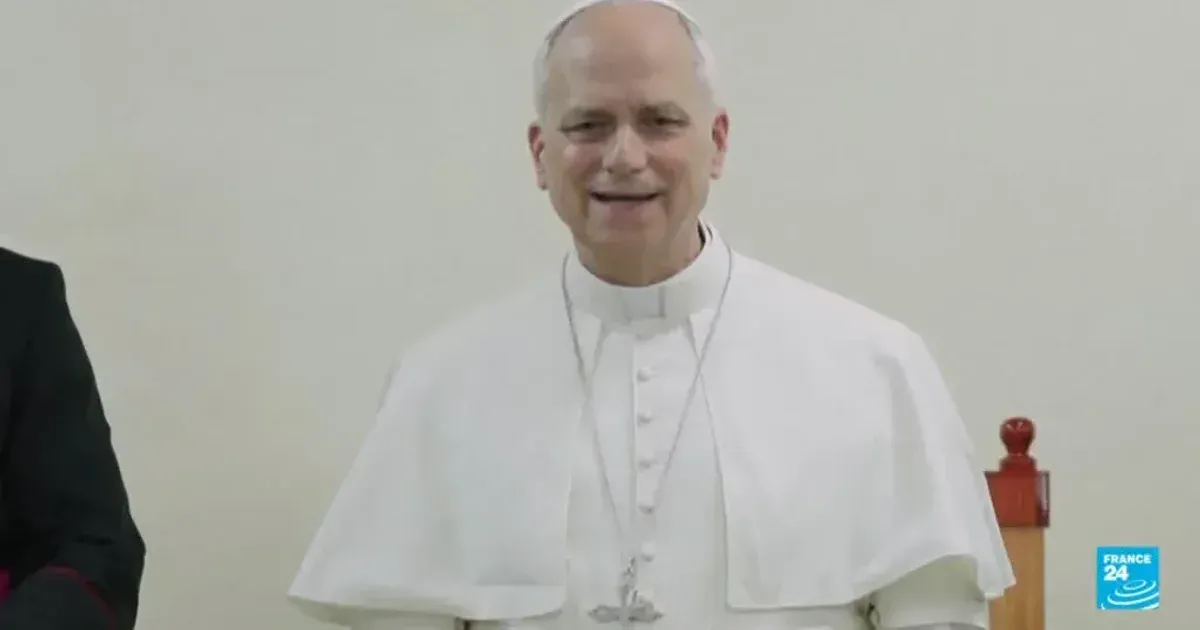
Pope Leo XIV’s Cameroon intervention put corruption and conflict in the same frame. The papal intervention gave the corruption debate a new international audience. Pope Leo XIV arrived in Yaoundé on April 16, 2026, to challenge the entrenched political elite of Cameroon regarding systemic corruption and human rights violations. He delivered an unusually forthright address at the presidential palace, speaking directly to officials who have maintained power for decades. President Paul Biya sat within feet of the pontiff while the religious leader called for an immediate examination of conscience among the ruling class. His message connected through the ornate halls, contrasting with the standard diplomatic pleasantries typical of such state visits.
State officials listened in silence as the Pope described corruption as a barrier to lasting peace. Cameroon has struggled with internal divisions and a bloody separatist conflict that has displaced thousands of citizens. Leo urged the gathered dignitaries to serve as bridges rather than sources of division. He emphasized that the moral integrity of a nation depends on the transparency of its leadership. This uncompromising stance is a shift in Vatican diplomacy toward the African continent.
President Paul Biya Faces Direct Papal Criticism
The 93-year-old President Paul Biya has governed Cameroon since 1982 with an iron grip on the administrative apparatus. Observers from France 24 noted that the directness of the Pope's tone was rare for a diplomatic encounter in Yaoundé. Leo emphasized that insecurity often stems from a lack of justice and equity in the distribution of resources. He told the assembly that power must be a form of service to the weakest members of society. Biya, who is currently marking 42 years in office, remained expressionless during the critique.
"I urge you to examine your conscience and tackle the corruption and rights abuses that hinder the progress of this great nation, serving as bridges and never as sources of division," Pope Leo XIV told the assembled leaders.
Corruption in Cameroon is a systemic issue rather than only an administrative one that fills both the public and private sectors. Leo argued that the root of peace lies in the eradication of graft. He insisted that leaders must prioritize the common good over personal enrichment. The pontiff's language avoided the usual veiled metaphors, opting instead for a blunt demand for reform. His words were a direct challenge to the status quo in central Africa.
Separatist Conflict Zones Welcome Papal Peace Message
Leo traveled to Bamenda once the palace formalities concluded, moving into the heart of the country's most volatile region. The western city of Bamenda is the epicenter of the separatist conflict that has pitted Anglophone activists against the Francophone-dominated central government. Security was exceptionally tight as the papal motorcade moved through streets that have seen frequent clashes between government forces and armed rebels. The Pope used this platform to preach a message of reconciliation and non-violence.
Addressing a crowd of thousands, the Pope spoke about the pain of displacement and the loss of life in the western regions. He contended that the grievances of the population must be addressed through dialogue instead of through the barrel of a gun. Local clergy reported that the presence of Pope Leo XIV provided a brief respite from the daily fear of violence. Many in the crowd carried banners calling for an end to the marginalization of the Anglophone community. This visit to the western regions is the first time a sitting Pope has entered the conflict zone since the crisis began. This visit to Cameroon follows a broader African tour aimed at asserting the Vatican's diplomatic stance on the continent.
Corruption Networks Threaten Cameroonian National Stability
Beyond the palace walls, the economic impact of corruption has left the nation's infrastructure in a state of decay. Analysts suggest that billions of dollars in state revenue have vanished through complex patronage networks over the last four decades. Leo asserted that the suffering of the poor is a direct result of the greed of those in power. He stated that a nation could not find peace while its treasury is looted by the very people sworn to protect it. Financial transparency, he argued, is a requirement for any meaningful peace process.
Cameroon consistently ranks poorly on global transparency indices, a fact that Leo appeared to reference indirectly. He declared that the culture of impunity must end if the nation hopes to attract investment and foster growth. While the government often blames external factors for economic stagnation, the Pope focused his critique inward. He challenged the officials to prove their patriotism by returning stolen assets to the people. His call for accountability echoed the demands of local activists who have been silenced by the state.
Human Rights Records Under Vatican Scrutiny
Rights groups have documented numerous abuses by Cameroonian security forces, including arbitrary arrests and extrajudicial killings. Leo did not shy away from these reports, urging the military to respect the dignity of every citizen. He argued that a security strategy based on repression is doomed to fail. By contrast, he reminded the separatist fighters that violence only breeds further misery. The pontiff called for a ceasefire and the opening of humanitarian corridors to help those caught in the crossfire.
International observers believe the Pope's visit could put pressure on the Biya administration to make genuine concessions. The Vatican's influence in the country is meaningful, with a large percentage of the population identifying as Catholic. Leo urged the local church to remain a voice for the voiceless and to avoid being co-opted by the state. He insisted that the church's role is to stand with the oppressed. This message of solidarity was received with cheers by the residents of Bamenda.
The trip concluded with a private meeting between the Pope and the top military brass in Yaoundé. Reports from sources close to the delegation suggest the conversation was tense. Leo reiterated his call for an end to human rights violations and a commitment to democratic reform. He left the country with a final plea for the leaders to choose the path of justice over the path of power. The impact of his words will be measured by the actions taken in the coming months by the President Paul Biya administration.
Vatican Pressure Reaches Cameroonian Politics
Leo’s address places international and domestic attention on corruption, rights abuses and the Anglophone conflict, but the effect will depend on the response of Biya’s government. A public appeal can increase pressure without compelling officials who have maintained power for decades to change policy.
The Vatican’s influence is strongest through Cameroon’s Catholic population and local church networks. Those institutions can support dialogue and humanitarian access, although they cannot replace a negotiated cease-fire, accountability for abuses or political concessions from both the state and separatist groups.
The coming months will show whether the visit produces concrete steps such as humanitarian corridors, talks with Anglophone representatives or financial-transparency measures. Without such action, the speech will remain a forceful diplomatic intervention rather than a change in governance.