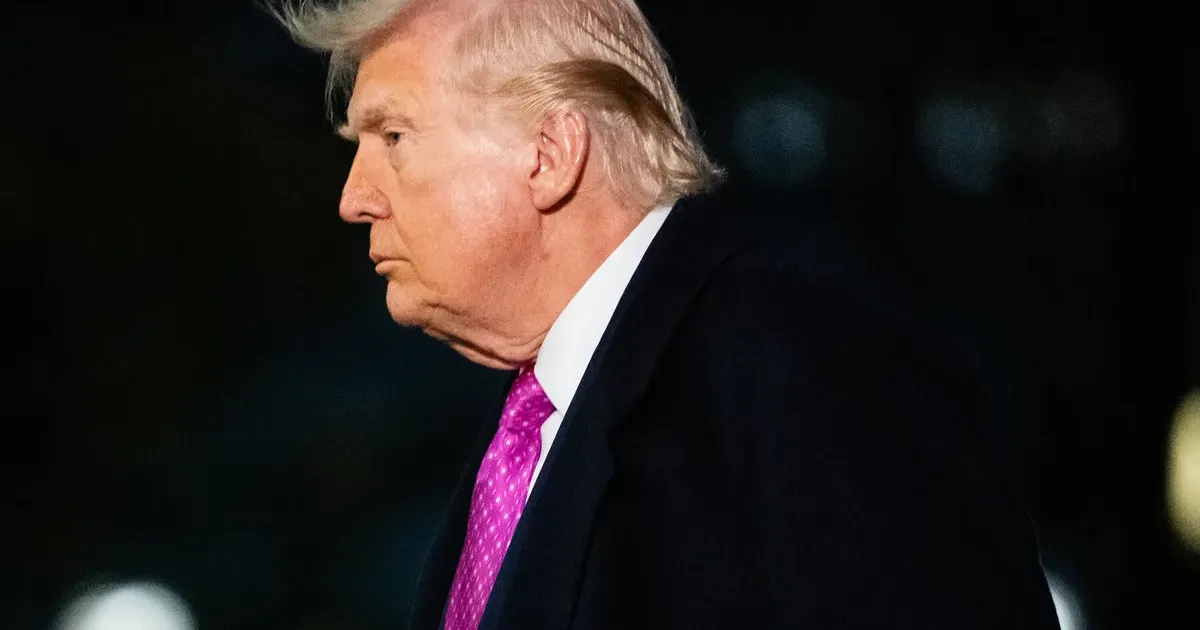
Donald Trump issued an aggressive warning toward Tehran sparking a national dialogue about the fiscal and ethical boundaries of American interventionism. Hostile language from the White House coincides with a mounting legal crisis regarding the universal right to public schooling. Department of Education officials are currently navigating a surge in litigation from states attempting to limit classroom access for non-citizen residents. By March 31, 2026, Trump’s Iran threats had entered a domestic fight over school funding and student rights. Critics argue that prioritizing military spending over the intellectual development of the youth undermines the long-term stability of the United States. Every child deserves an education regardless of their status, according to a consortium of civil rights groups responding to the recent executive rhetoric.
Tensions escalated after the administration suggested that maritime activities in the Persian Gulf could trigger a direct kinetic response. Such statements have redirected public attention from domestic legislative priorities to the prospect of a costly foreign engagement. Military analysts estimate that a sustained campaign in the region could exceed $740 billion in the first fiscal year alone. Public school advocates point out that this sum exceeds the entire federal contribution to K-12 education over the last decade. National security objectives often conflict with the immediate needs of local school districts struggling with aging infrastructure and teacher shortages.
Diplomatic Escalation and the Education Budget
Tehran responded to the American threats by increasing its naval presence near the Strait of Hormuz. Observers note that the rhetoric from Donald Trump has become increasingly focused on regional deterrence. While the Pentagon prepares for potential contingencies, domestic policy experts warn of the resulting budgetary vacuum. Education funding remains a volatile topic in Congress as lawmakers weigh the benefits of defense readiness against social investment. Recent polling indicates that a majority of parents favor domestic infrastructure spending over foreign military deployments.
Federal grants for low-income schools face potential reallocations to cover the rising costs of fuel and logistics for the overseas fleet. Schools in rural and urban areas alike rely on these funds to maintain basic services. Arguments for fiscal restraint appear to lose traction when national security enters the conversation. Historically, the United States has seen educational reform take a backseat during periods of prolonged international conflict. Tehran continues to monitor these internal American debates as a gauge of political resolve.
Legal Standing of Non-Citizen Students in 2026
Supreme Court precedents currently protect the rights of all children to attend public schools. The landmark 1982 decision in Plyler v. Doe established that denying education based on immigration status violates the Equal Protection Clause. Legal scholars suggest that the administration may seek to challenge these protections under the guise of national security. Some state legislatures have already drafted bills that would require school districts to report the legal status of their students. This legal precedent is the primary barrier to state-led attempts to restrict school access.
"The state cannot deny a basic education to children based on their immigration status without violating the Equal Protection Clause," noted the American Civil Liberties Union in a 2026 brief.
Recent filings in the Department of Education show a marked increase in civil rights complaints related to student discrimination. Classroom environments become points of contention when federal rhetoric targets specific nationalities or groups. Educators report that heightened political tensions lead to increased anxiety among student populations. While some districts maintain a sanctuary policy, others face immense pressure from local boards to comply with federal enforcement initiatives.
National Security Versus Social Infrastructure
National defense priorities frequently overshadow the systemic needs of the American classroom. Intelligence reports suggest that the threat level in the Middle East has reached its highest point in three years. Despite these concerns, the social cost of neglecting the educational system persists in every state. Teachers in many jurisdictions are forced to use outdated materials while billions are funneled into advanced missile systems. Donald Trump maintains that a strong military is the only way to ensure the safety of all American institutions including schools. The Department of Education has not released a formal statement on how a potential conflict would alter its five-year strategic plan.
International observers view the American internal struggle as a sign of deep polarization. Many European allies have expressed concern that an overextended US military will lead to a collapse of domestic social programs. Human rights organizations argue that the right to learn is a global necessity that should not be sacrificed for tactical advantages. Tehran officials often use these domestic American divisions in their own propaganda efforts. Economic models show that for every dollar spent on military operations, the long-term return on investment is far lower than a dollar spent on early childhood development.
School administrators are left translating that national argument into decisions about staffing, counseling and services for families.
For President Trump, the education fight offers a domestic stage for the same security message he is using abroad.
The schools debate becomes more volatile when national security language enters it. Funding choices that normally turn on classrooms, transport and services can be reframed around immigration and war risk.
That shift makes local planning harder. Districts need predictable budgets, while federal officials are using education policy as part of a broader argument about borders, citizenship and foreign threats.