Keir Starmer's government has barred Ye from entering the United Kingdom, turning a festival booking into an immigration and public-order dispute. The decision was tied to the artist's record of antisemitic and pro-Nazi statements, according to the Home Office. The exclusion order was issued on April 7, 2026, and Wireless Festival organizers moved toward cancellation after losing their headliner. For promoters, the episode shows that reputational vetting is now a core part of event risk management.
Wireless Festival Organizers Announce Total Event Cancellation
Festival Republic, the powerhouse promotion firm behind the event, officially pulled the plug on the 2026 iteration of Wireless on Tuesday afternoon. Management stated that the withdrawal of Ye's entry permit left a vacuum in the lineup that could not be filled. Thousands of international travelers had already booked flights and hotels for the London-based festival, which usually draws more than 100,000 attendees to Finsbury Park.
Financial losses for the promoter are expected to exceed $45 million when including lost concession revenue and liquidated sponsorship deals. While some smaller artists on the bill attempted to organize satellite shows, the sheer scale of the main stage infrastructure made a pivot unfeasible. Ticket holders have been instructed to contact their point of purchase for full reimbursements.
“His permission to enter and perform in the UK was withdrawn on Tuesday, the three-day event was canceled and refunds will be issued to all ticket holders,” Festival Republic said.
Home Office Invokes Public Good Clause for Border Exclusion
Border Force agents received specific instructions to flag the American rapper should he attempt to board any flight destined for Heathrow or Gatwick. British law grants the Home Secretary broad powers to exclude non-citizens whose presence is not conducive to the public good. Past applications of this rule have targeted political agitators, hate preachers, and celebrities with serious criminal records or histories of inciting racial tension.
Antisemitism remains a high-priority concern for the Starmer administration. During his tenure as leader of the Labour Party, Starmer has consistently moved to distance his platform from any perception of tolerance for anti-Jewish rhetoric. This specific exclusion is a concrete manifestation of that policy in a foreign-policy context. Legal analysts at the University of Oxford noted that the Home Office files on the rapper likely include his 2022 interviews and social media posts praising Adolf Hitler.
Local vendors in North London expressed immediate frustration over the sudden loss of seasonal income. Pubs and restaurants near the park rely heavily on the influx of festival-goers to sustain their summer margins. Current estimates suggest that the cancellation will remove millions of pounds from the local economy over the July 2026 weekend. Airlines have been notified of the exclusion status to prevent the rapper from even reaching the UK border. Carriers that transport individuals without valid entry permission can face substantial fines under British immigration law. No formal appeal from the rapper's legal team has been filed in London courts yet.
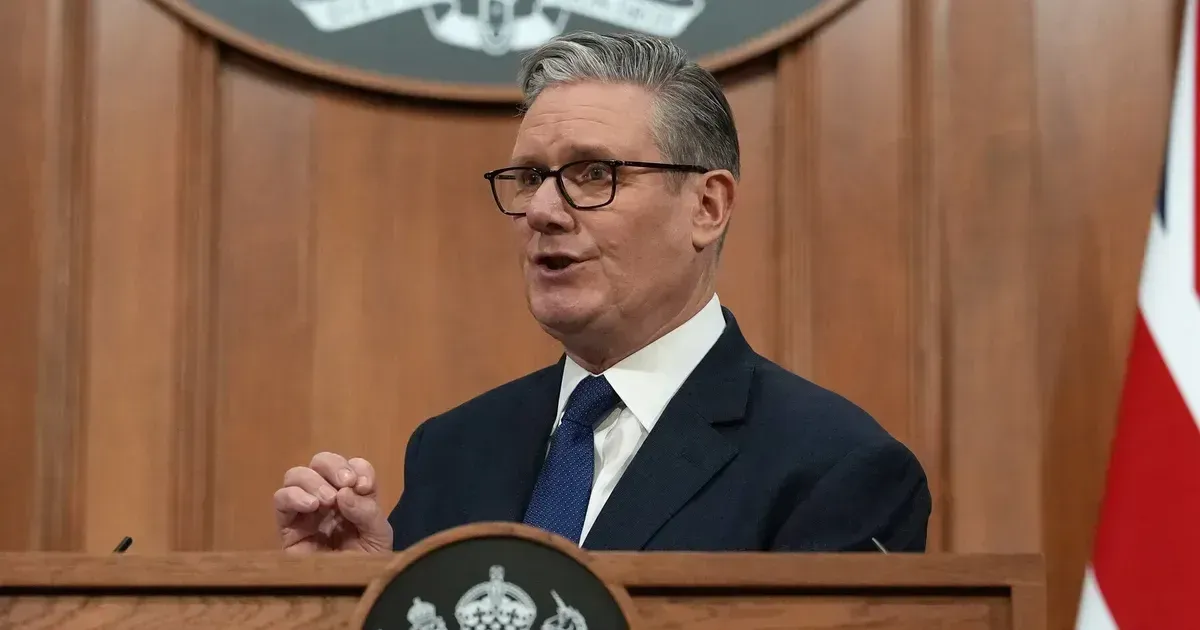
Speaking from Downing Street, Starmer voiced his disapproval of the initial decision to book the controversial star. He told reporters that the artist should never have been invited in the first place given his public record of hate speech. The prime minister characterized the booking as a failure of due diligence by festival promoters who prioritized ticket sales over communal harmony.
Cabinet members supported the move, arguing that the presence of the rapper would likely trigger mass protests and civil unrest. The Metropolitan Police had already begun preparing for large demonstrations outside the festival gates before the ban was formalized. Intelligence reports suggested that various advocacy groups were planning to block access roads and disrupt the performances if the rapper took the stage.
Pressure on the festival industry to vet performers for social and political liabilities has never been higher. Critics of the government's move argue that banning artists sets a dangerous precedent for artistic expression. Government officials countered that the ban is not about the music but about the person's specific promotion of Nazi ideology.
Insurance claims are now the primary focus for the legal team at Festival Republic. Most event insurance policies include clauses for government intervention or force majeure, but the specific wording regarding a performer's personal conduct can be a point of contention. If the insurance companies deny the claim, the promoter faces an enormous debt burden that could affect future festivals in the UK.
The Ban Turns Booking Into Risk Management
The government can argue that the decision is about public safety rather than artistic taste. Promoters still have to absorb the financial and operational consequences of booking a performer whose public record carried obvious regulatory risk. That is the lesson for the live-music business. A headliner is not only a ticket seller; in the current environment, a headliner can become a border, insurance and public-order problem.