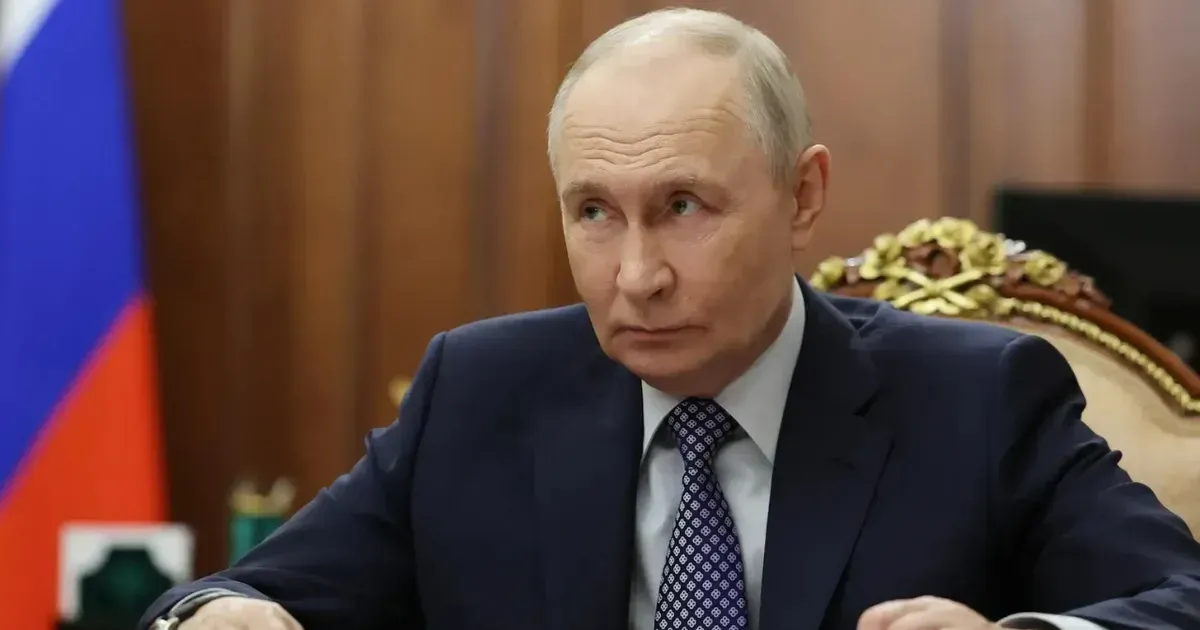
Vladimir Putin ordered a brief Orthodox Easter ceasefire in Ukraine, directing Russian forces to pause offensive operations for 32 hours. Kyiv and Western officials treated the announcement cautiously because earlier pauses have not produced durable restraint. The decree created a short diplomatic opening on April 9, 2026, while leaving the wider war unchanged. The timing gives Moscow a religious and political frame. A holiday pause can be presented as humanitarian, but it can also serve military needs by allowing units to regroup, resupply or reposition before fighting resumes.
Easter Truce and Battlefield Doubt
Ukraine has reason to be skeptical. A ceasefire is only meaningful if commanders on the ground follow it and violations are documented. Without monitoring, each side can accuse the other of breaking the pause.
The short duration also limits the humanitarian effect. Thirty-two hours may allow some evacuations or religious observance, but it does not create a stable corridor for large-scale relief. The war's underlying logic remains intact.
Kyiv Weighs the Decree
Kyiv must decide how to respond without giving Moscow propaganda advantages. Rejecting the pause could be framed as hostility to peace; accepting it without safeguards could expose Ukrainian positions or civilians.
Western governments will likely judge the decree by battlefield behavior. If Russian attacks continue, the announcement will be treated as theater. If the guns quiet, even briefly, diplomats may use the moment to press for broader restraint.
Independent reporting from the front line will therefore matter more than the decree text, because compliance is measured by fire patterns, local pauses, evacuation access and verified corridors, not by holiday language.
Short Pause, Long War
The ceasefire does not answer the central questions of territory, security guarantees or accountability. It only pauses a portion of the violence for a defined period. That makes it symbolically useful but strategically limited.
The best outcome would be a genuine reduction in harm during the holiday. The more likely outcome is a temporary lull followed by renewed fighting. Either way, the decree shows that Moscow still sees ceasefire language as a tool of war politics.
The announcement also puts pressure on information channels. Both sides will issue battlefield claims during the pause, and independent verification may lag behind events. In a war where propaganda is constant, even a short ceasefire can become a contest over images, casualty reports and accusations of bad faith.
Humanitarian groups will look for any practical opening, however limited. A pause can allow families to move, religious communities to gather or local officials to repair small pieces of infrastructure. Those gains are modest, but they matter to civilians living near the front.
The strategic problem is that a holiday truce does not create a mechanism for enforcement. Without monitors, agreed lines and consequences for violations, the pause depends on military discipline and political calculation. That makes it fragile from the start.
Putin's order should therefore be judged by what happens on the ground, not by the wording of the decree. If fire stops in meaningful areas, civilians may gain a brief reprieve. If attacks continue, the ceasefire will be remembered mainly as another rhetorical move in a war shaped by force. The ceasefire language also gives each side a diplomatic script. Moscow can claim it offered restraint during a religious holiday. Kyiv can demand proof that Russian forces actually stopped firing. Western governments can use the moment to test whether any limited pause can be monitored or expanded. Yet the short duration makes lasting progress unlikely without a separate political channel. Civilians may still benefit from even a brief reduction in violence, but the war's central disputes remain unchanged. The order therefore sits between symbolism and battlefield utility. Its value will be measured less by the announcement than by whether people near the front experience a real pause in danger. The Easter pause will be judged by artillery reports, civilian movement and independent monitoring, not by the decree's wording. If people near the front experience real quiet, the order has humanitarian value. If violations dominate, it becomes another example of ceasefire language used for leverage. For Ukraine, the safest response is to measure the decree through verified conduct. If Russian fire stops, civilians gain a brief and real benefit. If it does not, Kyiv can point to battlefield evidence rather than rhetoric. That distinction matters because ceasefire language often becomes part of the information war itself. The diplomatic value of the pause depends on whether it creates even a minimal record of restraint. If it does, future negotiators may cite it as proof that limited arrangements are possible. If it fails, it will deepen Ukrainian and Western skepticism toward any short-term Russian ceasefire offer. That is why Ukrainian officials are likely to keep their response conditional. They can welcome any genuine reduction in harm while refusing to treat an unmonitored pause as a step toward settlement. The battlefield record will settle that question. Any broader diplomacy would need a stronger mechanism than this.