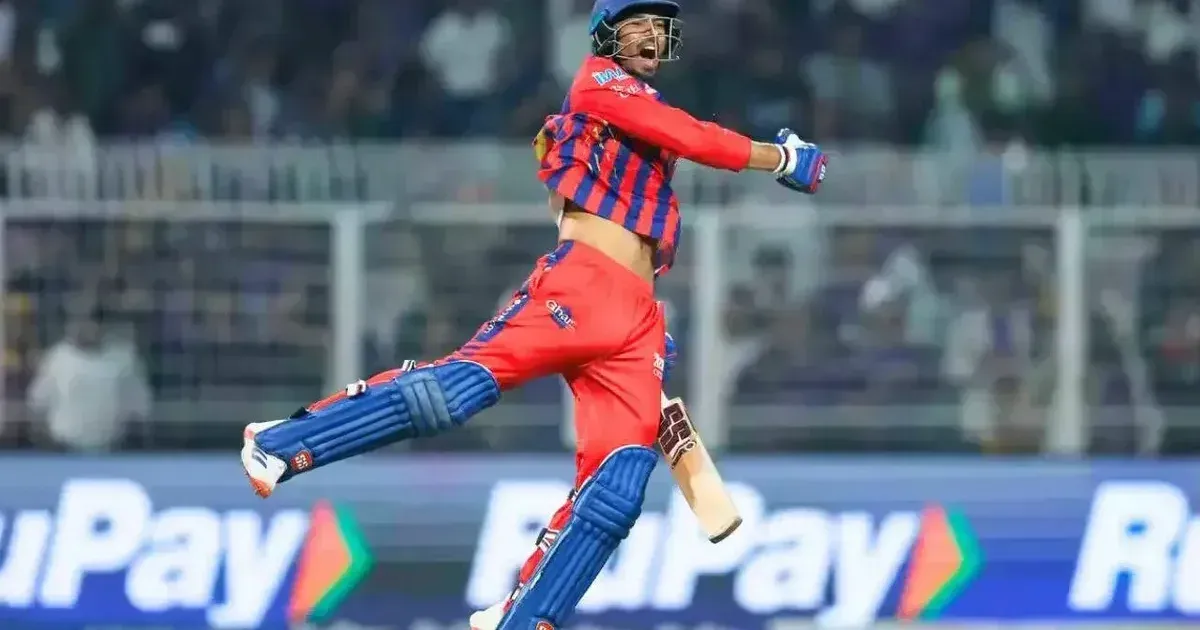
Mukul Choudhary powered Lucknow Super Giants to a five-wicket win after dismantling the Kolkata Knight Riders attack in a tense IPL chase. His late acceleration changed a match that had been balanced through the middle overs. The result on April 9, 2026, added pressure on Kolkata while giving Lucknow a sharper early-season identity. The innings mattered because it arrived at a point when the chase could have tightened. Kolkata had enough runs to ask questions, but Choudhary shifted the tempo before the required rate became overwhelming. That timing made the performance more valuable than the score alone.
Lucknow's Chase Turns
Lucknow's middle order benefited from a clearer plan. Rather than attacking every over, the chase was built around preserving wickets until the matchup improved. Once Choudhary found his range, Kolkata's bowlers had fewer defensive options. The win also showed why finishing roles are so important in the IPL. A team can play well for 30 overs across both innings and still lose if one batter controls the final passage. Choudhary gave Lucknow that control.
Team analysts will also revisit matchups from the middle overs, where one bowling change or field adjustment might have delayed Choudhary long enough to alter the chase.
Kolkata Pressure After Defeat
Kolkata will focus on bowling execution and field placement. Missed lengths late in the chase can undo earlier discipline, especially when batters know exactly which boundary to target. The defeat will raise questions about whether Kolkata adjusted quickly enough.
The result does not define either season, but it changes the short-term mood. Lucknow can frame the win as evidence of depth, while Kolkata has to prevent another close loss from becoming a pattern.
Selection debates may follow. Teams often respond to narrow defeats by changing a bowler or reordering a batter, but the larger issue may be decision-making under pressure. That is harder to solve with a simple swap.
For Lucknow, the takeaway is cleaner. They found a finisher, managed the chase and created belief. In a tournament built on momentum, that combination matters.
Lucknow will also value the composure around Choudhary. Successful chases are rarely built only on boundaries; they require batters at the other end to protect strike, run hard and avoid the careless wicket that changes the pressure equation. That support allowed the final assault to feel planned rather than desperate.
Kolkata, meanwhile, has to separate tactical mistakes from execution errors. If the plan was sound but the final overs missed length, the coaching response will be technical. If the matchups were wrong, the captaincy group may need to rethink how it uses spin, pace and boundary protection at the death.
The result also affects table psychology. Early-season wins can create selection stability, while early close losses can make teams chase changes too quickly. Lucknow earned the right to keep backing its roles. Kolkata has to decide whether patience or adjustment gives it the better chance in the next match.
Choudhary's performance will now become part of opposition planning. Teams will test whether he can repeat the same calm when fields are set for him and bowlers deny his preferred scoring zones. That is the next step from a memorable innings to a sustained IPL role. For Lucknow, the next challenge is repeating the pattern when opponents have fresher information. Teams will study where Choudhary scored, which lengths he attacked and whether he depended on a particular matchup. A finisher becomes more valuable when he can adjust after rivals change plans. Kolkata's review will be just as practical. Coaches will ask whether the death overs were lost through execution, field choice or a failure to use the right bowler at the right time. Those answers matter because IPL seasons can turn quickly on close finishes. One chase can lift a dressing room, but only if the role clarity behind it survives the next pressure situation. Lucknow's staff will want to know whether Choudhary's burst came from a repeatable role or a one-night matchup advantage. Kolkata will ask the same question from the other side. That review matters because close IPL finishes quickly become templates for the next opponent. Lucknow will want to protect that clarity as the tournament tightens. A chase won by one player can still reveal a broader structure if the supporting roles, strike rotation and bowling plans are coherent. Kolkata's task is to identify whether it lost to one exceptional innings or to a repeatable weakness under late-over pressure. The scoreboard effect should not be underestimated either. A five-wicket chase gives Lucknow confidence that its middle order can handle pressure, while Kolkata must prevent a single defeat from shaping selection anxiety. In the IPL, that emotional management often matters as much as tactical review. The next match will show whether Lucknow has found a reliable role or simply enjoyed one decisive night. Either way, Choudhary has forced opponents to plan for him, and that pressure will follow both teams into the next fixture.