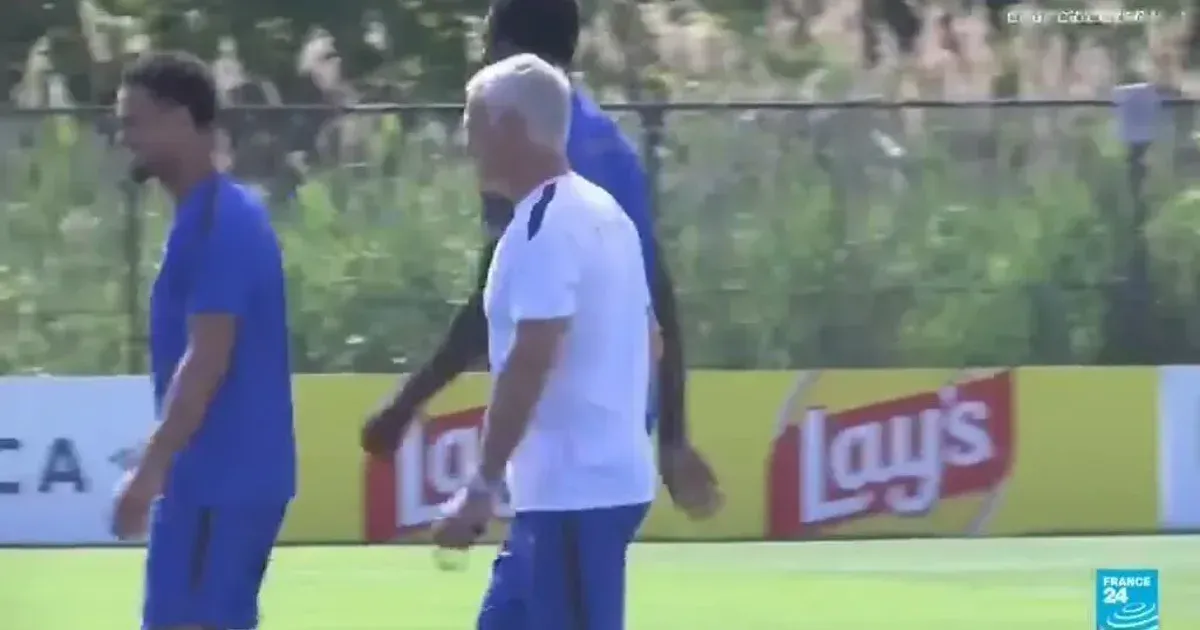
France enters the 2026 World Cup spotlight against a familiar West African opponent as the tournament progresses into its first full week of competition. Les Bleus aim to secure an early lead in the group stage while managing the immense expectations of a global audience. The fixture takes place on June 16, 2026, at the MetLife Stadium complex in New York, drawing thousands of traveling supporters from both nations.
MetLife Stadium is the primary venue for this high-stakes encounter, providing a neutral but electric environment for the Group A clash. France's coaching staff have spent the previous 48 hours conducting closed-door training sessions to finalize their tactical approach. Senegal arrives in North America as one of the most disciplined squads from the African continent, having undergone a rigorous qualification cycle to reach this stage.
History looms large over this specific matchup due to events that unfolded more than two decades ago. The 2002 World Cup opener in Seoul saw Senegal secure a 1-0 victory over the defending French champions, a result that remains one of the most serious upsets in the history of the sport. Papa Bouba Diop scored the decisive goal in the 30th minute of that match, eventually leading to a premature exit for a French side that featured some of the most decorated players of that era.
France gets its 2026 World Cup campaign underway Tuesday when it takes on Senegal in New York.
Pressure on the French squad is particularly high given their status as perennial favorites. Avoiding a repeat of the 2002 disaster is a central theme in the French media, where analysts are dissecting every potential weakness in the defensive line. Senegal looks to disrupt the established order once again.
Tournament officials noted that security protocols around the New York venue have been elevated to accommodate the influx of international fans. Local transit authorities in New Jersey and New York City coordinated special rail services to manage the 80,000 spectators expected at the stadium. This logistical effort mirrors the scale of the 2026 tournament, which features an expanded format and multiple host cities across the United States, Mexico, and Canada.
Senegal relies on a core group of players who compete in the top European leagues, bringing a level of tactical sophistication that matches their physical presence. Coaches have emphasized the importance of ball retention and quick transitions, hoping to catch the French wing-backs out of position. The Senegalese delegation arrived in New York three days prior to the match to acclimate to the local climate and time zone.
Tuesday marks a busy day for the competition beyond the events in New York. While France and Senegal battle in the Northeast, Lionel Messi and the Argentina national team face Algeria in Kansas City. The simultaneous scheduling of these high-profile matches highlights the density of the 2026 schedule, which falls on the sixth day of the global tournament.
Statistics from previous opening matches show that France tends to struggle with early tournament nerves when facing physical, well-organized defenses. Training reports suggest that the French midfield will focus on controlling the tempo to prevent Senegal from launching the kind of counter-attacks that defined their 2002 victory. Victory in this opening game is essential for momentum, as the second and third group matches often carry higher stakes for knockout round qualification.
Historical Ghosts of the 2002 Seoul Shock
Memories of the Seoul encounter stay relevant because it transformed how European giants perceive African football. In 2002, France carried the weight of being both the reigning World Cup and European champions. Their failure to score in three consecutive group games began with that loss to Senegal, creating a blueprint for how underdog teams can frustrate technical powerhouses.
Supporters gathered at the Fan Festival in Manhattan have expressed a mix of anxiety and optimism. French fans point to the current depth of their talent pool, which includes some of the most expensive forwards in the global market. By contrast, the Senegalese diaspora in the United States has turned the match into a cultural celebration, viewing the game as a chance to reassert their regional dominance.
Tactical adjustments are expected from both sides as the kickoff approaches. French officials have not released the final starting eleven, but insiders suggest a more conservative formation than initially projected. Senegal is likely to employ a five-man midfield to stifle French creativity in the center of the pitch.
Senegal Tests the Gap Between History and Current Form
Historical upsets can shape the expectations around modern athletes even when they were children when those games occurred. The psychological weight of the 2002 defeat is a narrative constructed more by the media and supporters than by the current generation of players. However, the institutional memory of the French Football Federation ensures that no opponent is taken lightly, especially one with the physical and technical profile of the Senegalese squad.
This match is a test for the parity of global football in the expanded 48-team era. As the tournament grows, the gap between traditional powers and emerging nations continues to shrink. If Senegal secures even a draw, it will validate the investment in African domestic academies and scouting networks that have matured since the turn of the century. France must demonstrate not just talent, but the mental fortitude to push past a historical narrative that has shadowed this fixture for twenty-four years.