Niche retail is no longer a back aisle of e-commerce. The retail signal is small-format demand, not only novelty. Retailers like Amazon flooded digital storefronts on March 30, 2026, with hyper-specialized inventory ranging from medical jewelry to modular garden infrastructure. Buyers increasingly gravitate toward low-cost utility items that solve specific lifestyle friction points. Analysts observe a move away from brand-name loyalty toward functional efficiency. High-volume, low-margin goods now dominate the recommendations algorithms of major e-commerce platforms. Modern consumers demand items that bridge the gap between aesthetic appeal and practical necessity. Items such as the Warner's Wireless Smoothing Bra demonstrate how textile engineering caters to comfort without the premium price tag of luxury lingerie brands. Customers seek relief from physical discomfort through specialized side panels and stretchy fabrics. Market data suggests these basic essentials form the foundation of recurring revenue for digital marketplaces. This trend toward functional fashion allows niche products to thrive in a crowded marketplace. Jewelry is undergoing a transformation where form meets function in unexpected ways. The PILL THING Heart Pill Locket integrates medical storage into a decorative accessory. Designs like these allow individuals to carry medication discreetly while maintaining a specific visual style. Medical utility is becoming a subset of fashion rather than a separate category of goods. Amazon Fashion Strategy Prioritizes Weird Problem Solvers Hair accessories have evolved to provide professional results without the associated labor or cost. CJL HAIR offers braided headbands that mimic complex milkmaid styles, removing the need for salon visits or complex self-styling. Consumers value time-saving gadgets that provide an immediate visual upgrade. These items capitalize on the desire for high-effort looks with zero-effort application. Amazon maintains an enormous lead in this category by surfacing highly specific solutions to common beauty hurdles. Subtle garment enhancements also drive serious sales volume. Moly Story Decorative Bra Straps feature delicate rosettes that transform standard undergarments into visible style elements. These additions target the growing demands for romantic, whimsical aesthetics in everyday wear. Such small-scale investments allow users to refresh existing wardrobes without purchasing entire new outfits. Individualization through minor accessories is a primary driver of modern retail engagement.
"This wireless bra is all about comfort."
The quote from Warner's technical specifications highlights the industry focus on ergonomics over traditional vanity metrics. Smoothing panels and wireless construction prioritize the user's daily experience. Market competitors are racing to replicate this focus on physical ease. Apparel that fails to address comfort often faces high return rates in the digital age. Warner's persists in its dominance by targeting the specific problems of traditional underwire designs. The rise of Amazon Tech and Apparel underscores how algorithmic retail is reshaping modern consumer psychology.
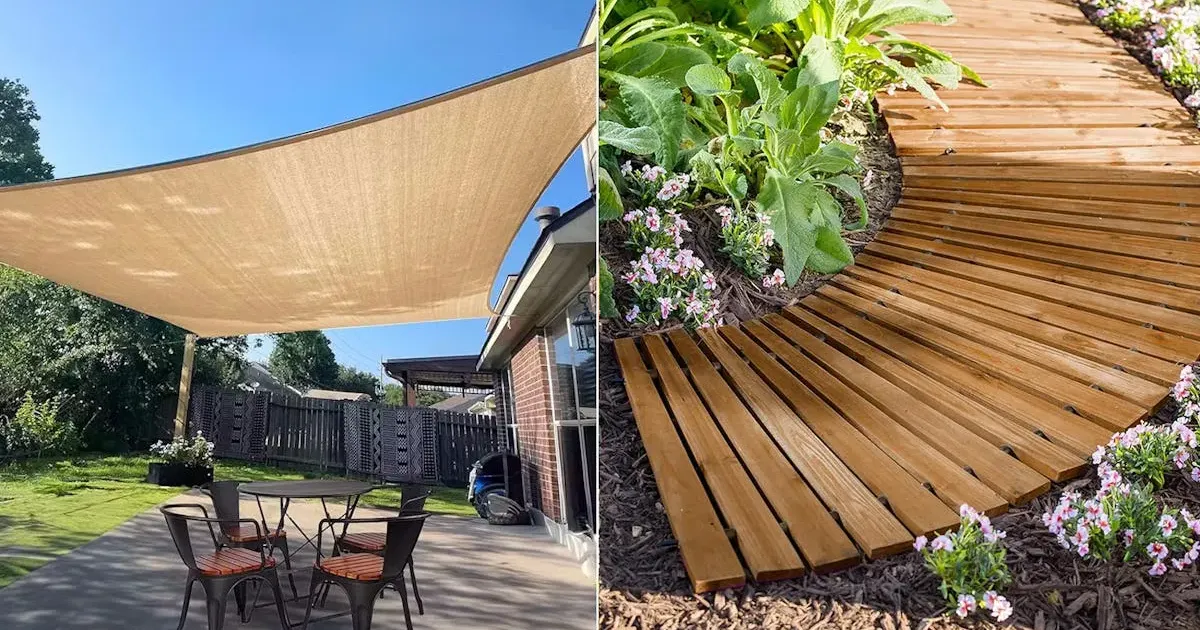
Backyard Infrastructure Gains Momentum Through Low-cost Upgrades Outdoor living spaces are receiving similar attention from budget-conscious homeowners. Plow & Hearth produces a roll-out wooden garden pathway that provides an immediate structural upgrade for muddy or uneven terrain. This modular approach to landscaping replaces expensive stone masonry with weather-resistant timber. The curved design allows for flexible installation across various garden layouts. Plow & Hearth ensures the product withstands damp conditions using metal spacers and wire connectors.
Flexibility drives the appeal of temporary backyard installations. Sunlax Sun Shade Sails provide UV protection without the permanence of a wooden gazebo or pergola. High-density polyethylene fabric allows breezes to pass through while blocking 95% of harmful rays. The market, however, reacted differently to permanent structures as installation costs soared. Sunlax solves this by including anti-rust D-rings and cords for rapid deployment. Efficient cooling solutions are now a priority for residential outdoor spaces.
Natural textures remain a staple for aesthetic refinement. Voulosimi provides polished river rocks that serve multiple functions from lining paths to filling decorative planters. These stones offer a variety of natural colors while maintaining a smooth, professional finish. Bulk packs of 12 pounds allow for meaningful coverage at a fraction of professional landscaping fees. Voulosimi maintains its market position by offering consistency in stone shape and texture. Polished surfaces prevent dirt accumulation better than raw gravel.
Consumer Psychology Behind Curated Budget Shopping Lists
Boundary management between plant beds and walkways has become a simplified task. EasyFlex offers a no-dig garden border that spans 15 feet when fully assembled. Spikes secure the sections into the soil, preventing shifting over time. This design eliminates the need for trenching or heavy equipment. EasyFlex targets the DIY homeowner who seeks professional-grade results with minimal physical exertion. Quick installation leads to higher customer satisfaction scores.
Every purchase in these curated lists reflects a desire for immediate gratification and perceived value. Economic shifts have pushed consumers toward small, impactful purchases instead of long-term luxury investments. Buying a $10 headband or a $15 garden border provides a sense of control over one's environment. Retailers exploit this psychology by bundling these items into algorithmically generated lists. The result is a consistent stream of micro-transactions that strengthen bottom lines. Psychology plays a role in how items like the PILL THING locket are marketed. Turning a medical necessity into a heart-shaped piece of jewelry removes the stigma often associated with illness. Personal expression remains a core human drive even in the most utilitarian categories. Amazon recognizes this by promoting "genius" finds that serve two purposes at once. Versatility is the new currency of the online shopping experience.
Supply-chain Logistics for Inexpensive Retail Goods
Shipping logistics for low-cost items like those from Sunlax require immense scale to remain profitable. Lightweight materials reduce fuel consumption and allow for dense packing in shipping containers. Plow & Hearth utilizes roll-up designs to minimize the physical footprint of their wooden pathways during transit. Every centimeter of saved space translates into higher margins for the manufacturer. Efficient packaging is the hidden engine of the budget retail boom.
Retail giants must also manage the environmental impact of shipping millions of small parcels. Using recycled materials for garden borders and eco-friendly dyes for Warner's apparel is becoming a standard practice. Consumers are increasingly wary of the waste generated by frequent online orders. The reality forces brands to innovate in sustainable packaging solutions. Long-term viability for these companies depends on balancing low prices with corporate responsibility.
Amazon continues to refine its last-mile delivery to ensure these small goods arrive within hours of the order. The speed of delivery often outweighs the brand name of the product itself. If a consumer needs a braid for an event, the CJL HAIR headband must arrive on time. Logistics are now the primary differentiator in the lifestyle sector. Success depends on the invisible infrastructure of the modern warehouse.
Retail Utility Test
The rise of the "weird but genius" product category is not a triumph of innovation, but a symptom of a crumbling middle-market retail sector. The trajectory points to the death of the mid-tier brand as consumers are forced into a binary choice: the hyper-luxury heirloom or the disposable Amazon gadget. When shoppers choose a $15 plastic garden border over a professional mason, they aren't just saving money. They are contributing to a culture of temporary solutions and environmental debt that will eventually come due. Retailers have weaponized the "Life Hack" aesthetic to sell products that would have been laughed off a store shelf twenty years ago. A heart-shaped pill locket is a clever gadget, yet it also represents the commodification of health into a fashion accessory. It is retail as therapy, where the dopamine hit of a cheap purchase masks the reality of declining purchasing power. The algorithm knows you are tired, and it is offering you a wireless bra as a sedative. This shift toward curated micro-utilities looks like a race to the bottom for product quality.
If the future of home and fashion is a collection of 70 "cheap finds," then the concept of lasting value has been officially discarded. We are buying our way into a disposable future.